





A Practical Guide to CNC Laser Cutting Equipment
CNC laser cutting uses a computer-guided beam to cut, engrave, or mark material with a precision that mechanical tools struggle to match, and it has become a standard part of the toolkit for UK manufacturers producing everything from signage to structural components. Unlike manual cutting methods, it delivers repeatable results at scale, with minimal material waste and no need for physical tooling changes between jobs. For a business weighing up new equipment, understanding how the technology works, what it can handle, and what it costs to run is the practical starting point.
How CNC Laser Cutting Works
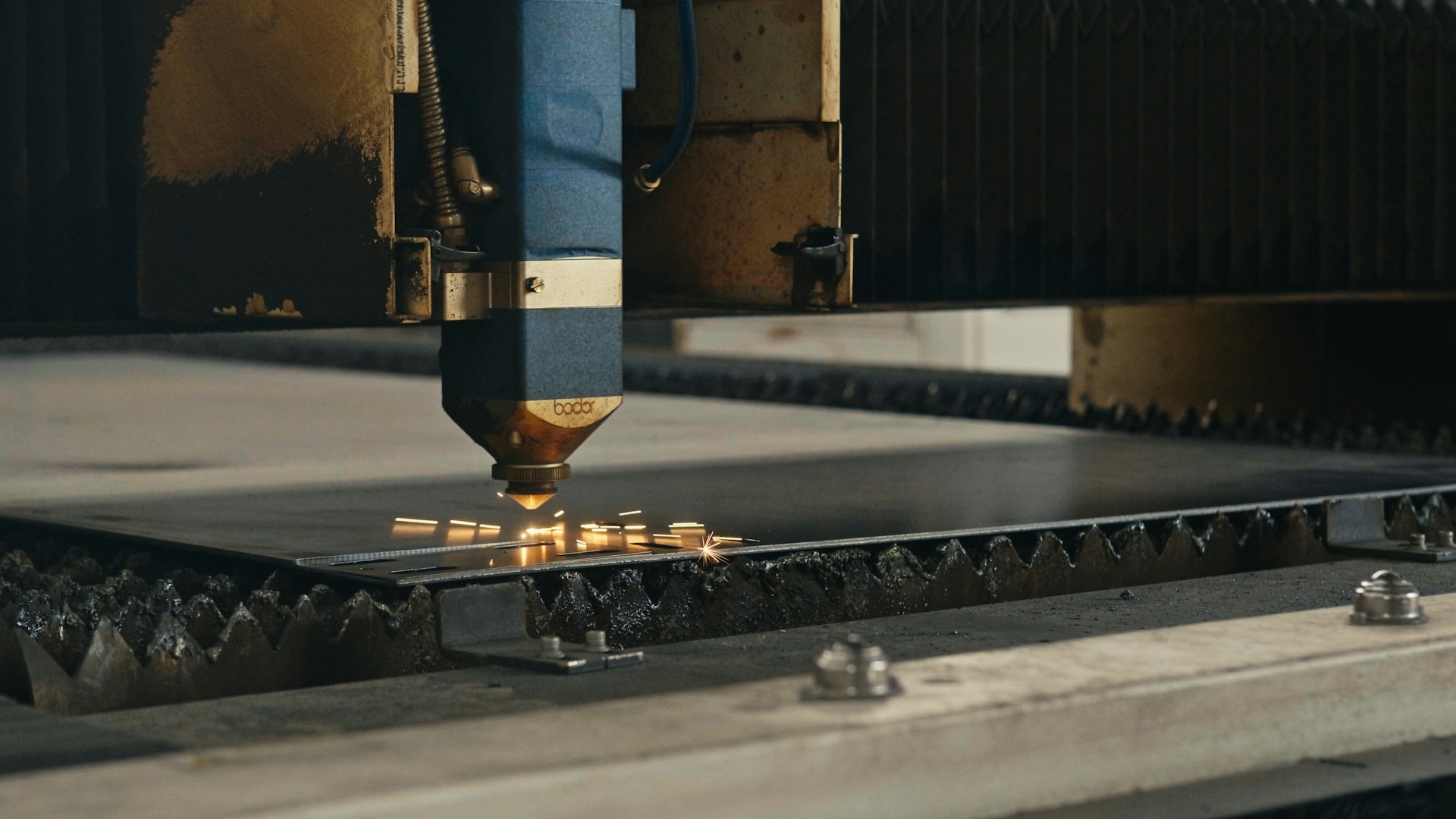
A CNC laser cutter directs a focused beam of light along a digitally programmed path, using computer-controlled positioning to guide the cutting head across the material with sub-millimetre accuracy. The machine reads a design file - usually a vector drawing - and converts it into exact movement instructions, so the same pattern can be reproduced identically on the hundredth part as on the first.

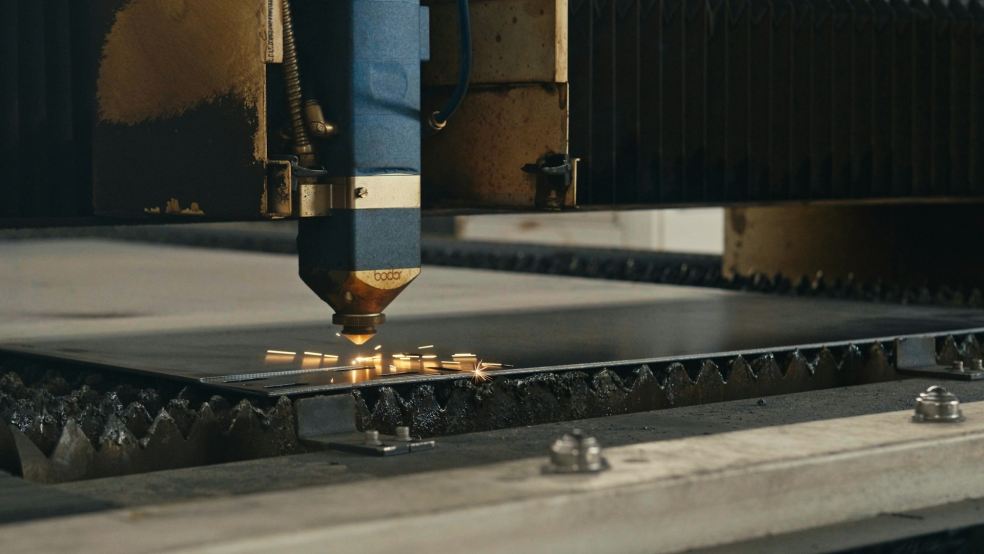
The beam works by concentrating enough energy at a single point to melt, burn, or vaporise the material it passes over, while a gas jet clears the resulting debris from the cut line. Because the process is contactless, there's no mechanical wear on a blade or bit, and the cut edge is typically clean enough to skip a separate finishing step. This combination of accuracy and repeatability is why the technology has moved from a specialist niche into everyday production use.
What Materials and Applications It's Used For
CNC laser cutting equipment is most commonly used on non-metal materials - wood, acrylic, leather, textiles, and cardboard - though certain machine types can also handle thin sheet metal. In manufacturing settings, this translates into a wide range of practical applications: cutting acrylic signage and display panels, producing packaging inserts and prototypes, engraving branded components, and fabricating gaskets or textile parts that would be slow and inconsistent to cut by hand.
The specific machine required depends heavily on the material and the required throughput. A workshop cutting light acrylic signage has very different needs from one processing thick plywood or leather in bulk, and equipment in this category ranges considerably in size, laser type, and power output as a result. A look at what Virmer currently lists in its equipment range gives a sense of how much this varies depending on the scale and type of production involved.
What to Consider Before Investing in a Machine
Four factors tend to matter most when evaluating a CNC laser cutter: working area, power output, ventilation, and total running cost. The working area - the size of the bed the machine can cut across - determines the maximum part size and how much material can be nested into a single job, which directly affects production efficiency.
Power output needs to match the material thickness a business actually works with; a machine that's underpowered for the job will cut slowly or require multiple passes, while one that's oversized adds unnecessary cost. Ventilation and extraction are equally important, since cutting many common materials produces fumes and fine particulate that require proper filtration, both for regulatory compliance and workplace safety.
Finally, total cost of ownership extends well beyond the purchase price. Consumables such as lenses and nozzles, routine maintenance, and the floor space a machine occupies all factor into the real running cost over its working life, and these figures vary substantially between machine classes and manufacturers.
Conclusion
CNC laser cutting has moved from a specialist tool to a practical, accessible option for a wide range of UK manufacturers, fabricators, and sign-makers. Getting the specification right at the outset - matching working area, power, and extraction to the materials actually being cut - is what determines whether a machine earns its cost back quickly or sits underused. Taking the time to weigh these factors before purchase saves both cost and disruption further down the line.
Gallery