





Multifunctional Interiors Are Reshaping Modern UK Living
The Evolution of How UK Homes Are Used
Modern UK homes are undergoing a quiet but significant transformation. Where rooms were once designed for single, fixed purposes, they are now expected to serve multiple roles throughout the day. A living room is no longer just a place to relax; it may also function as a workspace, a dining area, and even a space for exercise or hobbies.
This shift has been driven by changing lifestyles, especially the rise of hybrid working, smaller urban housing, and a growing preference for more efficient use of space. As a result, interiors are no longer static environments — they are dynamic systems that need to adapt constantly.
Multifunctional living has become less of a design trend and more of a practical necessity for many households across the UK.
Why Single-Purpose Rooms Are Becoming Less Practical
Traditional home layouts were built around predictable routines. Kitchens were for cooking, living rooms were for relaxation, and spare rooms were rarely used for anything beyond occasional guests.
However, modern life no longer follows such clear divisions. Remote work, flexible schedules, and compact housing mean that homes must now support overlapping activities within the same space.
This creates challenges such as:
- limited room to separate work and leisure
- increased visual clutter from multiple uses
- difficulty maintaining organisation throughout the day
- furniture that feels out of place depending on the activity
As these challenges become more common, homeowners are increasingly looking for interiors that can adapt effortlessly rather than remain fixed.
The Rise of Multifunctional Interior Design
Multifunctional interiors are designed around one core principle: flexibility. Instead of assigning a single purpose to each room, the focus is on creating spaces that can evolve depending on need.
This approach is particularly relevant in smaller UK homes, where space efficiency is essential. Every piece of furniture must earn its place by offering more than one function or adapting to different uses.
This shift has encouraged a new generation of furniture design that prioritises versatility, modularity, and ease of transformation.
How Multifunctional Furniture Supports Modern Living
Furniture plays a central role in enabling multifunctional interiors. Pieces are no longer chosen solely for appearance or a single function — they are selected based on how well they can support changing routines.
Key characteristics of multifunctional furniture include:
- adaptable configurations
- compact and space-saving design
- integrated storage solutions
- ease of movement or reorganisation
- neutral styling that fits multiple settings
These qualities allow homeowners to reconfigure their spaces quickly without needing to completely redesign a room.
In this context, storage becomes especially important. Instead of being separate from the living environment, storage systems are now integrated into the flow of daily life, helping maintain order across different activities.
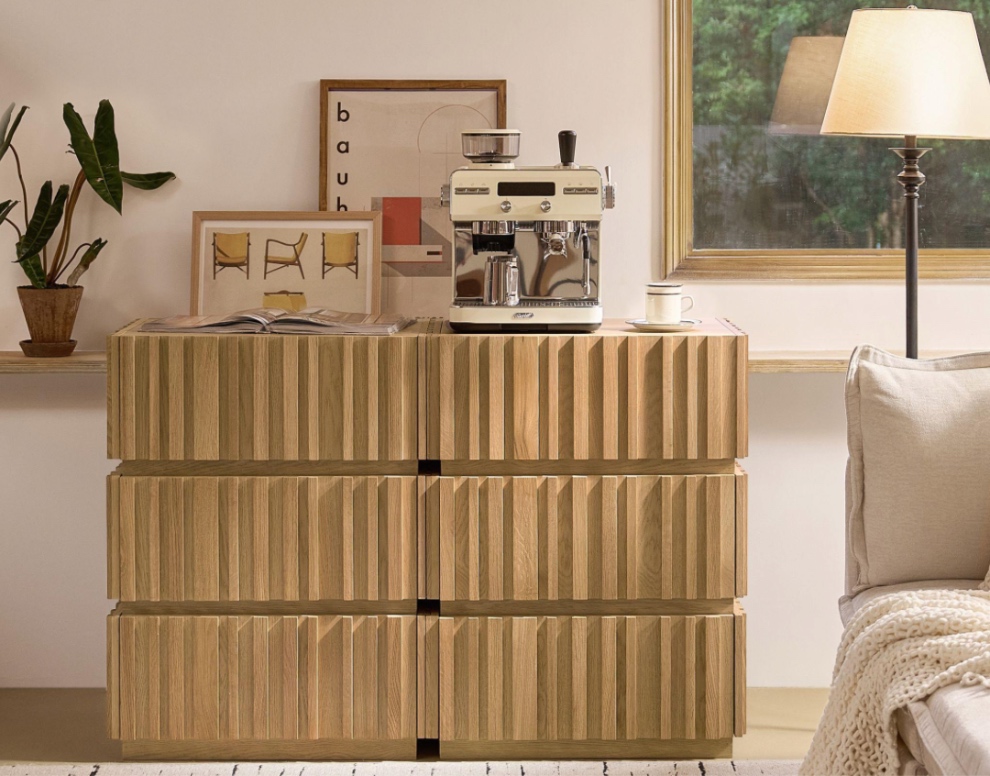
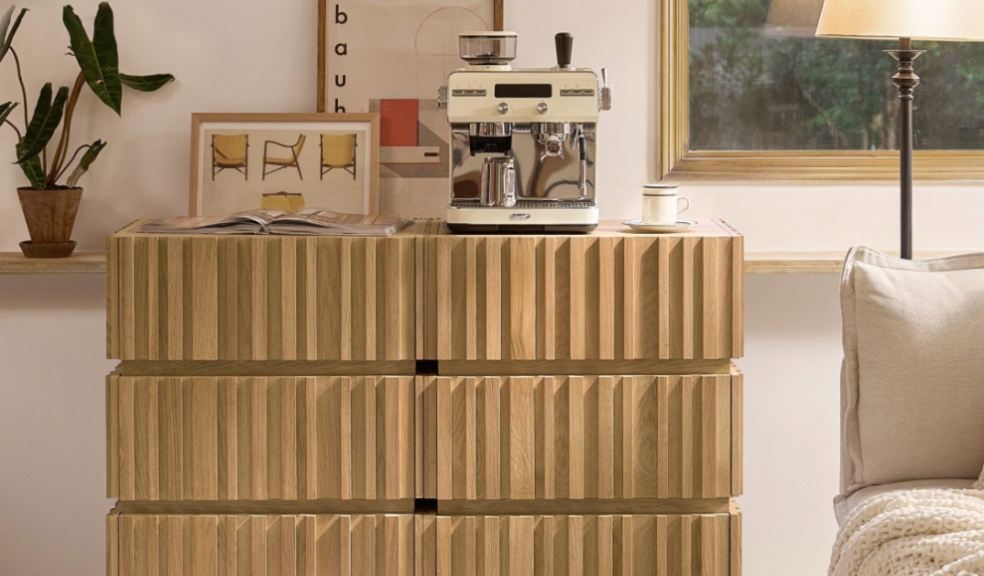
For example, adaptable systems such as Modular Storage Cabinet solutions are increasingly used in UK homes to support this flexible way of living.
The Hybrid Living Influence
One of the strongest drivers behind multifunctional interiors is hybrid living. With many people splitting their time between home and office, domestic spaces must now accommodate professional needs without losing their sense of comfort.
This has led to a blending of environments that were once kept separate. Workspaces are now integrated into bedrooms, dining areas, and living rooms, requiring furniture that can shift between professional and personal contexts.
A workspace, for instance, might need to feel focused during the day but visually softer in the evening. Multifunctional design makes this transition possible without disruption.
Creating Order in Complex Spaces
While multifunctional interiors offer flexibility, they also require a higher level of organisation. When one room serves multiple purposes, it becomes even more important to maintain structure and clarity.
Good design helps achieve this by:
- defining subtle zones within a single space
- using furniture that supports easy transitions
- reducing unnecessary visual clutter
- creating consistent storage solutions
When done well, multifunctional interiors do not feel chaotic — they feel intentional and balanced. The key lies in ensuring that flexibility does not compromise calmness.
The Emotional Value of Adaptable Spaces
Beyond practicality, multifunctional interiors also have an emotional impact. A home that adapts to its occupants reduces daily friction and supports a more relaxed lifestyle.
Instead of constantly rearranging or struggling to make a space work, people can rely on furniture that responds naturally to their needs. This creates a sense of ease and control, which is especially valuable in fast-paced modern life.
It also encourages a more mindful relationship with the home environment. When spaces are easy to adjust and maintain, they are more likely to remain organised and comfortable over time.
Design That Works With Everyday Life
Multifunctional interiors represent a broader shift in how homes are being designed in the UK. Rather than focusing on fixed aesthetics or rigid layouts, the emphasis is now on lived experience.
Homes are expected to support multiple activities without feeling overcrowded or disjointed. This requires a careful balance between functionality and design coherence.
Furniture that adapts — whether through modular construction, integrated storage, or flexible layouts — plays a central role in achieving this balance, which is why brands like Hulala Home are gaining attention for creating furniture suited to modern hybrid living.
A New Standard for Modern UK Homes
As living patterns continue to evolve, multifunctional interiors are becoming the new standard for UK homes. They reflect the realities of modern life, where space must work harder and adapt faster than ever before.
By combining flexibility, practicality, and thoughtful design, multifunctional interiors create homes that are not only more efficient but also more comfortable to live in.
In the end, this approach is reshaping the idea of what a home should be — not a static arrangement of rooms, but a living, adaptable environment that changes with the people inside it.