





Garden Design Trends Transforming UK Homes in 2026
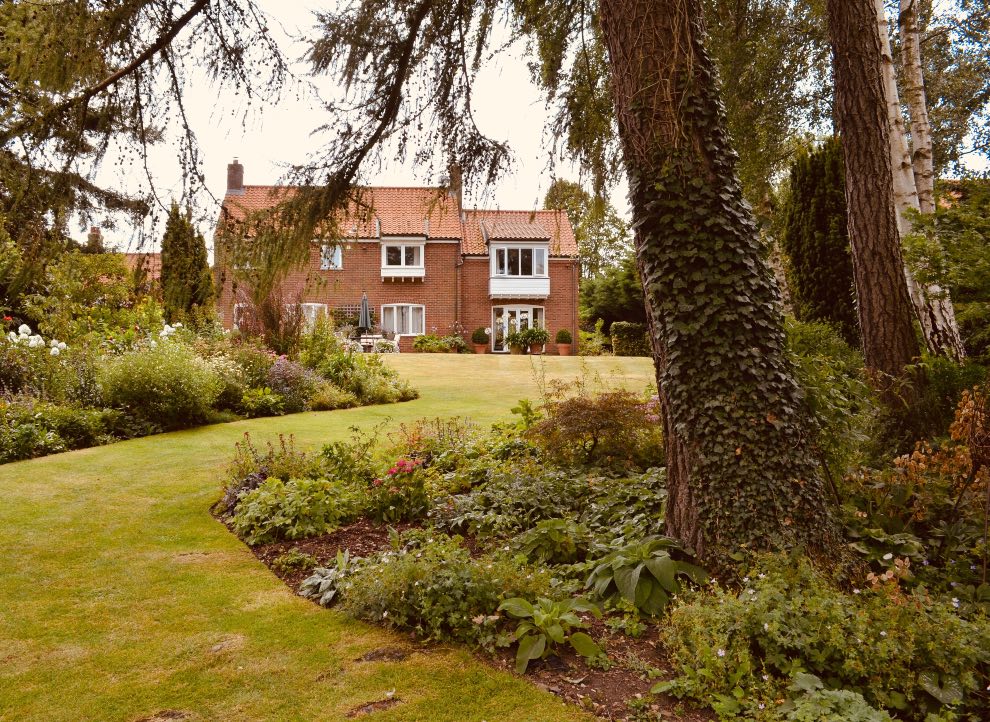
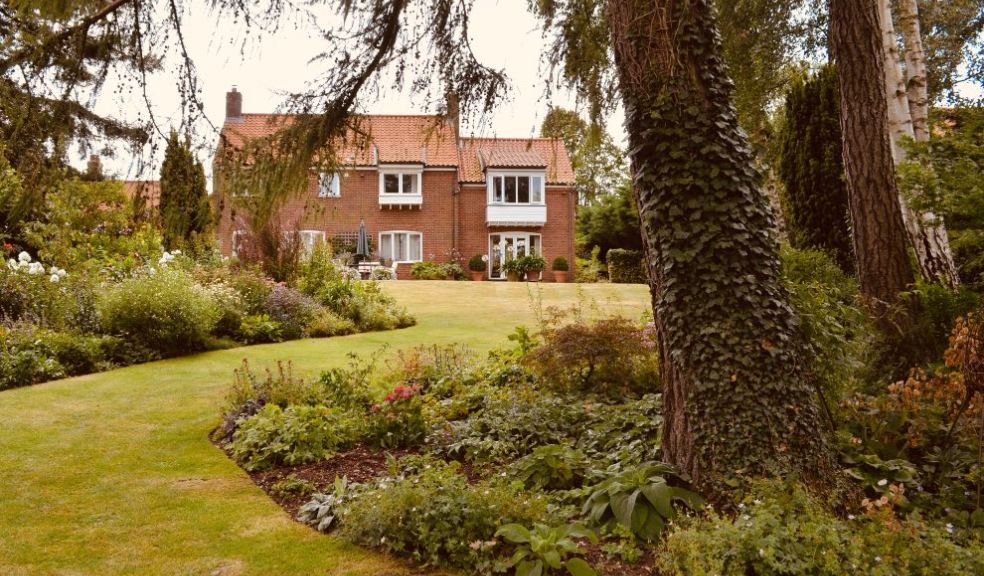
Step outside a modern British home today, and you are no longer stepping "out,” but rather stepping “in.” We are seeing a significant change in the spatial plans of British houses. The old type of backyard, of rye grass and a rusting rotary washing line, has mutated into a fully integrated part of the house’s interior and exterior architecture.
This is not merely a cosmetic upgrade. It’s a domestic takeover in the best possible way. Homeowners are reclaiming their patch of land and making it evolve and work for them.
If you’re the type that thinks in terms of circular processes and the value of making things go around, then you’ll definitely be up for this. The old ways of decorating the outdoors are done with. We are thinking in terms of systems, not of gardening anymore, it’s all about an ecosystem.
Multi-Functional Outdoor Spaces
The mono-functional lawn is an archaic luxury we can no longer afford. Today's plots are being surgically zoned into hyper-efficient micro-habitats designed to satisfy a carousel of daily rituals. It is spatial alchemy, plain and simple.
Working:
We aren't just placing a desk near a window; we are curating pure cognitive focus. This means isolating professional frequencies from domestic static, deploying acoustic dampening, and managing lux levels to eliminate screen glare.
Entertaining:
The humble patio charcoal grill has been thoroughly disrupted. In its place, we are erecting fully articulated alfresco culinary stations and weather-shielded hosting pavilions that effortlessly extend social interactions deep into the midnight hours.
Relaxing:
Stress demands active architectural remedies. Homeowners are carving out sunken, sensory sanctuaries enveloped by rustling ornamental grasses and delicate, air-purifying foliage to naturally decelerate the nervous system.
Exercise:
Forget about fitting your exercise bike in the utility room, the current trend is to create vast, white, vertical exercise pods that can withstand the punishing weight of a thousand yoga poses and the impact of a drop-heavy spin session.
By compartmentalizing these activities, we don't just expand our living footprint; we optimize it. It is a holistic approach to spatial design where lifestyle habits dictate the physical layout.
Sustainable Landscaping Is Here to Stay
Take a step back and look at the bigger picture. Concrete-heavy and resource-devouring developments are rapidly losing ground to more eco-conscious alternatives. The 2026 design philosophy promises to embrace low-carbon, high-performance timber construction.
Timber buildings are low-impact, and they take carbon out of the atmosphere, locking it away for the duration of their service life. Designers are layering this timber skeleton with rich, complex biodiversity. But we are going to make these structures perform even better. We are intentionally rewilding suburban plots with native UK flora to catalyze pathways for pollinators.
To survive erratic climate swings, we are leaning heavily on drought-resilient, deep-rooted perennials that thrive without constant irrigation. Combine these organic elements with recycled, circular, economy-friendly hard landscaping to make truly sustainable developments.
Modern Garden Rooms Lead the Way
Where does this architectural ambition find its ultimate expression? Look to the horizon. It is dominated by high-spec, contemporary Garden rooms. Forget the drafty, single-skin sheds of the past; these new structures are highly sophisticated, architectural statements.
They command attention with their minimalist Scandinavian geometries, hidden timber joinery, and expansive, floor-to-ceiling glass envelopes. The magic, however, is woven into their internal fluid dynamics. These spaces are layout-chameleons. They might host a board meeting at 9 AM, transform into an art studio by 3 PM, and morph into a quiet sanctuary by dusk.
By creating a clear but seamless transition, they dissolve the line between timber and turf, instantly amplifying the perceived scale of the overall square footage. For the value-driven homeowner, this acts as a powerful addition to property value, turning underutilized soil into premium land value.
Outdoor Comfort Is Becoming a Priority
You cannot claim a space is "all-season" if you abandon it the moment the October frost bites. To secure genuine, 365-day utility, we must apply the rigorous mechanical and thermal logic:
Lighting:
We are banishing cold, aggressive floodlights in favor of warm, low-glare, micro-zoned LED systems that paint the garden's architectural focal points in dramatic relief at dusk.
Heating:
Think flush-mounted, short-wave infrared emitters that warm bodies rather than the air, paired with clean-burning bioethanol fire tables to anchor social hubs.
Privacy:
Rather than erecting hostile, imposing fences, designers are weaving living green walls, vertical timber lattices, and mature pleached hedging to block out intrusive neighboring sightlines.
Smart Storage:
We are integrating invisible, weather-proof cargo bays directly into our seating plinths and retaining walls, keeping the visual plane entirely uncluttered.
Landscaping Integration:
Instead of plopping a box onto the turf, we are running timber decking, native stone paths, and structural beds right up to the threshold, physically tethering the architecture to the landscape.
Investing in Quality Instead of Short-Term Solutions
The era of flat-pack garden hardware is a thing of the past. Cheap timber is not a viable option; it warps, splits, rots, and ultimately weathers and ends up in the local tip. Today's conscious consumer expects long-life products.
If you are committing to a permanent backyard retreat, whether that manifests as heavy-log Log cabins or an airy, sun-drenched Summer house, you must interrogate the raw material. This is where Palmako dominates the arena. By harvesting slow-grown Nordic spruce from cold-climate, sustainably managed forests, they source timber with exceptionally tight growth rings.
This natural density gives the wood outstanding dimensional stability, superior insulation, properties, and protection from the elements. Combined with precise Scandinavian joinery, the timber becomes a long-lasting, low-maintenance structural material that actively resists the passage of time.
Conclusion
The most inspired garden designs of 2026 fuse raw aesthetics and ecological utility. They are combining the best of both worlds with top-performing materials, visionary designs and uncompromising architectural vision.
We do more than just dress up your backyard. We forge resilient, year-round sanctuaries that enrich our daily lives, protect our planet's resources, and stand unyielding against the passage of time. This is the future.