





Practical Home Design Trends UK Families Are Loving This Year
A family home handles muddy shoes, busy mornings, homework sessions, and quiet evenings without feeling cluttered or uncomfortable. That's why many UK families are moving away from short-lived design fads and focusing on practical improvements that make everyday life easier.
This year's biggest home design trends aren't about chasing luxury. They're about creating spaces that feel welcoming, function well throughout the year, and adapt to changing family needs. From flexible layouts to smarter heating choices, these ideas help homeowners create comfortable spaces that stand the test of time.
Flexible Spaces That Grow With Your Family
Modern family life rarely fits neatly into one routine. A dining table might double as a homework station during the week and become the centrepiece for family meals at the weekend. Spare bedrooms often serve as guest rooms, home offices, or playrooms depending on what's needed.
Rather than assigning a single purpose to every room, many families now choose furniture and layouts that can adapt over time. Fold-away desks, storage benches, extendable tables, and modular shelving can help maximise available space without making rooms feel crowded.
Keeping layouts adaptable also means you won't need to redesign your home every time your family's needs change.
Heating That Fits Modern Living
Comfort plays a major role in how enjoyable a home feels, particularly during the colder months. Instead of relying solely on traditional heating systems, many homeowners are choosing options that provide greater flexibility from room to room.
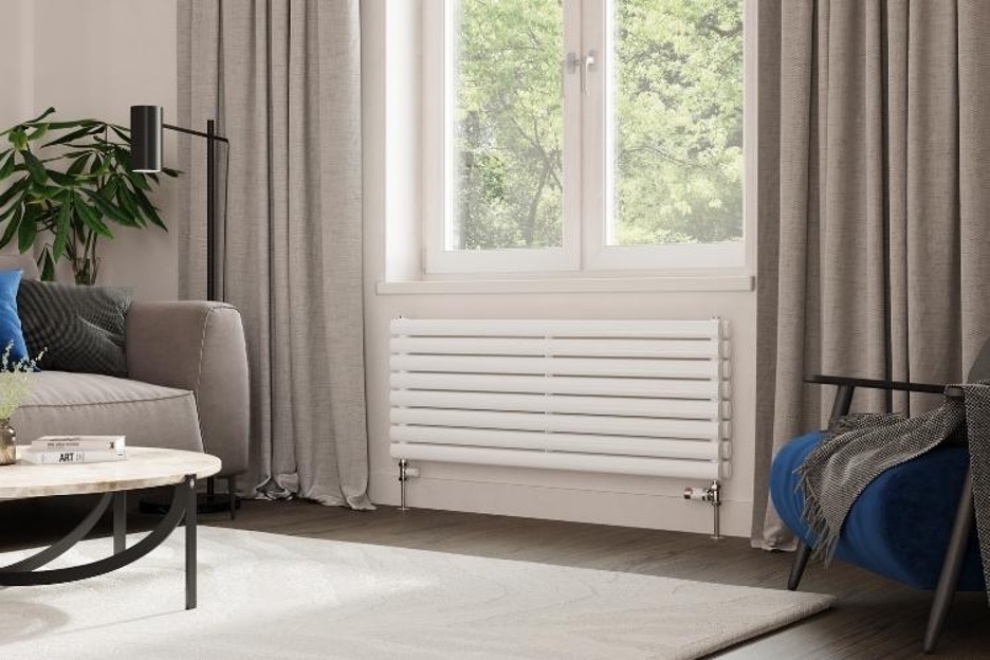
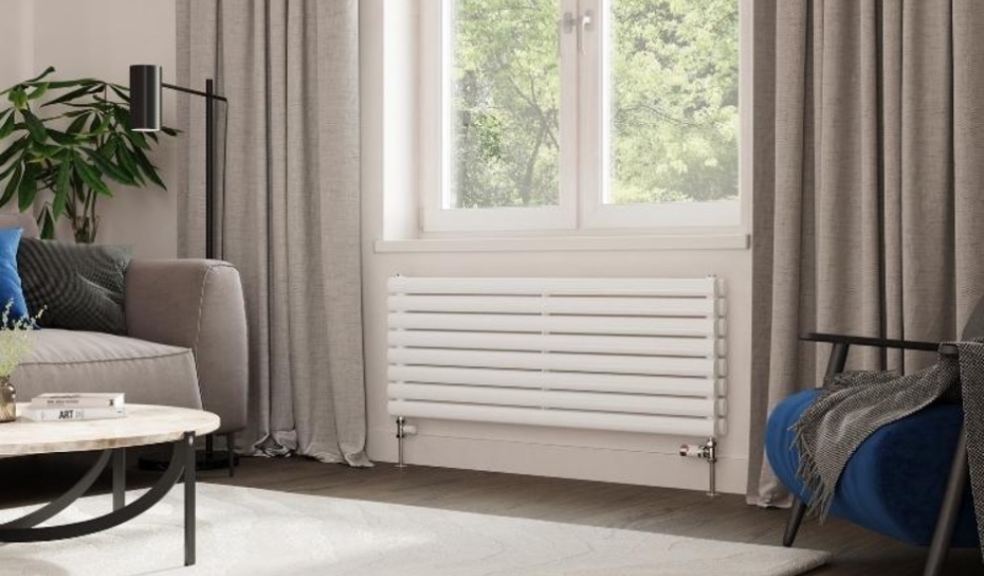
Modern electric radiators have become an attractive solution for families updating individual spaces or renovating older homes. They can work well in home offices, loft conversions, garden rooms, or extensions where adding new pipework may not be practical.
When comparing heating options, consult specialist suppliers such as UK Radiators to see the range of styles and finishes now available. Their collection at ukradiators.com shows how modern electric radiators can complement both contemporary and traditional interiors while helping homeowners match heating solutions to the use of each room.
The key is to select heating that supports your lifestyle rather than treating every room the same way.
Hidden Storage
One of the biggest challenges in family homes is keeping everyday items organised without constantly tidying. Clever storage has become a design feature rather than something hidden away.
Built-in cupboards make use of awkward alcoves. Window seats provide extra storage while creating cosy reading corners. Ottoman beds and coffee tables with hidden compartments offer practical solutions without taking up additional floor space.
Even hallways can become more functional with simple additions such as wall hooks, shoe cabinets, and slim storage units that prevent clutter from building up near the front door.
When storage blends naturally into the design of the room, it's much easier to keep family spaces tidy without feeling overly minimalist.
Choosing Materials That Can Handle Everyday Life
Beautiful interiors don't have to be delicate. Parents increasingly look for finishes that withstand spills, pets, and daily wear while still looking stylish. Washable paint allows walls to stay fresh despite fingerprints and scuffs. Hard flooring in high-traffic areas simplifies cleaning, while large rugs can still add warmth and comfort where needed.
In kitchens, durable worktops and cabinet finishes often prove more practical than highly polished surfaces that show every mark. Sofas with removable covers or performance fabrics also make everyday maintenance much less stressful.
These choices allow families to enjoy their homes instead of constantly worrying about keeping everything perfect.
Bringing Nature Indoors
Natural materials continue to influence home design because they help create calm, welcoming spaces without requiring dramatic renovations.
Wood furniture, woven baskets, linen fabrics, stone accessories, and indoor plants add texture and warmth throughout the home. Large windows that maximise natural light can make rooms feel brighter, while mirrors help reflect daylight into darker corners.
Simple colour palettes inspired by nature also remain popular. Soft greens, warm neutrals, muted blues, and earthy tones create relaxed environments that suit family living and work well across different decorating styles.
Rather than filling rooms with decorative items, many homeowners focus on a few carefully chosen pieces that bring character without creating visual clutter.
Investing in Improvements That Last
Many home trends come and go, but practical upgrades continue to deliver value long after decorating styles change.
Improving storage, upgrading heating, selecting durable materials, and creating flexible layouts can contribute to a home that functions better every day. These improvements often reduce frustration while making spaces more enjoyable for everyone in the household.
Before starting your next project, think about how each decision will support your family's routine over the coming years. Choosing solutions based on comfort, functionality, and long-term usability usually delivers better results than following short-lived design trends.
Final Thoughts
The best family homes aren't necessarily the most expensive or the most fashionable. They're the ones that make everyday life simpler, more comfortable, and easier to manage.
This year's practical home design trends reflect that mindset. Flexible rooms, thoughtful storage, durable materials, natural finishes, and smart heating choices can help create spaces that work just as well on busy weekdays as on relaxing weekends. You can create homes that remain comfortable, functional, and welcoming for years to come by focusing on improvements that support daily life.
[Image from UK Radiators]