






How Seasonal Weather in Devon Affects Your Skin Year Round
Residents of Devon are accustomed to dramatic shifts in weather across the calendar year. From brisk coastal winds in January to humid summer afternoons along the English Riviera, the county’s climate is rarely static. While these seasonal changes shape daily routines and tourism patterns, they also exert a measurable impact on skin health. Dermatologists and skincare specialists across the South West increasingly report that fluctuating temperatures, wind exposure and UV levels contribute to a cycle of dryness, sensitivity and oil imbalance that evolves month by month.
The county’s unique geography intensifies this effect. With miles of exposed coastline, moorland terrain and urban centres such as Exeter and Plymouth, Devon experiences a combination of maritime air, variable rainfall and intermittent sunshine. Each environmental factor influences the skin barrier, the outermost protective layer responsible for retaining moisture and defending against pollutants. When that barrier becomes compromised, common complaints include redness, tightness, excess oil production and increased sensitivity.
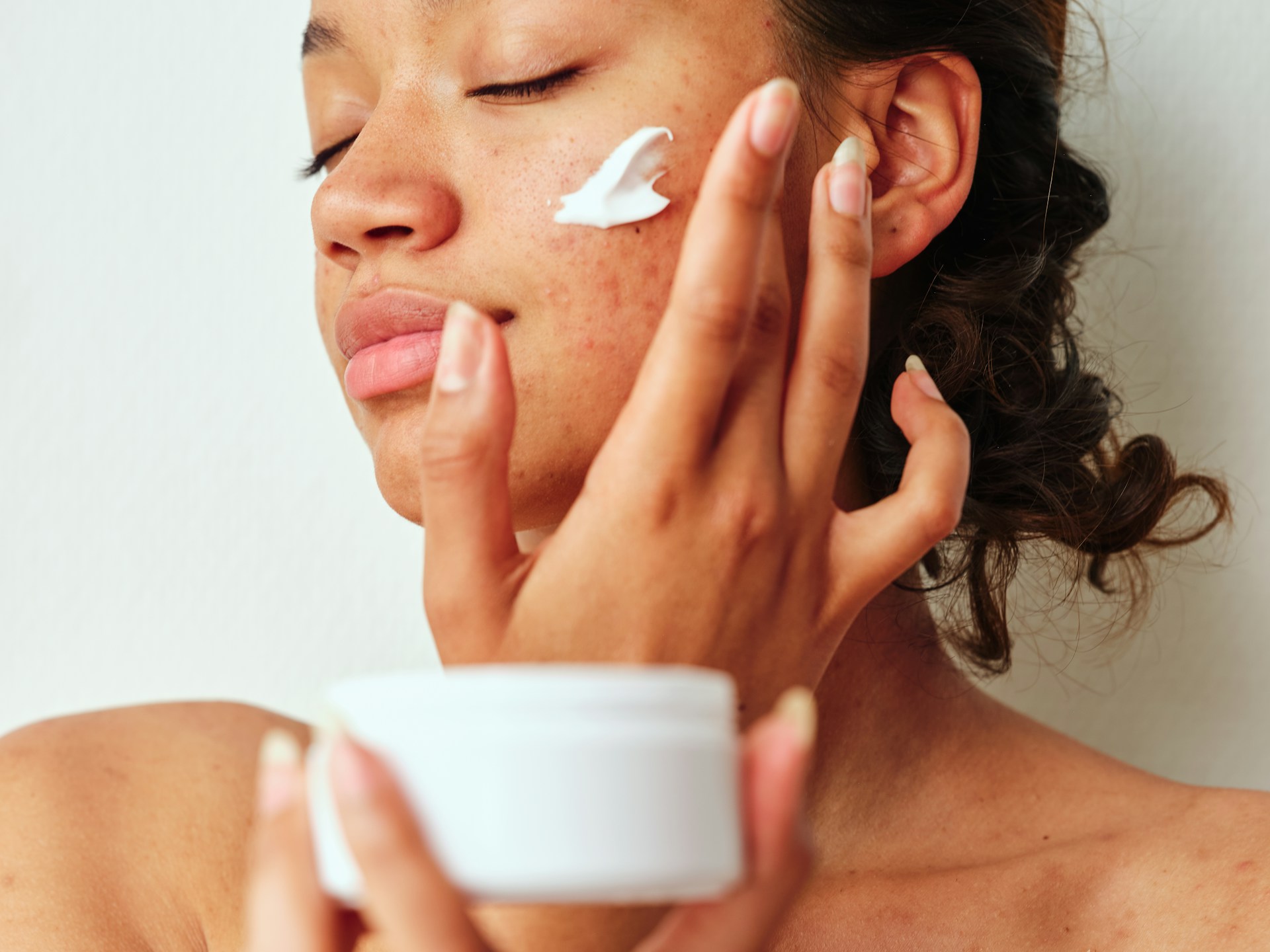
As consumer awareness grows, local pharmacies and beauty retailers report rising demand for lightweight moisturisers in spring and summer, with shoppers frequently opting for gel-based formulas such as kiehl's facial oil-free gel cream to counterbalance humidity without overloading the skin. At the same time, richer emollient creams see stronger sales during colder months, when wind chill and indoor heating strip moisture from the epidermis. The cyclical nature of these purchases reflects the broader reality that skincare in Devon cannot remain static throughout the year.
Winter Winds and Moisture Loss
Winter in Devon rarely brings prolonged snowfall, but it does deliver cold air combined with high winds, particularly along coastal areas such as Torbay and North Devon. Cold air contains less humidity than warm air, reducing the moisture available to maintain skin hydration. When residents move between outdoor chill and centrally heated interiors, rapid temperature shifts further weaken the skin barrier.
Clinical observations suggest that transepidermal water loss increases in colder conditions. The result is often dryness, flaking and exacerbation of conditions such as eczema or rosacea. Lips and hands are particularly vulnerable, as they are frequently exposed. Dermatologists typically advise the use of barrier-supporting ingredients such as ceramides and glycerin during this period. Heavier creams, while sometimes avoided during warmer months, play an important protective role in winter.
Spring Sensitivity and Pollen Exposure
As temperatures begin to rise, Devon’s countryside bursts into bloom. While this seasonal transition brings longer daylight hours and improved mood for many, it also introduces airborne allergens. Pollen levels can contribute to inflammatory skin responses, particularly in individuals with sensitive or reactive skin types.
The combination of mild warmth and lingering wind may lead to intermittent dryness, while fluctuating humidity can trigger inconsistent oil production. Skincare professionals note that spring often requires a recalibration of routines rather than a complete overhaul. Gentle exfoliation becomes important to remove accumulated winter dryness, yet over-exfoliation risks aggravating already sensitive skin.
UV levels also begin to climb during spring, even when temperatures remain moderate. Public health campaigns continue to emphasise daily SPF use, as ultraviolet exposure accelerates premature ageing and increases the risk of skin cancer. Devon’s outdoor lifestyle, from coastal walks to countryside cycling, makes consistent sun protection essential even outside peak summer months.
Summer Sun and Coastal Exposure
Summer represents both opportunity and challenge for skin health in Devon. The county’s beaches attract visitors from across the UK, and residents spend extended periods outdoors. Prolonged UV exposure remains the primary dermatological concern. According to NHS guidance, even intermittent sunburn contributes to cumulative skin damage.
Saltwater and sand introduce additional stressors. While sea swimming has recognised wellbeing benefits, salt can dehydrate the skin’s surface, particularly if not rinsed promptly. Sand, meanwhile, acts as a natural exfoliant, which may benefit some skin types but irritate others.
Humidity also rises during warmer weeks, particularly in sheltered inland areas. Increased perspiration can lead to congestion and breakouts, especially among those prone to acne. Lightweight, non-comedogenic formulations gain popularity during this season. Cleansing routines often shift towards gel cleansers that remove sweat and sunscreen residue without disrupting the skin barrier.
Autumn Transition and Barrier Repair
Autumn in Devon brings cooler evenings, increased rainfall and declining daylight hours. The gradual drop in temperature signals another adjustment period for the skin. After months of UV exposure, many individuals experience pigmentation concerns or lingering dryness.
This season presents an opportunity for barrier repair. Dermatologists frequently recommend introducing antioxidant serums to address sun-related oxidative stress while reintroducing richer moisturisers as humidity declines. The aim is to strengthen the skin before winter returns.
Rainfall and damp air may reduce some dryness, yet wind remains a factor, particularly along exposed coastal stretches. The skin’s resilience during autumn often determines how well it withstands winter conditions. Preventative care during this period can mitigate more severe dryness later in the year.
The Impact of Indoor Environments
While outdoor weather receives significant attention, indoor environments also influence skin condition. During colder months, heating systems reduce indoor humidity, creating a dry atmosphere that accelerates moisture loss. Conversely, in summer, air conditioning units can similarly strip moisture from the air.
Devon’s mix of historic properties and modern housing introduces variability in insulation and ventilation. Older buildings may retain dampness, contributing to mould exposure that can aggravate sensitive skin. Modern, energy-efficient homes may trap dry heated air during winter.
Humidifiers, adequate ventilation and balanced skincare routines play a role in counteracting these effects. The interaction between external climate and indoor conditions underscores the importance of adaptive skincare strategies.
A Year-Round Strategy
Experts emphasise that consistency in core principles remains more important than chasing seasonal trends. Daily sun protection, gentle cleansing and barrier support form the foundation of effective skincare in Devon’s variable climate. Adjustments in texture and formulation can then respond to shifting environmental conditions.
Local practitioners report that education is key. Many residents assume that cloud cover reduces UV risk, yet ultraviolet radiation penetrates clouds. Similarly, the mildness of Devon winters compared with northern regions does not eliminate the impact of wind and temperature fluctuations.
Retail data from South West beauty outlets suggests that consumers are increasingly informed about ingredients. Terms such as hyaluronic acid, niacinamide and ceramides are widely recognised. This literacy reflects broader national trends towards ingredient-led purchasing decisions.