





Transition from Hospital to Home Care: Why a Private Nurse is Important
Leaving hospital after surgery or a medical procedure is often a moment of relief—but it can also bring uncertainty. While hospitals provide structured, round-the-clock care, returning home means taking on more responsibility for recovery. In the UK, where healthcare systems like the NHS provide excellent acute treatment, the transition from hospital to home can still feel like a significant adjustment.
This is where the support of a private nurse can make a meaningful difference. By bridging the gap between hospital care and independent living, private nursing ensures patients receive consistent, personalised attention during a critical stage of recovery.
The Challenges of Transitioning Home
The period immediately after discharge is often when patients are most vulnerable. Although they may be medically stable, many still require assistance with medication management, mobility, wound care, or monitoring for complications.
In the UK, community healthcare services are available, but they are often stretched. District nurses and community teams do vital work, yet their time is limited, and visits may be brief or infrequent. For patients with more complex needs—or those who simply want additional reassurance—this can create gaps in care.
Adjusting to a home environment can also be emotionally challenging. Patients may feel anxious about managing their recovery alone or worry about recognising early warning signs of complications. Having professional support at home can ease these concerns significantly.
What Does a Private Nurse Provide?
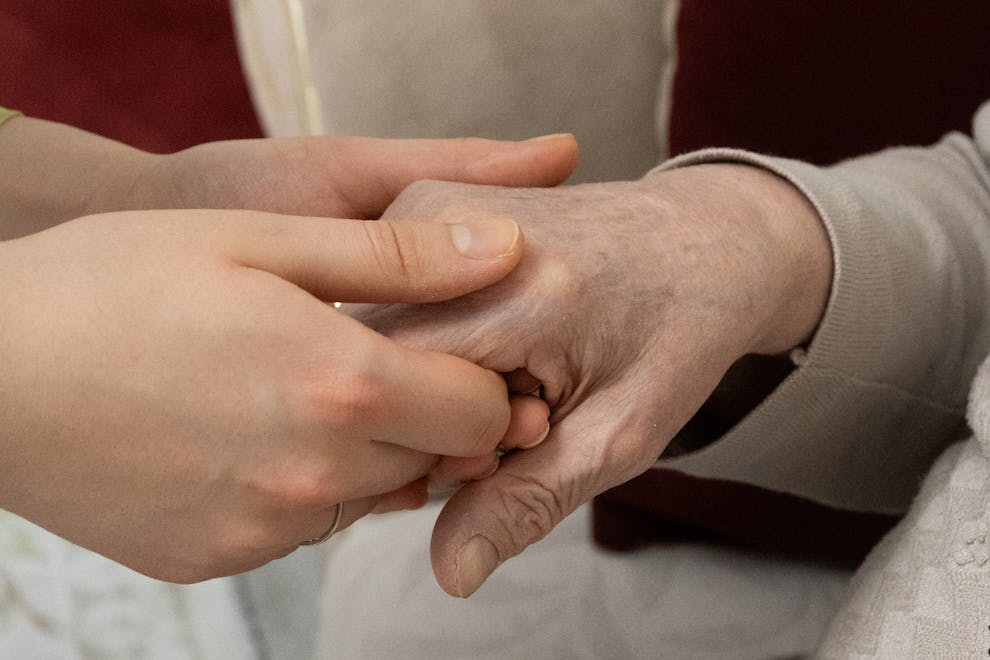
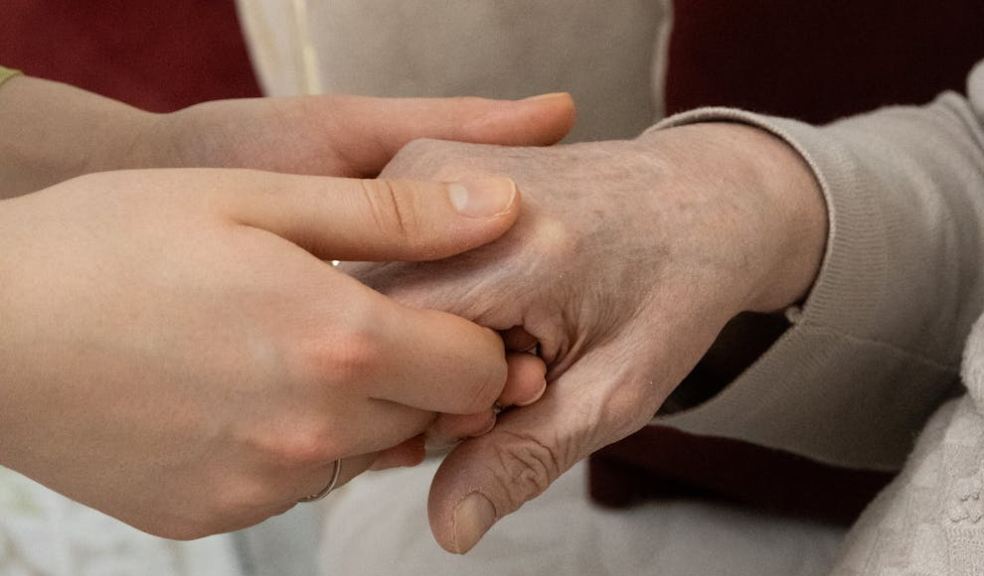
A private nurse offers tailored, one-to-one care that adapts to the individual’s needs. Unlike standard care schedules, private nursing is flexible and can be arranged for a few hours a day, overnight support, or even 24-hour care if required.
Key areas of support often include:
- Medication management: Ensuring prescriptions are taken correctly and on time
- Wound care: Monitoring healing and reducing the risk of infection
- Mobility assistance: Helping patients move safely and regain strength
- Health monitoring: Keeping track of vital signs and recognising early concerns
- Personal care: Assisting with daily activities such as washing and dressing
This level of attention not only supports physical recovery but also provides peace of mind for both patients and their families.
Reducing the Risk of Readmission
One of the biggest concerns after hospital discharge is the risk of complications that could lead to readmission. Issues such as infections, medication errors, or falls can quickly escalate if not addressed early.
A private nurse is trained to spot subtle changes in a patient’s condition. Early intervention can prevent minor concerns from becoming serious problems. This proactive approach is particularly valuable for older adults or those recovering from major surgery.
By maintaining continuity of care, private nursing helps ensure that recovery progresses smoothly and safely.
Personalised Care in a Familiar Environment
Recovering at home offers clear emotional and psychological benefits. Being in a familiar space, surrounded by personal belongings and loved ones, can improve mood and promote a sense of comfort.
A private nurse enhances this experience by delivering professional care without disrupting the home environment. Care plans are customised to suit the patient’s routine, preferences, and recovery goals. This personalised approach often leads to better outcomes compared to more standardised care models.
For families, it also reduces the pressure of caregiving. While loved ones play an important role in recovery, having a qualified professional involved ensures that medical needs are handled with confidence and expertise.
Supporting Independence and Confidence
Recovery is not just about healing—it’s also about regaining independence. A private nurse can support patients in gradually rebuilding their strength and confidence.
Rather than doing everything for the patient, a good nurse encourages safe participation in daily activities. This might include guided movement, light exercises, or helping the patient relearn routines after surgery or illness.
This balance between support and independence is essential. It empowers patients to take an active role in their recovery while still having a safety net in place.
Why Private Nursing is Especially Valuable in London
In a busy city like London, healthcare demands are high, and services can sometimes feel overstretched. Travel times, waiting lists, and limited appointment availability can add extra challenges during recovery.
Opting for a private nurse in London service allows patients to receive prompt, consistent care without the constraints often associated with public services. It also offers flexibility, which is particularly useful for those with demanding schedules or specific recovery requirements.
Additionally, private nurses in London are often highly experienced, with backgrounds in specialist hospital settings. This level of expertise can be invaluable for patients with complex medical needs.
Peace of Mind for Patients and Families
Perhaps one of the most important benefits of hiring a private nurse is the reassurance it provides. Knowing that a trained professional is overseeing recovery can significantly reduce stress and anxiety.
For families who may not have medical training, this support is especially valuable. It allows them to focus on emotional support rather than worrying about clinical responsibilities.
Patients, too, often feel more secure knowing that help is readily available. This sense of safety can positively influence both mental well-being and physical recovery.
Final Thoughts
The transition from hospital to home is a critical phase in any recovery journey. While the UK’s healthcare system provides a strong foundation, additional support can make a substantial difference in outcomes and overall experience.
A private nurse offers personalised, attentive care that bridges the gap between hospital treatment and independent living. From reducing the risk of complications to supporting emotional well-being, their role is both practical and deeply reassuring.
For those navigating recovery, investing in professional care at home is not just about convenience—it’s about ensuring the safest, most comfortable path back to health.