





Law change is failing to ease stray cat crisis, Devon charity warns
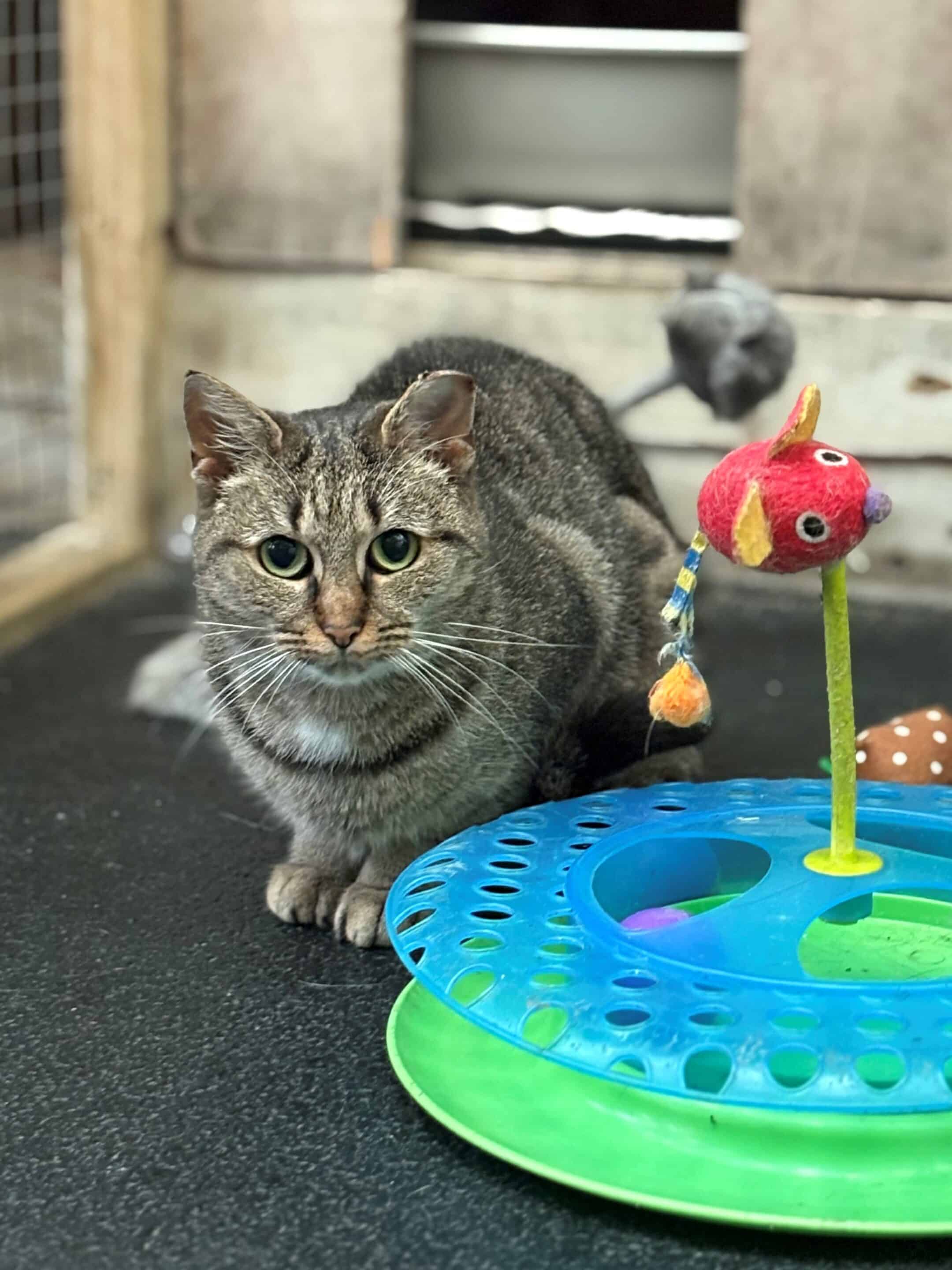
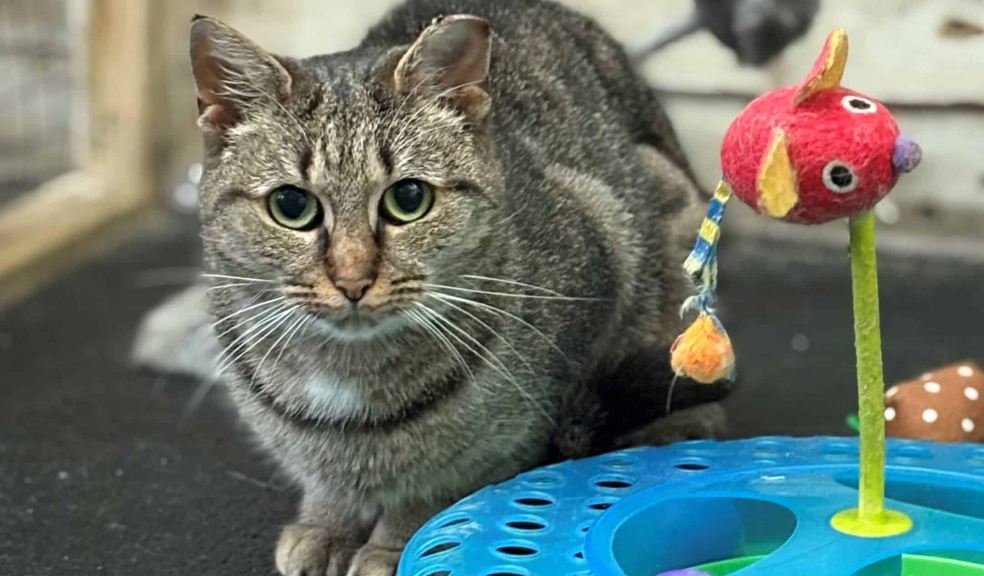
New legislation making it compulsory for all pet cats to be microchipped is failing to impact on Plymouth’s stray cat population, a charity has warned.
Around half of the stray cats rescued by Woodside Animal Welfare Sanctuary have an out-of-date microchip which prevents potential owners being traced.
The other half do not have a microchip at all, despite legislation brought in last summer making it a legal requirement for all pet cats in England to be microchipped before the age of 20 weeks.
The charity, at Elfordleigh on the edge of Plympton, is now urging cat and dog owners to get their pets microchipped and keep their contact details up to date.
Woodside Senior Manager Debbie Haynes said: “Despite the changes and legislation it has not made a difference to the number of stray cats we’re seeing.
“We thought it would get better if people were microchipping their pets but, quite often, they’re not.”
Every week at least one or two stray cats, on average, are brought to the charity at Elfordleigh on the edge of Plympton.
In the last two months alone, Woodside has taken in close to 20 stray cats and kittens, with many more on the waiting list. Mocca and Kenco, Twizzy, Spike and Derry are among those currently searching for a home.
“Even though the legislation recently changed, there is still a reliance on people keeping the microchip details up to date,” Woodside manager Dawn Cornish said. “In our experience, that often doesn’t happen.”
After seven days, if an owner cannot be traced, a stray cat will usually be put up for adoption by the charity, which has so already rehomed around 350 cats and kittens this year.
However, finding a loving home for a stray cat is often more difficult due to the limited background information the charity can pass onto potential adopters.
Without a medical history, Woodside also has to restart any vaccination programmes, at a significant cost.
“Something as simple as a microchip can prevent someone losing their cat,” Dawn said.
“It’s really frustrating when a cat comes into us in good condition and they’ve clearly been loved but we’re able to reunite them with their owners because they’re not chipped, or the information is out of date.”
All cats and dogs rehomed by Woodside are microchipped. The charity is now urging all pet owners to do the same - and keep their contact details up to date.
When owners have done this, the charity has been able to reunite cats with their owners, even after several years.
“We had a cat who we were able to reunite with its owner after five years,” Debbie said. “They were so shocked and so delighted.”
The winter is traditionally a quieter time for Woodside. However, with more than 80 animals onsite and dozens more on the waiting list, the pressure on Woodside remains relentless.
“We are still extremely busy,” Dawn said. “Typically, we would be starting to move into a quieter period over the next month or so but that’s not happening.
“For the last few years, October, November and December have still been busy. In the past, we would not need our outside cattery in the winter months as the number of cats has reduced but that’s not the case anymore.
“Kitten season is more prolonged, which is linked to warmer temperatures. We are now seeing little kittens at Christmas.
“It makes the winter months hard and it’s a worry.”
Insulated bed boxes and heated pads are used in the outside catteries to keep the cats warm.
“In the colder months these will be used throughout the day and night, which takes time,” Dawn said. “We always used to do our repairs over the winter but the window for doing this is getting narrower.”
To find out more about cats needing a home, please visit www.woodsidesanctuary.org.uk/adopt-a-cat/