







The Secret to Better Sleep: A Natural Guide to Biophilic Design Principles
Ever wondered why you sleep so much better after a day outdoors? Spending time around nature can slash your stress levels, boost your immune system, and even help lower your blood pressure.
But here's the thing – with approximately 84.64% of the UK population now living in urban areas, you're likely missing out on these natural benefits.
That's where biophilic design comes into play.
Biophilic design brings the outdoors into your living spaces. The idea is simple: adding natural elements indoors supports both your mind and body. Think about it – the gentle morning sunlight streaming through your windows and the fresh presence of greenery in your bedroom can reduce stress, lift your mood and improve your physical health. Studies on forest bathing have found something remarkable: people can gain up to an extra hour of sleep after spending mindful time outdoors.
Your bedroom should be your own personal sanctuary. A space where you can escape from the outside world and rest properly.
So why not discover how to bring nature's sleep-boosting benefits right into your bedroom? Whether you want to maximise natural light, choose the perfect plants, or select materials that help you drift off easier, you'll learn practical ways to create a sleep space that works with your body's natural rhythms.
What is biophilic design and why it matters for sleep
Human beings evolved in natural environments for more than 99% of our history—not in the concrete jungles many of us call home today. This evolutionary history explains why bringing nature indoors can dramatically improve how you sleep.
Biophilic design meaning and origins
Biophilic design connects you with the natural environment through direct nature, indirect nature, and natural space conditions. The term 'biophilia' was first introduced in 1973 by psychoanalyst Erich Fromm, who defined it as the "passionate love of life and of all that is alive". Later, biologist Edward O. Wilson expanded this concept, suggesting that humans possess an "innate tendency to focus on life and lifelike processes".
We've become biologically encoded to associate with natural features and processes. Your body instinctively responds to these elements because they're hardwired into your DNA.
Key elements include:
- Natural light as a foundation element
- Open-plan flooring that allows light to flow freely
- Large windows that blend indoor and outdoor spaces
- Integration of natural materials and patterns
How nature affects sleep and wellbeing
Here's something remarkable: people who have contact with surrounding greenness are 92% more likely to sleep well. Research on forest ecosystems shows a statistically significant decrease in blood pressure and reduced anxiety after participants slept in a forest environment compared to indoor settings.
Natural environments impact your sleep through multiple pathways. Greater access to green landscapes increases physical activity levels, which directly correlates to better sleep patterns. Exposure to nature also reduces stress and anxiety—two major culprits behind sleep disturbances.
The positive associations between natural environment exposure and fewer days of insufficient sleep align perfectly with studies showing nature's restorative effect on stress reduction.
The science behind nature and circadian rhythms
Electric light—whilst one of humanity's most important inventions—has significantly disrupted our natural sleep-wake cycles. Modern electrical lighting reduces our exposure to sunlight during the day whilst increasing light exposure after sunset, resulting in a delayed timing of our circadian clock.
When people are exposed to only natural light, their internal circadian clock synchronises to solar time. The beginning of the internal biological night occurs at sunset, and the end occurs before wake time just after sunrise. This synchronisation makes it easier to fall asleep at night and wake refreshed in the morning.
Light functions as the primary zeitgeber (time giver) for resetting biological rhythms. Studies show infants exposed to more natural light during daytime sleep better at night, whilst elderly individuals experience more sleep disorders due to limited daytime light exposure. Research indicates that after exposure to natural light, the timing of melatonin onset occurs earlier, promoting earlier bedtimes.
Biophilic design principles work directly with these biological mechanisms. Natural light patterns, plant life, and natural materials create environments that support rather than disrupt your body's inherent rhythms. This alignment between your living space and biological needs creates the foundation for consistently better sleep quality and duration.
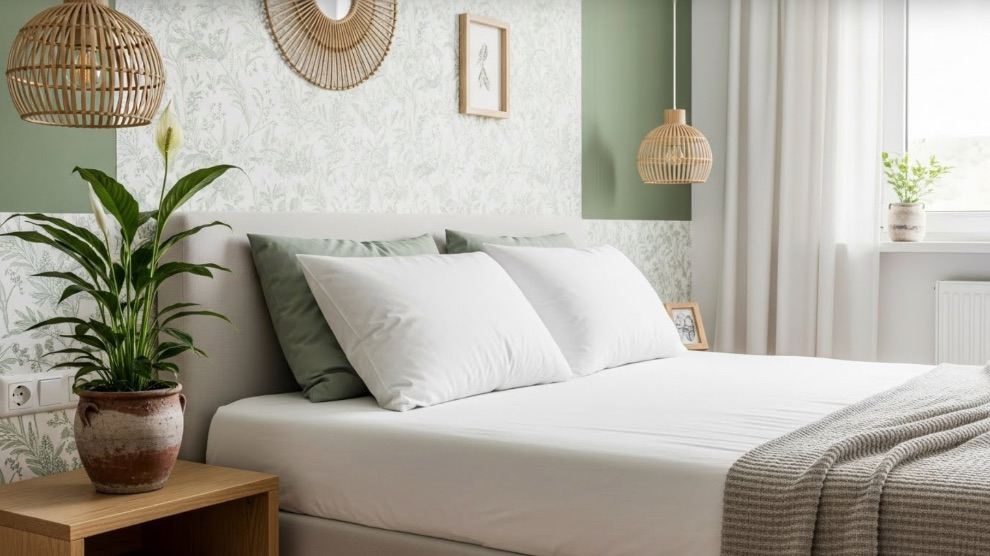
Image source: Bedstar
Let the outside world into your sleep space
Light, air, and views work together to create the perfect foundation for better sleep. These three elements don't just make your bedroom look beautiful—they actually help your body rest more deeply.
How to maximise natural light for better sleep
Natural light acts as your body's built-in sleep timer, helping regulate the rhythms that are crucial for quality rest. Here's something that might surprise you: research shows people working in spaces with natural light and views of outdoors slept an average of 46 minutes longer per night than those in windowless environments. That's nearly an extra hour of sleep, just from better light exposure.
Getting more natural light into your bedroom is easier than you think:
- Position your bed where you can see windows clearly, with nothing blocking your view
- Choose sheer curtains or blinds that open completely during the day
- Keep windows spotless—dust buildup blocks precious light
- Arrange furniture away from windows so light can flow freely
- Try placing mirrors near windows, but avoid creating blinding reflections
Don't have much natural light? Smart bulbs that change colour temperature throughout the day can mimic natural light patterns, helping maintain healthy sleep cycles.
Why fresh air matters for your sleep
The quality of your sleep depends on two things you can't see: airflow and humidity. When air gets stagnant, it traps heat and moisture around your body, making your system work harder to cool down—and that disrupts your deeper sleep stages.
Your bedroom humidity should stay between 40% and 60% to help your body regulate temperature and prevent dry airways. Opening windows regularly brings fresh air into the room, clearing out pollutants that build up overnight. This becomes even more important in well-insulated modern homes, where stagnant air can lead to higher carbon dioxide levels and humidity problems.
Simple ways to improve airflow naturally:
- Use ceiling fans or oscillating fans for gentle air movement
- Open windows when outdoor air quality is good
- Consider quiet, low-speed ventilation systems that remove stale air continuously
Better ventilation doesn't just improve sleep—it reduces allergens and harmful substances, supporting your overall health.
Creating views that connect you to nature
Your bedroom windows should frame the natural world whenever possible. Even small glimpses of greenery can dramatically affect how you feel. If you're lucky enough to have trees or plants surrounding your home, position your bed to make the most of this outdoor connection.
Living in the city with limited natural views? Window boxes filled with plants create your own pocket of nature. You can also position potted plants near windows to create mini-views that satisfy your natural craving for greenery.
Try to capture any available natural elements through your windows—trees, gardens, water features, or simply the sky. Floor-to-ceiling windows or sliding doors blur the lines between inside and outside, making your bedroom feel larger and more connected to nature.
These natural views offer more than just visual appeal. Research shows that views of nature significantly affect your emotional state and mental performance, creating the calm mindset you need for quality rest.
Add plants that work while you sleep
Plants aren't just pretty additions to your bedroom—they're working hard to improve your sleep quality whilst you rest. Studies show that caring for indoor plants can reduce blood pressure and create a soothing atmosphere that encourages sound sleep.
Which plants will boost your sleep quality?
New to plant parenthood? These sleep-enhancing options require minimal attention:
Snake Plant (Sansevieria): This practically indestructible plant emits oxygen at night and needs water only once every couple of weeks. Their sleek, upright appearance works brilliantly in bedrooms that don't get much sunlight.
Spider Plant: Super easy to care for and long-lasting, needing only moderate indirect sunlight and occasional watering. They remove up to 78% of airborne mould in less than a day.
Peace Lily: Increases room humidity by up to 5%, which benefits respiration during sleep. With beautiful white flowers and dark green leaves, it thrives in low light and requires watering just once weekly.
Aloe Vera: This succulent produces oxygen at night whilst purifying the air of harmful chemicals. The gel inside can treat minor cuts, burns, and skin conditions—making it multi-functional.
Areca Palm: Acts as a natural humidifier, especially beneficial during winter when dry air can cause uncomfortable sinus passages. It also clears carbon dioxide effectively.
Where should you position your plants?
Position a small pot near your windowsill or bedside to enjoy sleep-friendly benefits. Short on space? Hanging plants like English Ivy create vertical interest whilst purifying air.
Surround your bed with plants so you wake beside them each morning. This arrangement brings focus to your sleeping area whilst purifying the air around you.
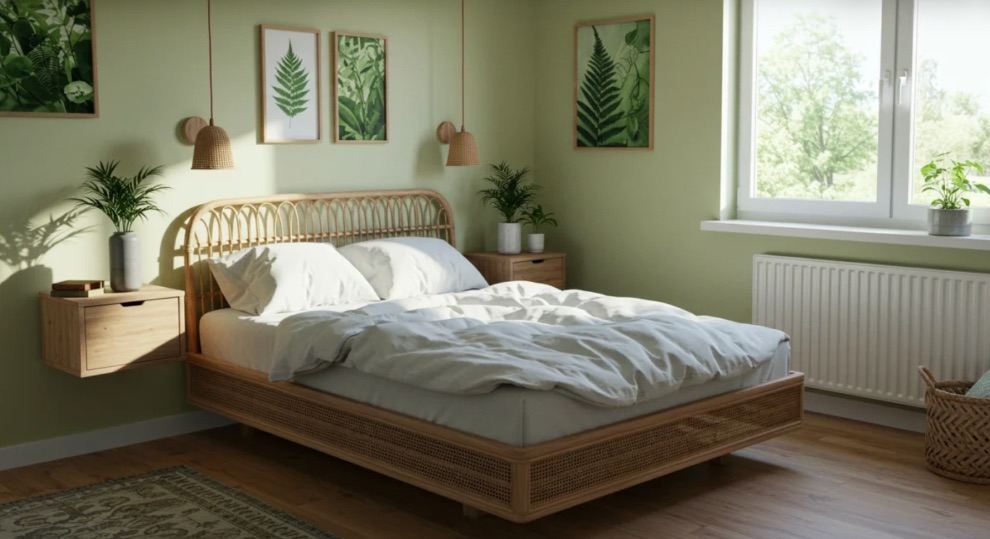
Image source: Bedstar
Create a plant shelf either above your bed frame or on a side wall to mix trailing plants with taller varieties for visual interest.
Don't have green fingers?
Not everyone has the time or ability to maintain living plants. Artificial plants offer several advantages:
They require no watering, sunlight, or specific temperature conditions—perfect for bedrooms where convenience matters. They remain allergy-free whilst immediately creating serene sanctuaries.
Faux greenery provides exceptional design flexibility, allowing you to incorporate exotic or tropical plants traditionally unsuitable for indoor environments. This versatility creates a lush, oasis-like atmosphere without the maintenance demands.
Which materials will help you sleep better?
The materials surrounding you during sleep matter more than you might think. Considering you spend about one-third of your life in direct contact with these surfaces, their composition can make or break your rest quality.
Wood, stone and clay for a calming bedroom
Natural materials don't just look beautiful—they actively support better sleep. Solid wood furniture helps lower your heart rate and stress levels compared to rooms filled with synthetic alternatives. Each wooden piece develops a rich patina over time, connecting you to nature's own ageing process.
Stone and clay elements work as natural temperature regulators, absorbing heat during daylight hours and gently releasing it at night. These materials tell unique stories through their patterns and textures—something mass-produced alternatives simply cannot provide. Clay plasters offer an additional benefit by naturally balancing humidity levels, particularly beneficial for those with respiratory concerns.
Choose breathable bedding that works with your body
What touches your skin throughout the night directly impacts sleep quality. Linen deserves special mention—this flax-derived fabric absorbs up to 20% of its weight in moisture without feeling damp. It excels at regulating temperature, keeping you cool in summer and cosy during winter.
Organic cotton provides natural breathability that synthetic alternatives cannot match. It efficiently wicks moisture away from your body, preventing that uncomfortable stickiness that often disrupts sleep. High-quality organic bedding, especially in percale weave, allows steady body temperature maintenance throughout the night.
Takeaway Tip: swap your polyester sheets for linen or organic cotton to instantly improve your sleep temperature regulation.
Why you should avoid synthetic materials
Synthetic materials create barriers between you and restorative sleep. Polyester sheets trap heat and perspiration against your skin, causing temperature spikes that can wake you. Vinyl flooring and synthetic carpets may continue releasing chemicals into your bedroom air for years.
Recent research shows chemicals in everyday plastics may disrupt your body's natural 24-hour sleep-wake cycle in ways similar to caffeine. These chemicals can throw off your internal clock by up to 17 minutes. Conventional textile manufacturing often uses carcinogenic dyes, formaldehyde, toxic heavy metals, and chlorine-based bleaches—all substances prohibited in certified organic bedding.
Each natural material swap strengthens your connection to the outdoors, helping your body respond instinctively with deeper, more restorative sleep.
Create a multi-sensory sleep experience
Why stop at what you can see? Your bedroom's sounds, scents and textures play a crucial role in preparing your mind and body for rest.
Natural sounds that help you drift off
Ever noticed how the gentle rhythm of rainfall or ocean waves makes you feel instantly calmer? Natural soundscapes work on your nervous system in remarkable ways. Research shows that forest-related sounds significantly decrease sympathetic nervous activity and reduce oxy-Hb concentration in the prefrontal cortex. Water sounds don't just sound pleasant – they improve acoustic perception and enhance overall environmental comfort.
Ocean sounds, rainfall, bird calls, and wind through trees influence your brain's connections, shifting it away from the "flight-or-fight" response toward the "rest-digest" state. Studies confirm that ocean sounds specifically improve sleep quality, depth, and your ability to return to sleep after waking.
Living in the city? A tabletop fountain offers a practical solution, providing gentle water sounds that mask disruptive noises while promoting relaxation.
Scents that signal it's time to sleep
Your nose knows when it's time to relax. Natural aromas directly influence sleep quality by activating relaxation pathways in your brain. Lavender stands out for its ability to reduce blood pressure and heart rate. Chamomile calms overactive minds with compounds that interact with brain receptors.
Sandalwood's rich, woody fragrance creates a grounding effect. Ylang-ylang reduces stress responses and slows heart rate. For a fresh approach, eucalyptus purifies and revitalises, clearing mental fog before sleep.
Cedarwood deserves special mention – it naturally infuses air with sedative properties that potentially aid sleep by promoting relaxation.
Textures that ground you for better rest
Touch completes your sensory sleep sanctuary. Natural materials with calming textures evoke tranquillity and warmth. Layer soft linen bedding, woven throws, wool blankets, and textured pillows to invite physical contact with natural surfaces – this practice down-regulates your nervous system.
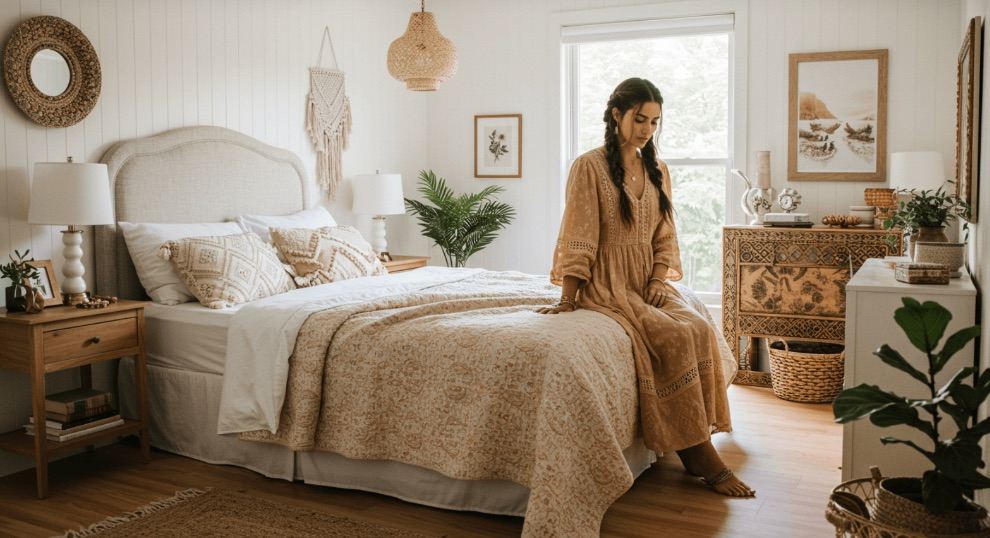
Image source: Bedstar
The magic happens when visual, auditory, scent and tactile elements work together. This combination creates an additive effect, establishing a complete sensory environment that signals to your body it's time to rest.
Don't forget – small changes to engage your senses can make a big difference to your sleep quality.
Create your sleep sanctuary this weekend
Your bedroom can become so much more than just a place to rest your head. Throughout this guide, you've discovered how natural elements work with your body to create deeper, more restorative sleep.
Natural light gives you an extra 46 minutes of sleep each night simply by working with your circadian rhythms. Fresh air and glimpses of greenery through your windows turn your space into a sanctuary that supports rather than fights against your natural sleep patterns.
Plants aren't just pretty additions – they're working round the clock to purify your air and boost humidity levels. Snake plants, peace lilies, and spider plants do all this heavy lifting whilst needing barely any attention from you.
Your choice of materials matters more than you might think. Wood furniture actually reduces your stress levels, whilst linen and organic cotton bedding help regulate your temperature naturally. Compare this to synthetic materials that can throw off your sleep-wake cycle by up to 17 minutes – that's a significant difference for something as simple as switching your sheets.
Don't forget about your other senses either. Natural sounds calm your nervous system, whilst scents like lavender activate your brain's relaxation pathways. Even the textures you touch can signal to your body that it's time to unwind.
Sleep affects everything – your mood, your energy, your ability to tackle whatever life throws at you. So creating a bedroom that works with your biology isn't just about aesthetics. It's an investment in feeling better every single day.
You don't need expensive gadgets or complicated systems to sleep better. Sometimes the most effective solutions are the simplest ones – reconnecting with the natural elements we've evolved alongside for thousands of years.
Your Weekend Project starts now. Choose one or two changes that excite you most and see how your sleep improves. Your body will thank you for it.
Key Takeaways
Transform your bedroom into a natural sleep sanctuary using biophilic design principles that work with your biology to promote deeper, more restorative rest.
• Natural light exposure adds 46 minutes of sleep nightly - position your bed near windows and use sheer curtains to maximise daylight for better circadian rhythm regulation.
• Air-purifying plants like snake plants and peace lilies actively improve sleep quality by increasing oxygen levels and humidity whilst requiring minimal maintenance.
• Choose natural materials over synthetics - linen bedding and wood furniture reduce stress levels, while synthetic materials can disrupt sleep-wake cycles by up to 17 minutes.
• Engage all senses with nature sounds and scents - ocean sounds, lavender aromas, and natural textures activate your body's relaxation response for easier sleep onset.
• Maintain optimal airflow and humidity between 40-60% to help your body regulate temperature naturally and prevent sleep disruptions from stagnant air.
Small changes like adding plants, improving ventilation, and switching to natural bedding materials can yield significant improvements in sleep quality without expensive gadgets or medications.