






How Slats, Beams and Acoustic Can Enhance Both Aesthetics and Acoustics in Interiors
In the realm of interior design, achieving a balance between visual appeal and functional acoustics is often a formidable challenge. Yet the advent of innovative solutions like slats, beams, and acoustic installations has revolutionised this space. These architectural features, such as the MAXISLAT WAFFLE GRID, effectively marry the twin demands of aesthetics and sound management, offering exceptional benefits to modern interiors.
The Evolution of Interior Design
Interior design has significantly evolved over the past few decades, transitioning from mere decoration to a nuanced combination of form and function. As open-plan spaces and minimalist aesthetics gain popularity, the need for innovative solutions to control acoustics without compromising on design has become essential. Traditional methods like carpets and heavy curtains are often deemed intrusive and ineffective for modern interiors that favour sleek lines and open vistas. Herein lies the beauty of slats, beams and acoustic systems they provide a seamless blend of style and substance.
Understanding Slats, Beams and Acoustic Designs
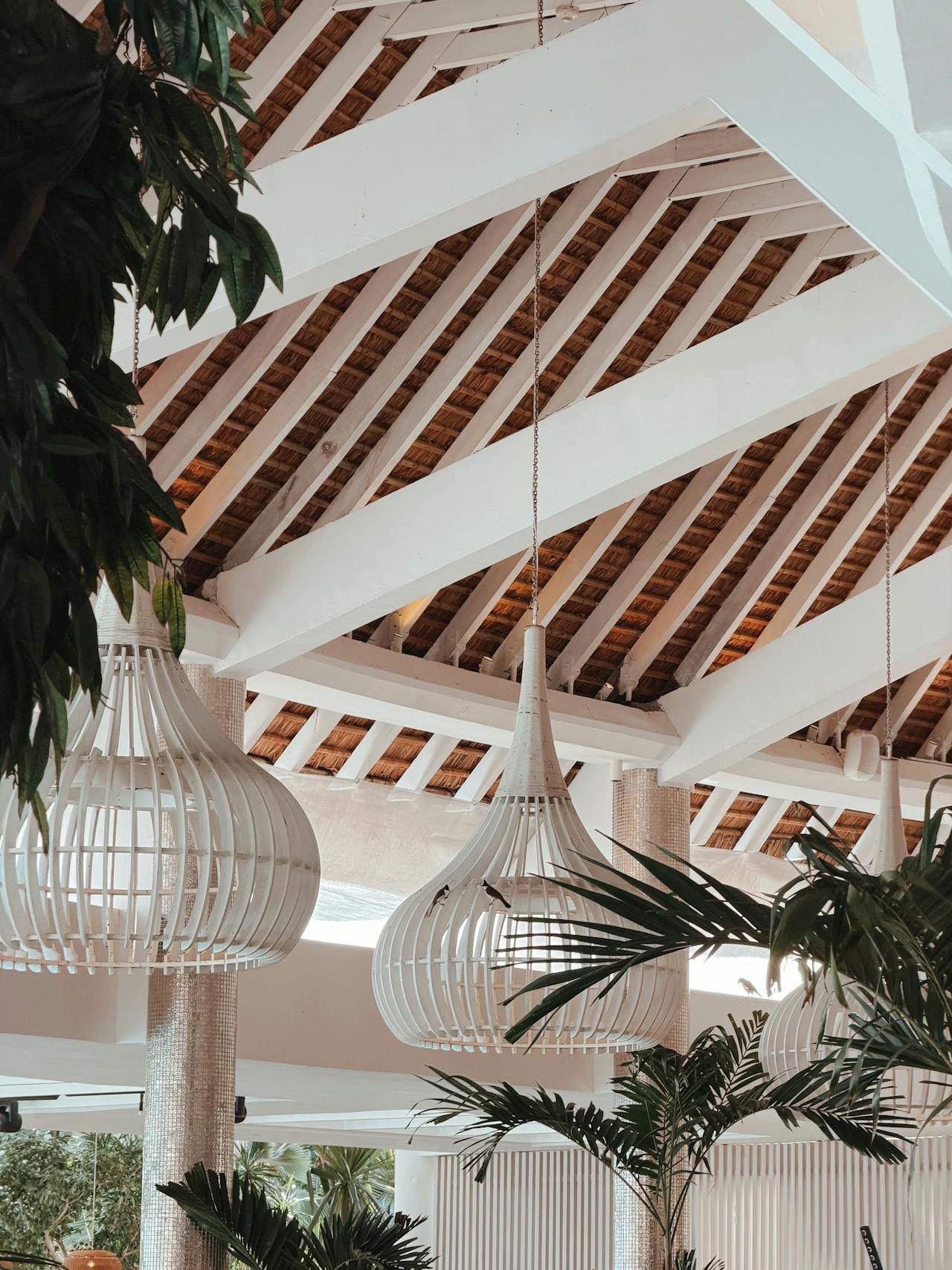
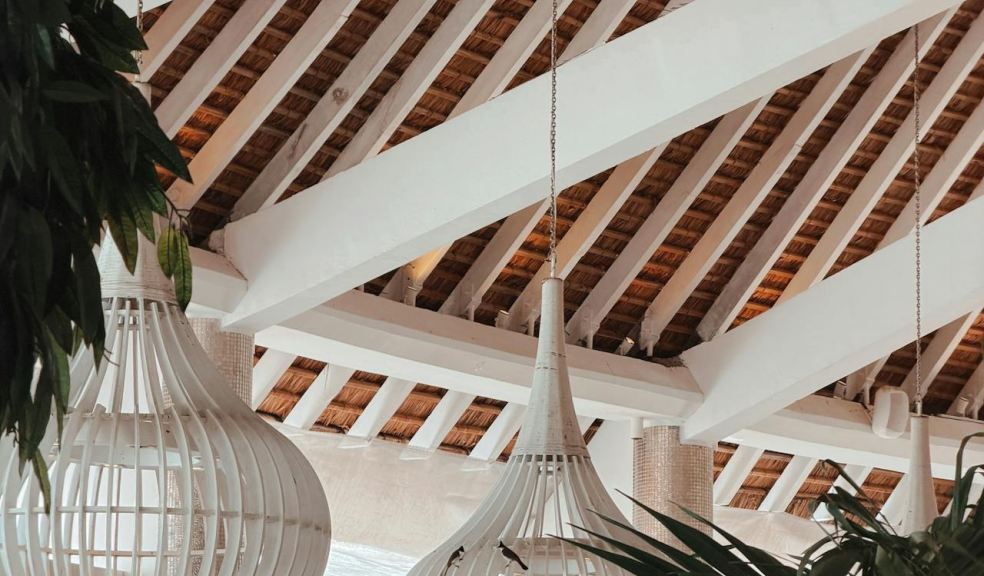
Slats, beams and acoustic designs are essentially linear or grid-like structures that are strategically installed to break up sound waves and reduce echo. Made from an array of materials, including wood, metal, and composite, these installations are not only practical but also aesthetically pleasing. Their linear appearance adds depth and texture to any space, making them a preferred choice for those conscious of both style and acoustical comfort. The placement of these slats or beams significantly influences the equilibrium between absorbing, diffusing, and reflecting sound, effectively enhancing the auditory experience in various settings.
The Aesthetic Benefits
Beyond their acoustic capabilities, slats, beams and acoustic installations offer a wide array of aesthetic benefits. Their clean lines and geometric precision can complement various design styles, from contemporary to industrial. They can be customised in terms of colour, material, and finish, making them versatile enough to match any interior palette. Additionally, they can be strategically used to highlight architectural features or disguise unsightly elements like ductwork and piping, further enhancing the visual impact of a space. This adaptability makes them an indispensable tool for architects and interior designers striving for thematic coherence and visual harmony.
Acoustic Functionality Tailored to Needs
One of the most compelling benefits of slats, beams and acoustic technology is its ability to be tailored to specific acoustic needs. Whether it's controlling the ambient noise in a busy restaurant, reducing the echo in a large lobby, or ensuring speech clarity in conference rooms, these installations can be customised to meet a range of acoustic requirements. By increasing surface area and manipulating the direction of sound waves, slats and beams structures can dramatically improve sound quality in any setting, providing both speech intelligibility and auditory comfort.
Practical Applications in Various Settings
The practicality of slats, beams and acoustic systems is evident in the diverse settings they enhance. Corporate offices benefit from reduced noise pollution, thereby improving employee concentration and productivity. Hospitality venues such as hotels and restaurants enjoy improved ambiance and patron comfort. Educational institutions see better learning environments with reduced echo and noise levels. Even residential interiors can benefit from these installations, ensuring serenity and privacy. The integration of such versatile functional and aesthetic elements into various interiors highlights the growing need for adaptable design solutions that cater to modern demands.
In conclusion, the strategic use of slats, beams and acoustic features is fast becoming an essential aspect of modern interior design. By skilfully blending visuals and acoustics, these installations not only meet but exceed the demands of contemporary spaces. They offer an array of customised solutions that enhance both the aesthetic and functional aspects of a room, ensuring environments that are as pleasant to occupy as they are to observe.