






How to Turn Your Garden Into a Relaxing Year-Round Sanctuary
A garden can be so much more than somewhere to plonk a deckchair on a sunny afternoon. With a bit of thought given to planting, seating and a handful of practical choices, it can become a proper calming retreat that feels inviting whatever the season.
The trick is to design a garden that works with the seasons rather than banking everything on a few weeks of summer colour. Taking inspiration from a mediterranean garden can help bring in texture, structure and a relaxed feel through aromatic planting, natural materials and warm, understated tones. Pair that with plants that pull their weight all year, and you end up with a space that still feels welcoming when the weather turns.
Here are some practical ways to turn your garden into a peaceful spot you'll actually want to use, whatever month it is.
Create a Comfortable Place to Sit
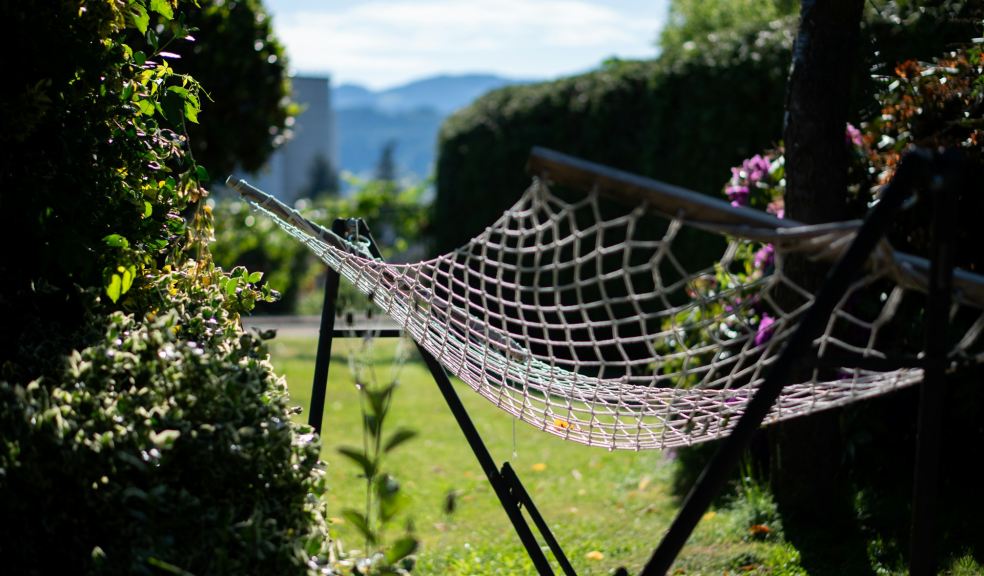
A relaxing garden needs somewhere decent to sit, whether that's a proper dining area, a sheltered bench, or just a couple of chairs angled to catch the last of the afternoon sun.
Think honestly about when you're most likely to be out there and choose your seating with that in mind. A south-facing patio might be glorious in April but unbearable by July, while a shady corner could end up being the only bearable spot once the heat kicks in.
A few outdoor cushions, a small table, or a weather-resistant rug can lift the whole area. The idea is to make it feel like you've actually chosen that spot, rather than just dumping the furniture wherever there was space.
Use Planting for Year-Round Interest
One of the simplest ways to keep a garden looking good all year is to pick plants that offer something different in each season.
Evergreen shrubs give you structure through the winter months, while spring bulbs, summer perennials and autumn grasses bring colour and movement at different points in the calendar.
Try not to lean too heavily on plants that all flower at once. Layer things instead, so there's always something adding texture, colour or shape, even if it's a quieter kind of interest.
Seed heads, interesting bark and good foliage really earn their keep in autumn and winter, when flowers are thin on the ground.
Add Shelter from the Elements
If you want to get proper use out of the garden beyond the warmest months, shelter makes a real difference.
A pergola, a covered seating area or even a simple canopy can take the edge off light rain and harsh sun. In gardens that catch more wind, hedging, shrubs or screening can help calm things down.
It's worth spending a bit of time watching how the weather moves through your garden before you commit to anything permanent. Some corners are naturally sheltered by the house, while others seem to catch every gust going.
Even one properly protected spot can make the garden far more usable in spring and autumn, when the temperature's pleasant but the weather itself is anyone's guess.
Soften Hard Landscaping
Patios, walls and fencing are all useful, but too much hard landscaping can leave a garden feeling a bit stark.
Planting helps soften that. Climbers are brilliant for covering bare walls or fences, while pots and containers can break up large expanses of paving.
Grouping containers at different heights tends to work better than scattering individual pots about the place. It gives a stronger, more deliberate look and pulls the space together. Natural materials like timber, stone, terracotta and gravel also help soften the overall feel.
Introduce Privacy Where It Matters
It's hard to relax in a garden that feels overlooked.
Rather than screening off every boundary, focus on the bits where privacy actually matters, usually the seating area. Tall planting, a trellis or a well-placed small tree can make a huge difference here.
Climbing plants offer a gentler kind of screening too, without blocking out all the light.
If your garden's on the smaller side, try to avoid boxing the whole thing in with tall, solid barriers, as it can start to feel a bit claustrophobic. Screening selectively usually works better and keeps the rest of the space feeling open.
Think About Lighting for Darker Months
Good outdoor lighting can stretch the time you spend in the garden and make it feel far more welcoming once the nights draw in.
Rather than relying on one harsh wall light, try a few softer sources instead. Low-level path lights help with safety, while lanterns or string lights around the seating area create a warmer, cosier feel.
Lighting a tree, a textured wall or a striking plant can add depth and keep the garden visually interesting after dark. The best lighting usually picks out a few chosen features rather than flooding the whole space.
Add Seasonal Details
Small seasonal touches can keep a garden feeling fresh without a full redesign.
In spring, that might just mean pots of bulbs near the back door. Come summer, outdoor cushions, light throws and flowering containers bring in extra colour. Autumn is a good excuse for lanterns, grasses and plants with warm foliage, while winter suits evergreens, structural planting and understated lighting.
These little changes let the garden evolve through the year while the bones of the design stay the same.
Make the Garden Easy to Maintain
A relaxing garden shouldn't turn into yet another chore.
Choose plants that actually suit your garden's conditions, sunlight, soil and exposure included. Plants that are naturally happy where they're planted are generally far less fuss.
Mulching borders helps keep weeds down and moisture in, and grouping plants with similar watering needs makes life easier. It's also worth having somewhere practical to store tools, cushions and other bits so they can be tidied away quickly.
The less time spent on avoidable upkeep, the more time there is to actually enjoy sitting out there.
Create a Garden That Changes with the Seasons
A year-round garden doesn't need to look identical every month. Watching it change is part of the appeal.
Spring brings fresh growth and bulbs, summer offers colour and long evenings, autumn introduces texture and warmer tones, and winter shows off structure and form.
Bring together comfortable seating, layered planting, some shelter and thoughtful lighting, and you've got an outdoor space that stays inviting long after summer's gone.
The goal isn't a garden that's perfect every day of the year, it's one with enough structure and interest that it always feels worth stepping into.