





From holiday destination to permanent home: Making the move to Spain
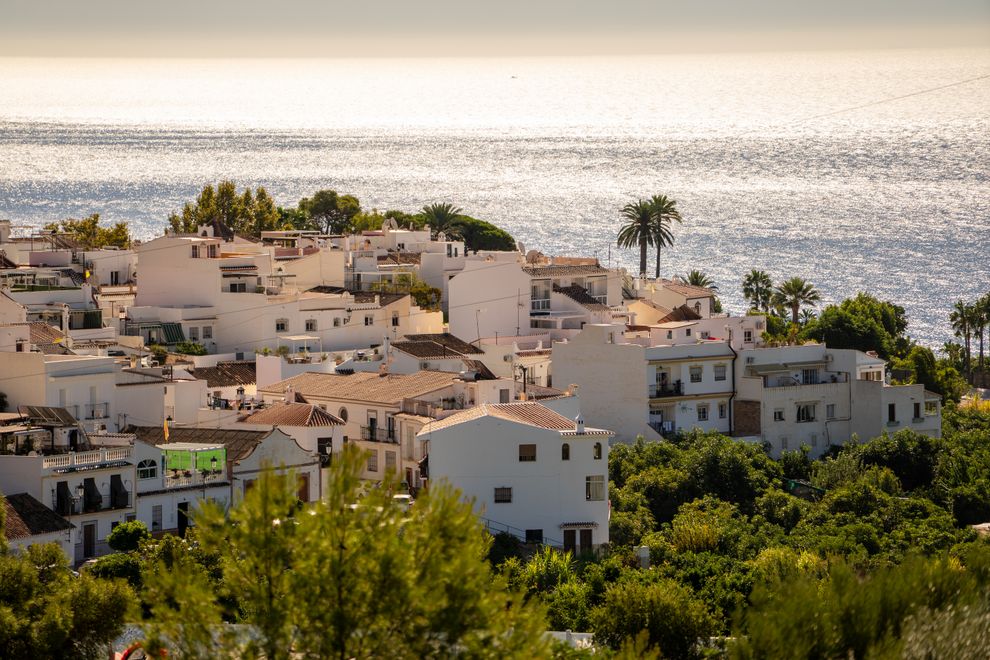
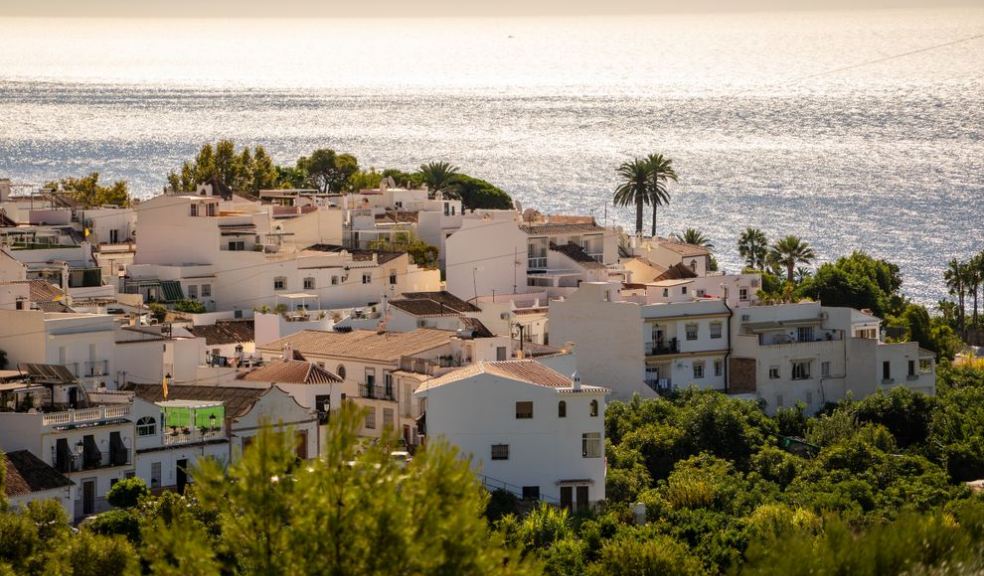
Most people who end up living in Spain can point to a single moment when the idea first took hold. Maybe it was a terrace at dusk, the light doing something unfair to the sea, and a thought that felt almost too simple. Could I actually live here? For plenty of holidaymakers, that thought doesn't fade once the suitcase is unpacked back home. It lingers, gets mentioned again over dinner a few months later, and slowly turns into something worth planning for.
Why the idea takes hold
It rarely starts with a spreadsheet. It starts with a feeling, the pace of the day slowing down, a stranger going out of their way to help with directions, and the sense that evenings are meant to be spent outside rather than rushed. People who've worked with agents such as 5 Real Estate, known for their local expertise and personalised approach, often say that the first proper conversation about buying was the point where a recurring holiday daydream finally turned into a plan with steps.
The rhythm of daily life is hard to give up after you get used to it. Shops close for a couple of hours in the afternoon. Lunch isn't something you eat at your desk. Neighbours actually know each other, and family still sits at the centre of most social occasions. None of this is about escaping bad weather, though the weather certainly helps. It's about a different pace, one that many newcomers describe as the thing they didn't know they were missing.
Spain isn't one place, either, which is part of the appeal. Barcelona has its energy, all its noise and architecture and late nights. Head south-east towards the Costa Blanca or inland into Murcia, and the atmosphere changes completely: quieter towns, golf resorts, and communities built around retirees and families rather than nightlife. That range matters, because someone chasing a bustling city life and someone after a slower, garden-and-pool sort of existence can both find a version of Spain that fits them.
Getting from daydream to keys in hand
Once the idea sticks, the questions start piling up. Where exactly? What kind of property? And how does someone buy a house in a country where they don't speak the language fluently or know how the system works? These are fair questions, and the honest answer is that Spain's process for international buyers is well trodden; thousands of people go through it every year, but it still helps enormously to have someone local in your corner.
Viewing trips are worth taking seriously rather than treating as a formality. A coastal town in August, all sunshine and open bars, looks very different in February when half the restaurants are shuttered for the season. Buyers who visit more than once, ideally at different times of year, tend to make far better decisions than those working off a single holiday impression. It's also worth spending a day just wandering a neighbourhood on foot, checking where the bakery is, how far the nearest doctor's surgery is, and whether the street feels lived in during the week and not just at weekends.
Then there's the paperwork, which sounds worse than it is. An NIE number (Spain's tax identification number for foreigners), a local bank account, healthcare registration, and understanding what taxes apply once you're a resident rather than a tourist; none of it is complicated on its own, but it does help to have someone explain it in plain terms rather than legal jargon. Get a good local solicitor and a notary involved early, and most of what feels overwhelming on paper turns out to be a fairly short list of appointments.