




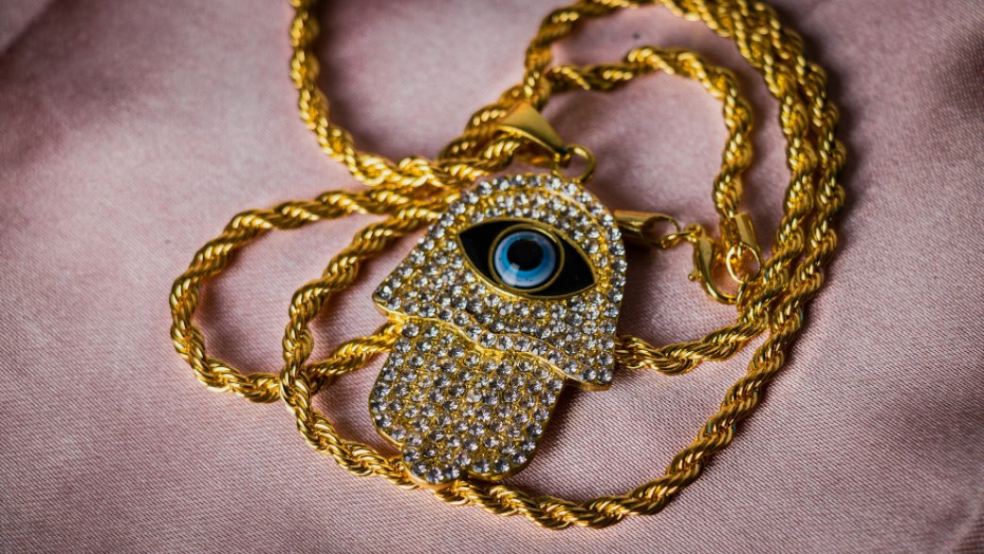
Jewellery that Speaks: The Rise of Sentimental and Symbolic Luxury Pieces
The luxury jewellery market just hit over £44 billion globally, yet something unexpected is happening. Buyers are passing over branded pieces for jewellery that their grandmothers wore. A recent industry analysis reveals that younger consumers, mostly millennials and Gen Zs, are driving much of the luxury jewellery growth, prioritising personalised, sustainable pieces with personal meaning over traditional brand logos.
This isn't sentiment. It's a market shift backed by purchasing data. Symbolic pieces, such as evil eyes, celestial motifs, and heritage birthstones, are outselling traditional status jewellery.
We examined current market trends, interviewed UK jewelers, and analysed consumer behaviour patterns to understand why jewellery with a story now commands attention that logo luxury once held.
Why Sentiment Matters Now
The pandemic changed how people view luxury. We learned what truly matters. These values now influence how we spend our money, especially on jewellery.
Millennials account for about 46% of global luxury spending, with Gen Z driving targeted growth through values like personalisation and cultural relevance, per Bain & Company's latest reports. These buyers prioritise self-expression and sustainability over traditional status symbols.
The shift away from logo-driven luxury is real. Today’s buyers would rather wear something meaningful than something obviously expensive.
Brands that create fine necklaces for women with symbolic elements understand this change perfectly. The evil eye, celestial motifs, and nature-inspired designs connect wearers to ancient traditions while looking thoroughly modern.
Symbols that Resonate
Ancient symbols are making a comeback. The evil eye has been around for 5,000 years. It started in ancient Mesopotamia and spread across Greece, Rome, and the Middle East. Today, it’s everywhere.
The global spiritual jewellery market (including talismans such as the evil eye) is expected to grow from $14.78 billion in 2024 to $21.12 billion by 2029. That’s a 7.4% growth rate driven by increased interest in spirituality and symbolic jewellery.
The evil eye isn’t alone.
- Celestial motifs, such as moons and stars, represent guidance.
- Nature-inspired pieces with leaves or flowers connect us to the earth. These symbols carry weight across cultures.
- Cultural heritage pieces are trending. People want to reconnect with their roots through jewellery. A necklace featuring Celtic knots becomes more than decoration. Its identity.
- Birthstones have evolved beyond traditional engagement rings. Sapphire demand grew by 7-8% globally this year, driven by consumers seeking pieces with personal significance.
- Personalisation has exploded. Initial pendants, coordinates of special places, and meaningful dates. These customisations transform jewellery into wearable memories.
Traditional Luxury vs. Meaningful Luxury
The shift from status to sentiment becomes clear when you compare what drives purchases:
|
Traditional Luxury jewellery |
Symbolic & Sentimental jewellery |
|
Brand name and logo visibility |
Personal meaning and story |
|
Resale value and investment |
Emotional connection and heritage |
|
Showing wealth and status |
Expressing identity and values |
|
Following trends |
Connecting to tradition |
|
Impressing others |
Honoring relationships |
|
Mass appeal designs |
Customised or symbolic elements |
This comparison explains why younger buyers gravitate toward pieces with meaning. They're not rejecting quality or craftsmanship. They're rejecting empty status symbols.
Investment in Emotion
What makes jewellery valuable? The answer is changing. Traditional investment pieces focused on resale value and brand names. Today’s buyers think about emotional return on investment.
jewellery marks life moments. Graduation. Marriage. Loss. New beginnings. Memorial jewellery helps people carry their loved ones with them. Celebration pieces commemorate achievements. Milestone markers capture turning points. Each piece becomes a chapter in someone’s story.
UK jewelers and international designers are responding to this shift. Brands now offer customisation services that let buyers create truly personal pieces. Some create entirely bespoke designs from scratch. Others provide collections with built-in symbolic meaning that resonates across cultures.
Looking ahead
Luxury jewellery has evolved from a status symbol to a sentiment keeper. The market reflects what consumers truly value now. Connection. Heritage. Personal meaning. These drive real purchasing decisions.
The trend shows no signs of slowing. As more people prioritise experiences and meaning over material excess, symbolic jewellery becomes increasingly relevant. Whether it’s an evil eye for protection, a birthstone for identity, or a custom piece marking a milestone, today’s jewellery tells personal stories.
Next time you consider a jewellery purchase, think about the story you want it to tell. The best pieces don’t just complement an outfit; they carry meaning that lasts far beyond any trend cycle. That’s the real luxury.
Source:
Luxury jewellery Market Size and Trends
https://www.coherentmarketinsights.com/market-insight/luxury-jewellery-market-2278
Finding a New Longevity for Luxury
https://www.bain.com/insights/finding-a-new-longevity-for-luxury/
Spiritual jewellery Global Market 2024 To Reach $19.69 Billion By 2028 At Rate Of 7.4%