





A Guide To Organising An Outdoor Concert
British summers are the perfect time to host outdoor events, whether it is a wedding, a concert or a corporate event. With daylight hours stretching until 9 pm and pleasant temperatures averaging 15°C, summertime offers the ideal conditions for spending time outdoors.
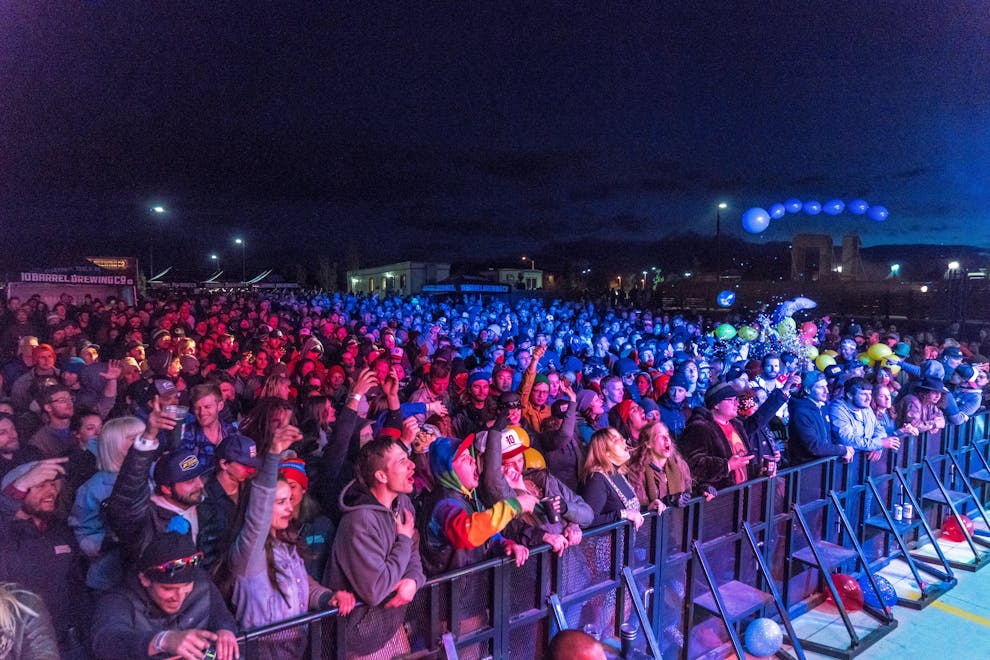
Concerts are ingrained in British culture, offering a unique shared experience among friends, fans and other like-minded individuals. Live musical events give the opportunity for fans to experience their favourite musical performers up close and personal, an experience that is not only enjoyable but also highly emotional for many music lovers. Music tourism is a great economic driver, as fans from both across the country and around the globe flock to enjoy unique music events.
While concertgoers might just walk in to vibe with their favourite artists and enjoy the ambience, a lot goes on behind the scenes. Whether you are a curious onlooker who wants to know what goes on behind the scenes or someone who might want to be part of an organising committee in the future, this guide is for you.
Find the Venue
Securing a suitable venue is one of the first steps in hosting any event. Once a date has been chosen and a theme decided on, finding the venue is the next natural task to complete. The availability of a chosen venue may impact the date and time of the event, so securing this early allows time to organise advertising well in advance. It is also important to have a clear grasp on the number of people that a venue can cater to, as this will impact ticket prices and ticket numbers.
Are you hosting the event in a stadium, open-air theatre or in a natural setting? Depending on this, you will need to plan the infrastructure. Considerations for an outdoor concert are not limited to stage construction, but aspects such as toilets and amenities, food stalls, and parking all need to be taken into account.
Cabin Solutions offers portable toilets that can be placed strategically around the venue, allowing concertgoers access to clean lavatories. It is important to ensure a venue has an adequate number of lavatories to avoid long queues and compromised sanitation levels.
If the venue has any permanently installed toilets or other physical facilities, working with a professional cleaning crew and using commercial cleaning products from AMB Hygiene will ensure that the highest hygiene standards are maintained. Alternatively, having a cleaning crew on standby is also a good idea.
Marketing
Once performers have been secured and the venue and date have been finalised, it’s now time to begin executing a marketing strategy. When you host a concert, you’ll be bombarded with hundreds of queries from attendees, sponsors and fans. As fake news and misinformation are becoming increasingly common, it is better to have a single source of truth: a customised website.
A customised and purpose-built website can be used to share details from ticket sales and availability, route maps from different locations, and other important pieces of information.
Social media ads, viral moment marketing, and billboards are great ways to advertise the event. You can also order custom flags online and other customised merchandise that can be used as fan giveaways. Adding your band details or sponsor logos on merchandise and giveaways turns these products into both marketing materials and souvenirs.
Get the Permits
There are certain permits that must be obtained before an event can take place. Ignoring these requirements may have legal ramifications. To determine which permits are required and how to obtain them, contact the local council's licensing authority as soon as possible. Important regulatory requirements include premises licences, music licences, noise limit permits, temporary event notices, and food and drink permits.
Working with independent legal advisors, attorneys, and accountants can be a good way to ensure you comply with legal requirements. As an organiser, you need to arrange for fire safety protocols, have ambulances on standby and implement first aid points around the premises.
Hire the Right Crew
Do you know what makes a great concert? The headlining act is one of the key components, but what many people fail to realise is the arrangements and the crew. Attendees do not give positive feedback if they end up standing in queues for long periods of time, whether it is to enter the arena, visit the toilet, or even get beer and fish and chips.
A well-trained crew can manage the queue efficiently, keep it moving, and patiently answer questions when necessary. Hire people with expertise and then train them ahead of time so that everyone is confident to perform in their role. You can also outsource this to an event management company. The crew must also be easy to identify; providing uniforms and identity cards is one way to keep a good overview of crew levels.
You might also need to hire an additional security crew to assist with emergencies should any arise.
Get the Right Tools and Equipment
Concerts are attended by thousands of people. But, despite the number of people or the type of ticket purchased, fans should all enjoy an optimal experience.
To ensure a positive experience, obtain the proper sound system, which includes carefully selected microphones and speakers. Large screens installed around the venue are a great way to ensure everyone, even those in areas further from the stage, still experience the performance they have come to see. If using screens, it is important to ensure that professional camera operators are hired so that audiences enjoy full coverage of the stage.
While you can work with professional sound engineers, you will also need to consult the artists, as they often have their own take on the matter. Make sure to double-check all pieces of equipment to reduce the risk of technical issues during the event.
You would also need other tools, like an ERP system that tracks everything from the number of tickets being sold and RSVPs to actual attendees and sponsor details.
Arrange a Cleanup Crew
Yes, most people, from the stars to the audience, are concerned about the event until the very end. But what happens after? This is where event organisers must ensure that a thorough cleanup takes place.
Most venues have a policy requiring that the area be returned to its pre-hire condition, and fines and penalties may be imposed for damage or failure to clean up the venue.
Have a cleanup crew on standby who will arrive as soon as the last guest leaves. Ensure that waste is properly segregated and that cleaners take appropriate precautions when handling lavatory waste and glass bottles.
If you've built a stage, you'll need to work with professionals to dismantle it, as well as sound and lighting experts to remove equipment.
In Conclusion…
Organising an outdoor concert isn’t an easy task; you need to work with vendors and suppliers and a large crew to ensure everything runs smoothly. Most people don’t see what happens behind the scenes, but it takes careful planning and organisation to create a successful event.
Planning starts ahead of time, and it is important to secure details such as event dates, venues, acts and performers, permits and marketing plans in advance. It all boils down to a few hours on the final day, and your success isn’t just measured in monetary terms, but when every attendee leaves with a smile on their face, and you’ve heard the final hurrah.