





What You Can Buy From a Roofing Supplies Company
Most people think of roofing supplies in simple terms: tiles, felt, maybe a few lengths of guttering. In reality, a good roofing supplies company stocks far more than the obvious surface materials. Roofing is a system, not a single product, and every layer matters if you want a roof that keeps out water, manages heat, and lasts for decades rather than years.
That matters whether you are a contractor pricing a job, a self-builder trying to avoid expensive mistakes, or a homeowner who wants to understand what is being installed overhead. Knowing what a roofing supplies company actually offers can make it easier to plan a project properly, compare quotes, and spot where corners might be getting cut.
The Core Materials Every Roof Starts With
Tiles, slates, and sheet roofing
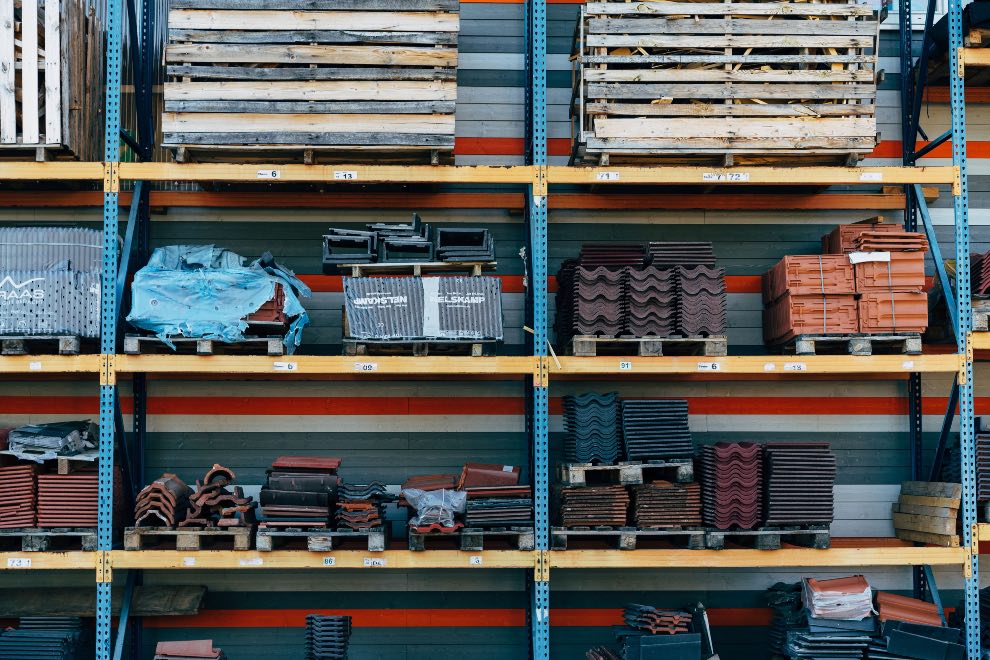
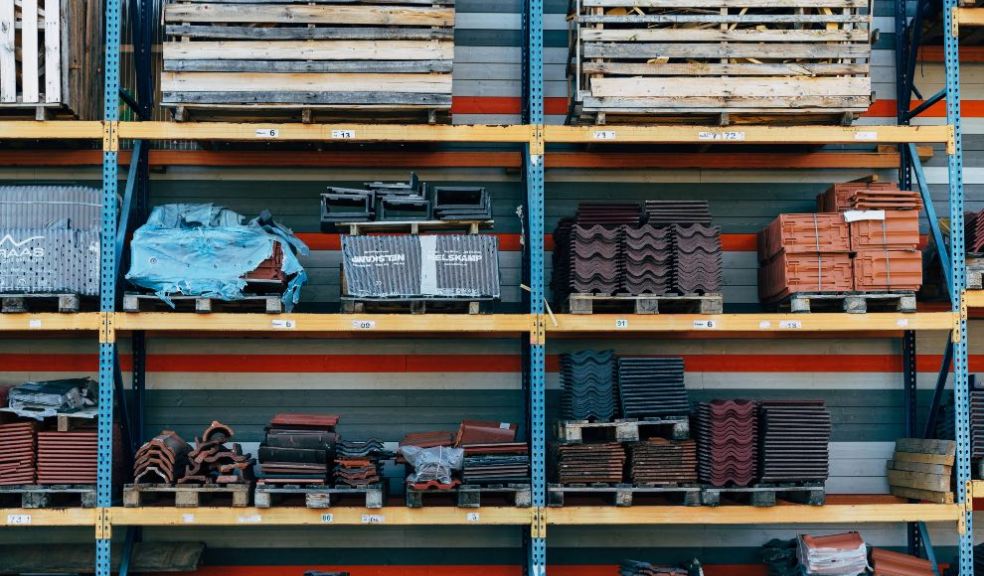
The most visible products are still the ones people recognise first. Pitched roofs are commonly finished with concrete tiles, clay tiles, natural slate, or fibre cement slate. Each comes with its own trade-offs.
Concrete tiles are widely used because they are durable, cost-effective, and available in many profiles. Clay tiles usually appeal where appearance matters most, especially on traditional or period-style homes. Natural slate offers longevity and a premium look, though it requires the right support structure and skilled installation. Fibre cement alternatives can provide a slate-like finish at a lower cost and weight.
Roofing supplies companies also stock sheet materials for agricultural buildings, garages, outbuildings, and some industrial projects. These might include corrugated bitumen sheets, metal roofing panels, and polycarbonate sheets for areas that need natural light.
Flat roofing systems
Flat roofs need a different product set altogether. Instead of tiles or slates, you are looking at membranes and layered waterproofing systems. Common options include EPDM rubber, GRP fibreglass, and torch-on felt systems. Each suits different budgets, roof sizes, and installation methods.
A specialist supplier will usually carry not just the main membrane but also the trims, adhesives, primers, outlets, and accessories that make the whole assembly work. That is more important than it sounds. Flat roofing failures often happen not because the main covering was poor, but because one compatible component was missed or substituted.
The Components That Make a Roof Perform
Membranes, battens, insulation, and ventilation
This is where roofing becomes more technical. Beneath the outer covering, there is a long list of essential products that many non-specialists overlook.
Breather membranes sit under tiles or slates and help manage moisture while protecting the structure during installation. Battens create the fixing gauge for tiles and slates. Insulation improves thermal performance and helps meet building regulations. Ventilation products reduce the risk of condensation, which can quietly damage timbers and reduce the effectiveness of insulation over time.
Spend a few minutes browsing a specialist merchant such as JJ Roofing Supplies and the breadth of these categories becomes clear. Roofing suppliers do not just sell “roof coverings”; they stock the smaller, less glamorous items that determine whether the finished roof is compliant, weather-tight, and durable.
Drainage, flashing, and edge details
Water management is another major category. Gutters, downpipes, outlets, hoppers, and drainage channels direct rainwater away from the building envelope. Flashings seal vulnerable junctions around chimneys, walls, dormers, skylights, and abutments. Edge trims and verge systems protect exposed perimeters from wind uplift and water ingress.
These details rarely get much attention until they fail, but they are often the difference between a neat-looking roof and a dependable one. A roofing supplies company will typically carry lead, lead alternatives, soakers, cavity trays, drip edges, dry ridge systems, and dry verge units designed to reduce maintenance compared with older mortar-based methods.
Tools, Fixings, and Safety Equipment
Small items with large consequences
A roofing project also depends on the right fixings and tools. Nails, screws, clips, sealants, adhesives, and brackets may not account for much of the headline budget, but choosing the wrong type can compromise the whole installation. Coastal projects, for example, often require corrosion-resistant fixings. Slate roofs may need specific hooks or nails. Flat roofing systems can require manufacturer-approved adhesives to maintain performance.
Many roofing suppliers also stock site essentials and safety products, which can save time when organising a job. A typical order might include:
- fixings and fasteners
- sealants and adhesives
- ladders, access equipment, and PPE
- roofing tools such as cutters, hammers, and torches
- roof windows, vents, and access hatches
That convenience matters on live projects. Fewer suppliers usually means fewer delays, fewer compatibility issues, and less risk of someone improvising with whatever happens to be in the van.
Why Buying From a Specialist Matters
Advice, compatibility, and compliance
General builders’ merchants can cover the basics, but specialist roofing suppliers tend to be stronger where projects get complicated. They are more likely to understand system compatibility, local product preferences, and the practical realities of installation. That can help with everything from matching existing tiles on a repair job to specifying insulation thickness for a refurbishment.
There is also the compliance angle. Roofing work increasingly intersects with energy efficiency standards, fire performance requirements, and manufacturer installation rules. A specialist supplier can often help identify the products that meet the brief and work together properly. That does not replace a roofer’s expertise, but it does reduce the chances of ordering materials that are technically unsuitable.
Better planning leads to better roofs
So, what can you buy from a roofing supplies company? The short answer is: almost everything needed to build, repair, or upgrade a roof from structure to finish. The longer answer is more useful. You are not just buying coverings; you are sourcing a complete set of interdependent materials that control weatherproofing, drainage, insulation, airflow, and long-term maintenance.
That shift in perspective is worth making before any project begins. Once you understand the full range of products involved, it becomes easier to ask better questions, assess quotations more accurately, and avoid the false economy of under-specifying the hidden parts of the roof. After all, the components you never see are often the ones doing the hardest work.