





How Poor Skincare Timing Can Lead to Raised Acne Scars
Skincare isn't just about what you apply. It's about when you apply it. Most people focus on products but overlook timing, which plays a key role in healing and scarring.
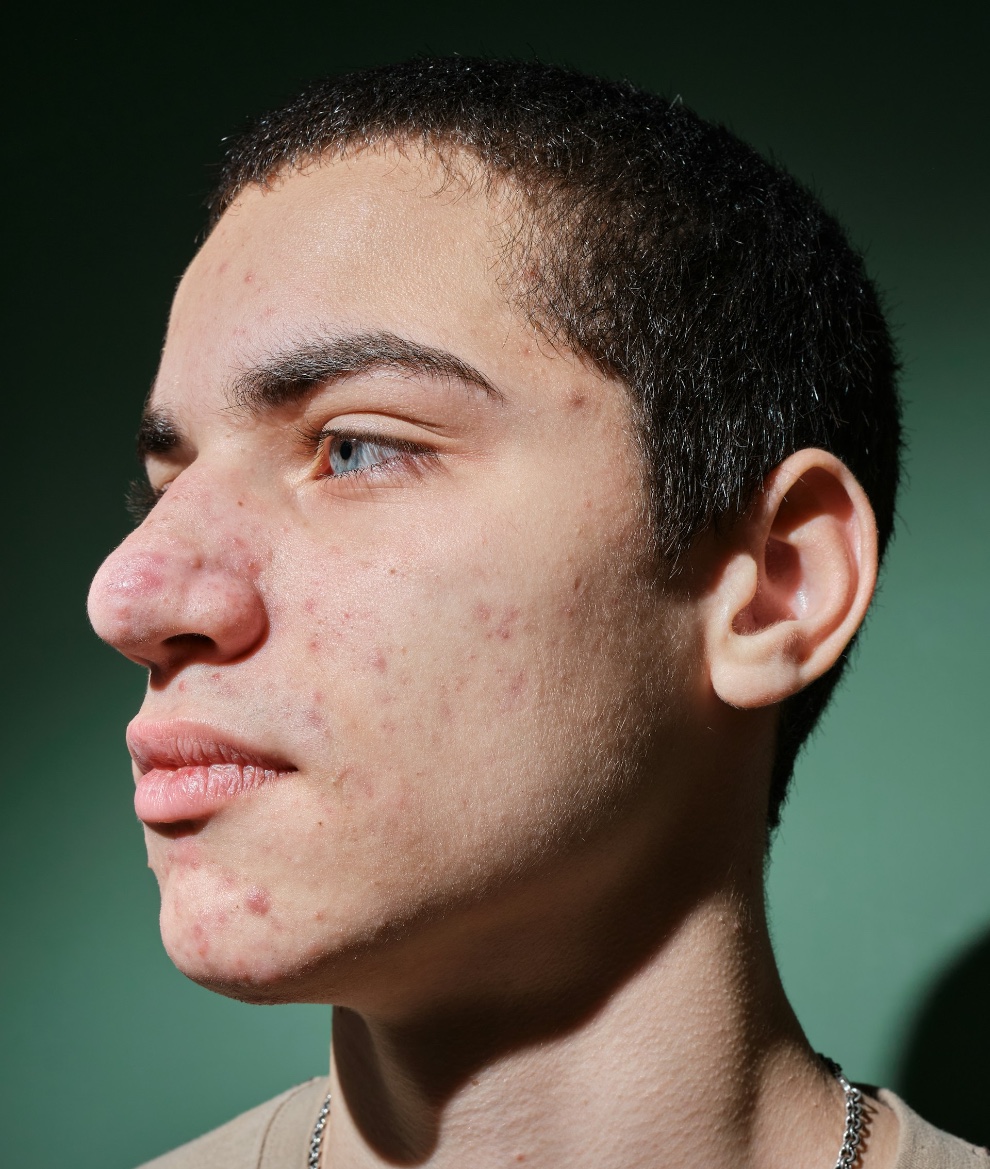
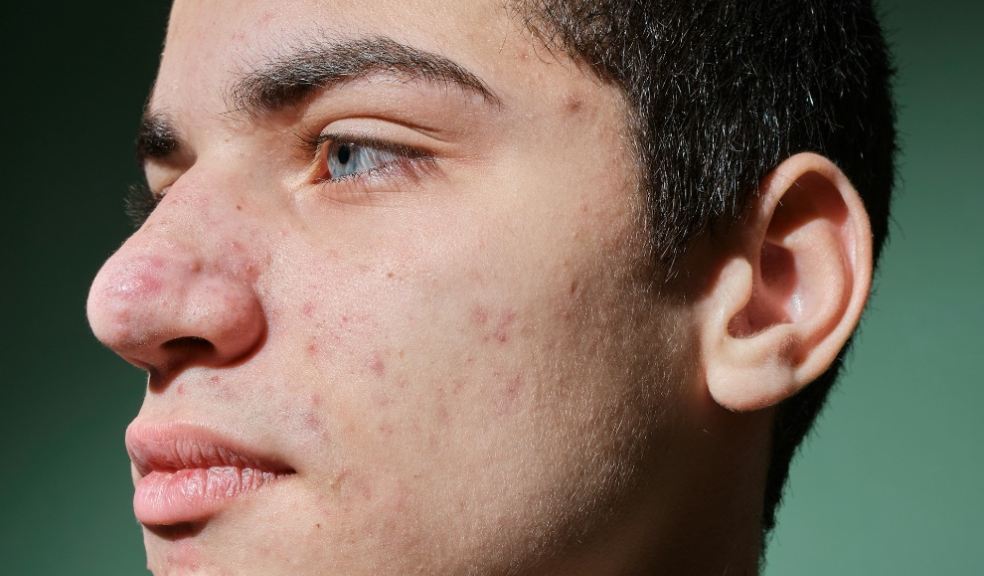
Raised acne scars often form not because the skin failed to heal, but because we didn’t support it at the right moment. A late response can mean the difference between a smooth recovery and permanent tissue damage.
Your skin works in phases. Miss the early signals, and you risk letting inflammation take the lead. That’s when scar tissue can start to build.
Here’s the difference between skin that recovers and skin that remembers.
Why Timing Matters in Skincare Application
Your skin is not static. It's constantly responding to changes such as inflammation, bacteria, hormones, and external irritants. When acne appears, your skin is already in a reactive state. This is the moment where timing becomes critical.
Apply active ingredients too late, and inflammation has already triggered a cascade of immune responses. The body rushes to repair damage, sometimes overcompensating with collagen, which can lead to raised scars. Apply harsh treatments too early, before the skin has calmed, and you risk further irritation and slower healing.
Timing also matters in relation to your skin’s natural repair cycle. For example, treatments like retinoids or chemical exfoliants work best at night when cell turnover peaks. Morning applications may reduce their effectiveness and increase sensitivity to sunlight.
Effective skincare isn't just about consistency. It’s about matching the product to the moment. When you align your routine with what the skin needs, you support regeneration instead of interfering with it.
How Delayed Treatment Affects Healing
The longer inflamed acne is left untreated, the more time it has to cause deep damage beneath the surface. Delayed action allows inflammation to settle into the skin’s deeper layers, increasing the likelihood of abnormal tissue repair, which often results in raised scars.
Here’s how delayed treatment interferes with the healing process:
- Inflammation lingers longer: Without early intervention, your skin continues producing inflammatory signals that break down healthy collagen and trigger excess scar tissue formation.
- Bacterial spread increases: Acne bacteria can multiply rapidly. When left unchecked, they worsen swelling and prolong the life cycle of each lesion, leading to more aggressive healing responses.
- Wound closure becomes imbalanced: The skin may attempt to seal the area too quickly or with too much force, resulting in dense collagen bundles that form raised scars instead of smooth tissue.
Why Early Irritation Creates Raised Tissue
Starting treatment too soon can backfire. Strong products on irritated skin may worsen inflammation and trigger raised scars.
The skin reacts to early stress by repairing too quickly, often forming thick, uneven tissue. Here’s why that happens.
1. Disrupted Inflammatory Response
Acne triggers inflammation, but using strong products too soon can worsen it. Ingredients like acids or benzoyl peroxide may overstimulate the immune system.
This keeps the skin in a reactive state and pushes it to heal faster than needed. As a result, excess collagen builds up in one area, forming thick, raised scars.
Instead of calming the skin, premature treatment can lead to overcorrection. For acne-prone skin, this becomes a fast track to hypertrophic scarring.
2. Premature Barrier Damage
The skin’s barrier protects against irritation and infection. When it’s weak, early use of exfoliants or retinoids can strip essential lipids, exposing deeper layers.
This triggers more inflammation, prompting the body to produce dense scar tissue. The result is often a raised, uneven texture.
Without a stable barrier, the skin cannot regulate repair properly. Waiting until the barrier is calm and intact before starting active treatments is one of the most effective ways to prevent raised acne scars.
3. Overproduction of Growth Factors
When the skin is irritated early, it releases growth factors that overstimulate collagen production before the wound has stabilised.
Fibroblasts respond by creating dense collagen bundles beneath the surface, which can result in firm, raised scars. Early irritation during healing may encourage thicker tissue to develop, which is often seen in hypertrophic acne scars.
Giving the skin time to calm reduces this overreaction and supports a more organised repair process that leads to smoother, healthier tissue.
4. Delayed Wound Maturation
Healthy skin healing follows a sequence: inflammation, repair, and remodeling. Early irritation disrupts this flow, keeping the skin stuck in the inflammatory phase.
When healing is delayed or disorganised, collagen forms without proper structure. This can lead to raised scars that are difficult to treat later.
Allowing the skin to calm before applying actives gives it a better chance to complete the healing process naturally and avoid chaotic tissue buildup. Skipping this pause often leads to long-term damage.
5. Heightened Fibroblast Activity
Fibroblasts produce collagen during wound healing. When the skin is irritated early, these cells may activate too quickly. Instead of supporting balanced repair, they deposit collagen in clumps.
This buildup causes the thick, raised texture seen in hypertrophic scars. Once this process starts, it becomes harder to reverse without professional help.
Giving the skin enough time before triggering fibroblast activity is key. A calm foundation helps these cells work efficiently, reducing the risk of visible scarring and uneven texture.
Skincare Timing That Supports Healthy Repair
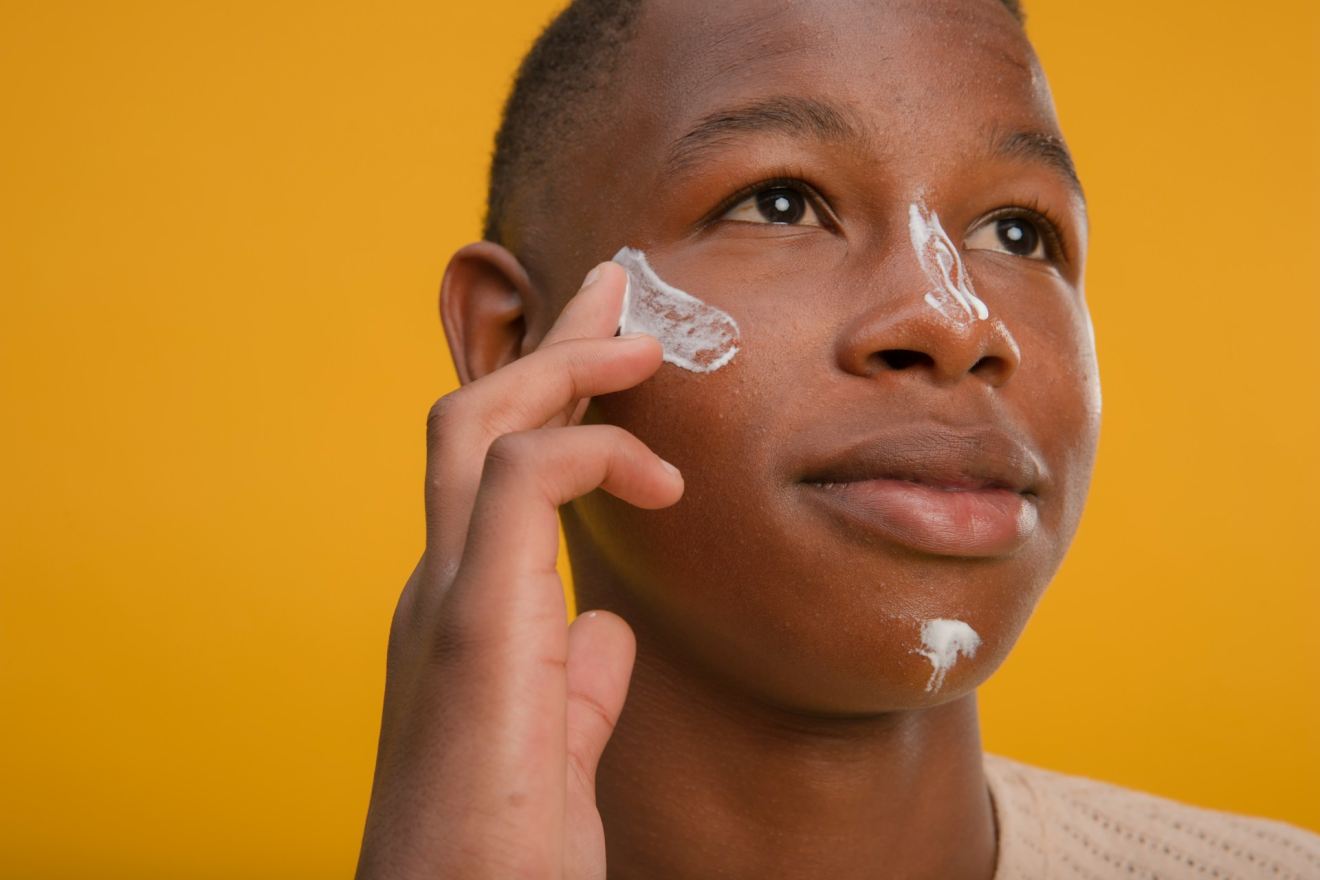
Supporting your skin through acne and healing isn’t about reacting fast. It’s about responding at the right time. When you apply treatments in sync with the skin’s condition and healing phase, you give it the best chance to recover smoothly without triggering excess collagen.
Here’s how to time your skincare for healthy repair:
1. Wait for the inflammation to reduce. Let active inflammation calm before using strong ingredients. A mild cleanser and soothing moisturiser are ideal during this phase. Introducing acids or retinoids too soon can disrupt recovery.
2. Rebuild the barrier first. Before applying actives, ensure the skin barrier is intact. Look for signs like reduced redness, no stinging when applying moisturiser, and minimal flaking. Ingredients such as ceramides, niacinamide, and panthenol help speed up this phase.
3. Introduce actives during the remodelling phase. Once the skin has calmed and begun healing, retinoids, AHAs, or vitamin C can support collagen remodelling and pigmentation control. Start gently and watch for irritation.
4. Use actives in the evening. The skin’s repair cycle is more active at night. Applying treatments in the evening enhances their effectiveness and reduces the chance of sun-triggered irritation.
5. Keep treatment windows short and monitored. Use strong actives for 6 to 8 weeks, then pause to assess the skin’s response. Overuse increases the risk of irritation. Pay close attention to how your skin feels and reacts throughout.
When to Seek Expert Advice
Not all acne or scarring can be managed with over-the-counter products. If breakouts are persistent, painful, or begin to leave raised marks, it’s time to consult a dermatologist or licensed aesthetic practitioner.
Early professional input can prevent long-term damage and reduce the need for corrective treatments later. Experts can assess your skin’s healing phase, recommend targeted interventions, and adjust your routine to suit your skin’s condition.
They may also suggest procedures like chemical peels, lasers, or microneedling, which are more effective when timed correctly. Trusting your instincts is important, but don’t wait for scars to become permanent before asking for help.
In many cases, expert guidance early on makes the difference between a quick recovery and a lasting mark.
Conclusion
Raised acne scars often form not from what you did, but when you did it. Timing shapes how your skin responds to injury and how well it heals.
Treating too early with the wrong products can cause more damage than doing nothing at all. Waiting too long also gives inflammation time to create deeper scars.
The key is to understand your skin’s healing phase and respond gently, not aggressively. Let your skin guide the pace.
Scars do not appear overnight. They are shaped by small decisions made daily or delayed just slightly beyond the right moment.