




Why Replacing a Missing Tooth Sooner Rather Than Later Changes Everything
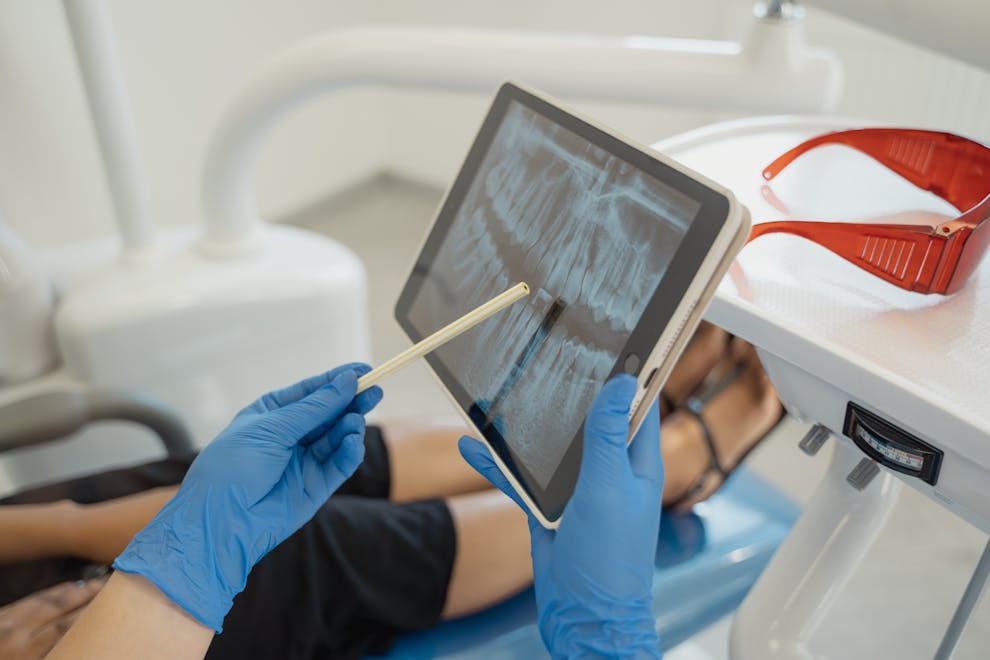
When a tooth is missing, the gap doesn't remain empty. An aesthetic issue that may be easily put off and managed quietly triggers a chain of clinical changes that becomes increasingly complex and costly over time. If you have lost a tooth, it is important to seek treatment for a new tooth implant in Glasgow or any other suitable treatment as soon as possible, not just for cosmetic reasons. It is a clinical decision with implications for the entire dental arch and the underlying bone.
What Happens to the Bone
The jawbone beneath a tooth root is maintained by the mechanical stimulation that biting and chewing transmit through the root into the surrounding bone tissue. When the tooth is lost, this stimulation ceases, and the bone begins to resorb, gradually reducing in both height and width. This resorption begins within weeks of tooth loss and progresses over the years. A patient who waits two or three years before pursuing an implant may find that the bone volume required for straightforward implant placement has decreased to the point that bone grafting is necessary before placement. Prompt replacement preserves the bone, making the simplest treatment approach possible.
The Drift and Tilt Problem
Teeth maintain their positions partly through contact with their neighbours and opposing teeth. As the space opens, the adjacent teeth gradually move towards it, and the opposite tooth in the other jaw pushes down or up into the space. These movements are slow, progressive and irreversible in the absence of intervention. A space that can be easily closed with a bridge or implant when the tooth is missing may become a more complex orthodontic and restorative problem if left open for several years.
Bite Changes and Their Wider Consequences
As teeth shift in response to a gap, the relationship between the upper and lower jaws changes. An altered bite places uneven loading on the remaining teeth, which accelerates wear on specific surfaces and increases the risk of chipping or fracture. Jaw joint discomfort and facial and neck muscle tension can develop as the jaw adapts to a changed occlusal pattern. These are consequences that patients rarely anticipate when they choose to defer tooth replacement, but they represent genuine clinical problems whose treatment costs significantly exceed the original restoration they delayed.
Adjacent Tooth Vulnerability
When a tooth is missing, the adjacent teeth have to bear extra stress. This extra stress causes wear and can lead to fracturing or cracking, especially in teeth that are already restored or have structural issues. The clinical irony of deferred tooth replacement is that the space left by a missing tooth often causes the adjacent teeth to deteriorate more quickly and, within a few years, can turn a 1-tooth problem into a 3-tooth problem.
Aesthetic and Psychological Dimensions
The visible gap affects more patients psychologically than they typically disclose to their clinician. Avoiding smiling, speaking carefully to conceal a gap, and feeling self-conscious in professional or social situations are quality-of-life impacts that accumulate over months or years of deferral. Patients who promptly proceed with replacement consistently report that the psychological benefit of a restored smile was greater than they anticipated, and that they regret the time they spent managing the social consequences of the gap rather than addressing it.
The Cost of Waiting
The bottom line for timely replacement is simple. A simple implant placed immediately after the tooth is lost is cheaper overall than one that requires bone grafting due to resorption. A bridge that is placed before adjacent teeth that have drifted significantly will need much less preparation than a bridge placed after the adjacent teeth have drifted out of ideal positions. The benefits of acting early on every dimension are compelling, as is the need to act promptly, since it is usually the more cost-effective and clinically appropriate route.