





Biology and the Bard combine for unique performance of Shakespeare's plays
The emotional and biological responses to some of Shakespeare’s most famous scenes will be used to create a unique live performance of the Bard’s works.
As part of celebrations for the 450th anniversary of the playwright’s birth, Conducting Shakespeare will see sensors fitted to the seats of audience members for a production at London’s Victoria and Albert Museum.
The measured responses to a particular scene will determine which is chosen to follow it, generating an audience-inspired and never seen before rendition of Shakespeare’s work.
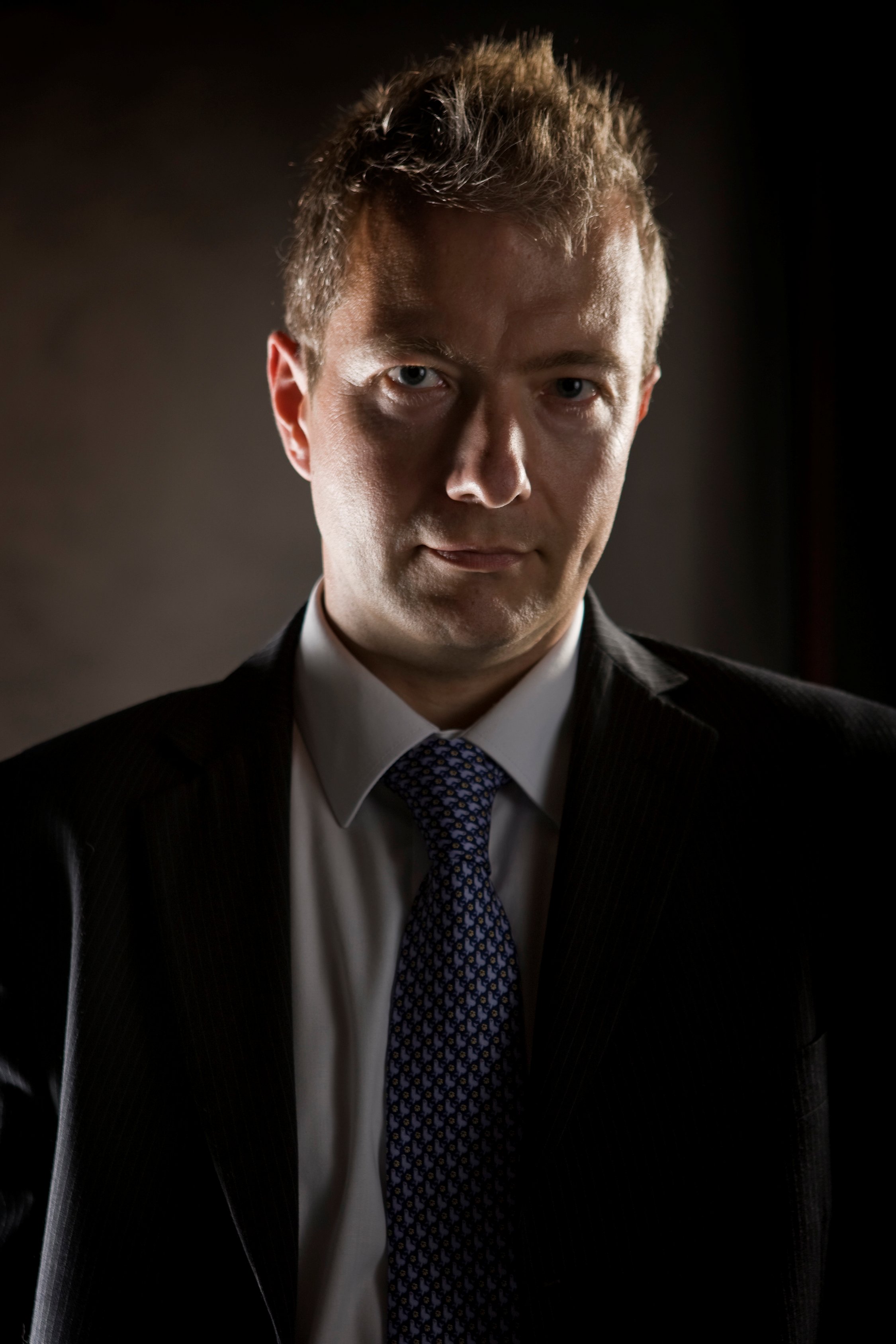
The performance experiment – expected to last around 30 minutes – has been developed by Dr Alexis Kirke and Dr Peter Hinds, from Plymouth University, in collaboration with the Guildhall School of Music and Drama.
Dr Kirke, from the University’s Interdisciplinary Centre for Computer Music Research (ICCMR), said: “Shakespeare always attempted to be in control of his audience’s emotions, manipulating both their mental and physical responses to his works. In essence, this is a natural extension of that but turns the tables somewhat in that the audience – consciously or subconsciously – will be the ones influencing the performance. His writing has a depth and profundity which stirs a range of feelings, but it will be fascinating to see how they can be used to create a new version of his works.”
The performance of Conducting Shakespeare, part of the V&A’s 2014 Shakespeare Festival, will take place in front of an audience of less than 100 people, with four volunteers connected to sensors which monitor their brainwaves, heart-rate, perspiration and muscle tension.
They will all watch scenes from plays including Romeo and Juliet, Macbeth, Hamlet and Titus Andronicus being acted out by Melanie Heslop and James Mack, recent graduates of the Guildhall School of Music and Drama.
Using a mathematical model, the “Valence-Arousal” model, Dr Kirke will then record the levels of physical and emotional response from the audience and direct the actors as to which scene should immediately follow it.
He will also aim to manipulate the emotional arc of the performance to form a patchwork of scenes which pitches the audience from comedy to conflict, and romance to tragedy.
Dr Kirke added: “When watching people like David Tennant, Sir Patrick Stewart and Dame Judi Dench playing the classic Shakespeare roles, I am always struck by how utterly engaged you become in the experience. Your whole mind and body are in thrall to almost every word, and it is hard to put into words precisely what you are feeling. Biology can perhaps allow us to view that dramatic experience, and contribute to it, in a way that words cannot.”