





How to Enhance Indoor Golf Experience
January rain can sit on Devon roads for days, and daylight fades before most people finish work. That is why many golfers look for a reliable way to practise at home during wet months. A spare room, garage corner, or small garden studio can become a steady practice space. With the right setup, you can work on contact and tempo without driving to a range.
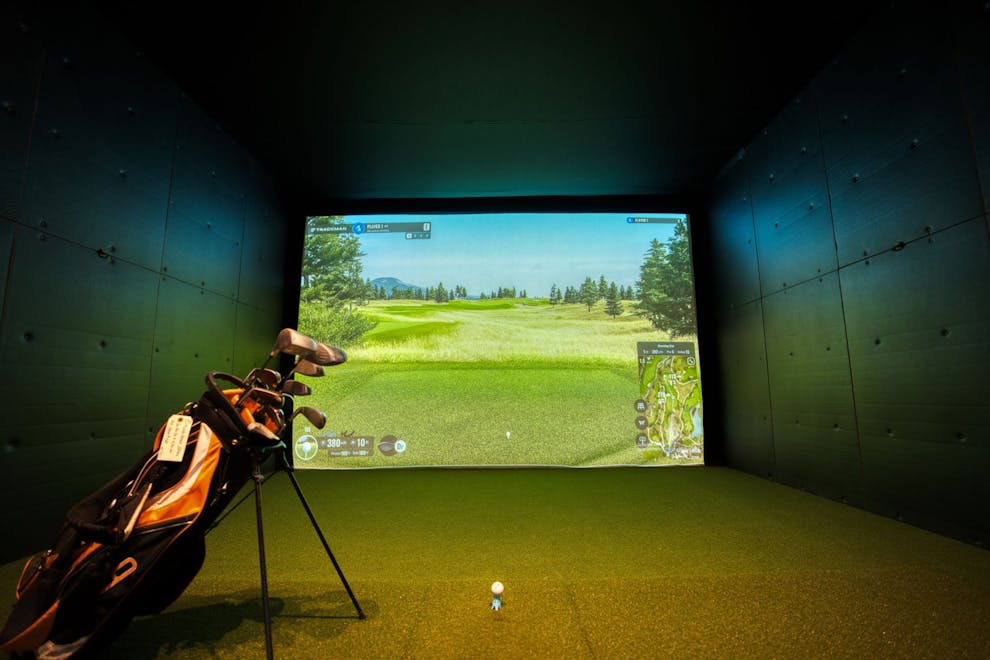
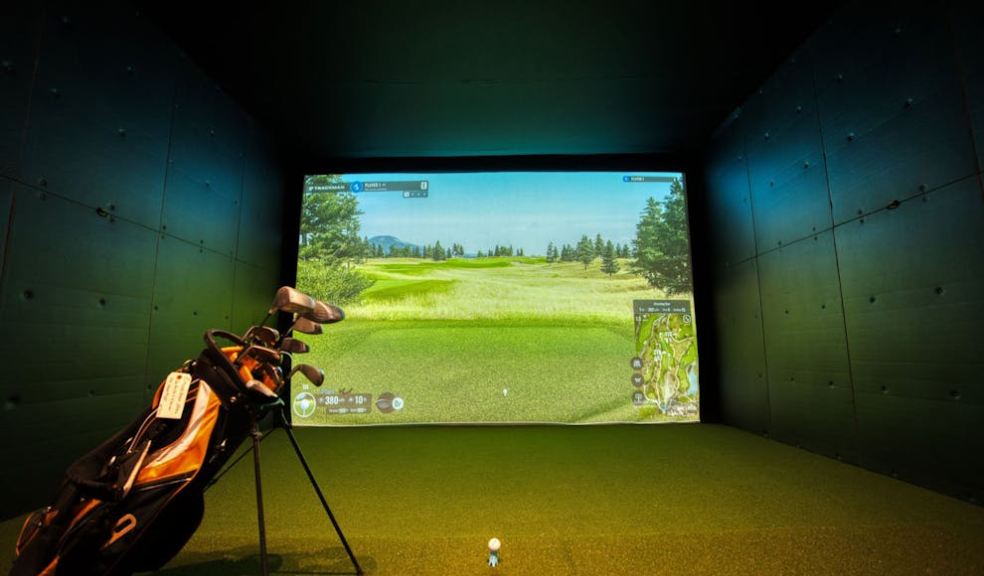
A good indoor setup starts with feedback you can trust, not guesswork from ball flight outdoors. Many local players use launch monitors and simulator software to track carry distance and club path. Products like skytrak golf simulators give that measured feedback in a compact unit that fits spare rooms. When feedback stays consistent from week to week, small changes in grip or alignment become easier to spot.
Start With A Space That Fits Devon Homes
Most Devon homes have rooms with mixed uses, so plan around daily life and storage needs. Measure ceiling height, hitting depth, and screen distance before you order any net or mat. A minimum ball flight of two metres helps readings stay stable, even with foam practice balls. If space is tight, set the tee line closer and use shorter clubs for swing drills.
Floor protection matters, because garages often have concrete and spare rooms may have timber boards. Use a thick golf mat to protect joints, and add a stable base underneath it. Place a small rug or rubber tiles behind the mat, so your trail foot does not slip. If you share the room, pack the mat and net into a single corner after sessions.
Light changes readings, especially for camera based monitors, so avoid glare from windows and lamps. Put the screen or net where it catches even light, then add a soft lamp behind you. Aim for one clear target line, using tape on the floor to mark stance and ball position. That simple reference can stop you drifting open when you hit ten balls in a row.
Choose Feedback Tools That Match Your Practice Goal
Indoor golf works best when your tools match what you want to practise that month. Some players want basic carry distance, while others want club path and face angle details. Read what each monitor measures, and check how it handles different balls and lighting before you buy. If you use more than one space, pick a unit that stores easily between sessions.
You will also need a safe strike area and a ball that suits your room and risk level. Real golf balls give the most accurate spin readings, but they need a strong screen. Foam or limited flight balls lower risk, and they suit wedge and short iron practice. Test one club first, then move up only when the setup stops rebounds and side shots.
A simple simulator setup usually needs four items, plus a phone or tablet for display.
- A launch monitor that records ball speed, launch angle, and side spin with consistent lighting.
- A hitting mat with enough thickness to reduce wrist shock during repeated iron strikes and driver swings.
-
A net or impact screen that stops the ball cleanly and reduces ricochet inside rooms.
Add a small tripod or stand, so the monitor stays level on uneven garage floors.
Indoor sessions also count as movement, so pace them like exercise, not like rapid ball feeding. The UK Chief Medical Officers set activity targets in the GOV.UK physical activity guidelines for adults and older adults. Use that guidance as a reminder to warm up, take breaks, and add strength work twice weekly. If you feel pain that persists, stop and adjust mat height, stance width, or swing length.
Build A Practice Plan That Feels Like Real Golf
Many indoor sessions fail because people hit balls fast, without a goal for each block. Use short blocks of ten shots, then pause to review one number from the monitor. Pick one key, like launch angle with a seven iron, and keep it for a week. That approach keeps progress visible, even when you only practise twice weekly after work at home.
Start each session with a warm up that raises body temperature and loosens shoulders safely. Five minutes of brisk walking on the spot works well in small spaces, and raises a light sweat. Then make slow swings with a wedge, focusing on balance through the finish for two minutes. Only after that should you hit full shots and chase distance numbers, once your tempo feels steady.
Keep Comfort, Safety, And Neighbours In Mind
Noise travels in Devon terraces and older cottages, so plan to keep impact sounds down. Use foam balls at first, and put a thick curtain behind the screen to mute hits. If you practise late, avoid driver swings after 9 pm, because the strike sound carries further outdoors. A small fan can also cut humidity in winter garages, which helps grip and screen dryness.
Safety also means protecting eyes, hands, and faces from rebounds and mis hits indoors during fast swings. Stand slightly off centre from the net, and keep bystanders behind your hitting line at all times. Wear a cap or clear glasses if rebounds have happened before, especially with firm balls. Check your net tension each session, because loose corners can send balls sideways toward doorways or shelves.
Ventilation matters in enclosed rooms, especially where garages have limited air movement and damp can build. The existing home ventilation guide on GOV.UK explains simple steps for safe airflow in everyday rooms. Open a window for ten minutes before you start, then again after you finish, to clear moisture and odours. If you use an extractor or trickle vent, check that it is clear and working.
Make It Social Without Leaving The County
Indoor golf can still connect you to Devon courses, leagues, and weekend rounds. Use simulator rounds to learn your distances, then take those notes to the first tee. Many players keep a small notebook for carry gaps, and it helps club selection outside. That record can also support junior golfers who practise at home between lessons and school matches.
If you want variety, rotate between skill games, target drills, and short virtual rounds every few sessions. One day can focus on wedges and chips, while another can focus on fairway woods. Mixing tasks keeps attention high, and it stops you from chasing one number all night. If you play with friends, agree on rules, like mulligans, to keep games fair and moving.
Devon weather can change fast, so indoor practice helps you stay ready for sudden dry spells. Keep your gear packed and your setup simple, so a short session feels easy to start. When you track shots, plan your next outdoor round with clearer club choices and safer targets for wind. That is the practical win, measured practice that fits real life, Devon weather, and limited daylight.