





How to Choose a Golf Buggy with a Reliable Warranty and Customer Support
Buying a golf buggy can feel simple at first. A buyer sees the seat, the controls, the battery range, and the price. The harder questions usually come later, often after the buggy has already been delivered. What happens if the battery stops holding a charge? Who carries out the repair? How long does the owner wait for parts? What if the buggy arrives and is not as expected?
Those are the questions that shape real ownership. For golfers in the UK, the risk is not the day of purchase. It is the weeks and months after. A golf buggy is used outdoors, charged regularly, stored through cold and wet spells, and relied on for weekly rounds. That is why a buyer should look at warranty terms and support quality before parting with their hard earned cash.
A reliable golf buggy warranty should do more than sound reassuring. It should explain what is covered, how long the coverage lasts, how a claim works, and who provides the repair. Good after-sales support should be just as clear. A buyer should know whether help is available at home, at a golf club, or only by return to base. When those details are transparent it helps to provide the re-assurance you need.
Start with the Written Warranty
Ask to see the warranty in writing before paying. That should identify the product, show the cover period, list what is included, and explain how a claim is made. It should also make clear what is included, whether travel is included, and whether the owner is expected to return the buggy, the battery, or both.
This step matters because many golf buggy warranties are split by component. The main buggy may have one term, while the battery has another. That distinction matters because the battery is one of the most expensive parts to replace. A broad promise of support sounds useful, but it does not help much if the most costly component has less cover.
Check Battery Cover Separately
Cover for the battery should also be checked. The useful questions are simple. How long is the battery covered for? What kind of fault is included? Is reduced performance covered, or only total failure? Does the warranty depend on following a specific charging routine?
These questions matter because battery care instructions often form part of the warranty conditions. If the owner is expected to charge the battery within a stated time after use, disconnect it once charging is complete, or top it up during long storage, those rules should be followed from day one. If they are ignored, a later dispute becomes more likely.
This is also where support quality matters. A long battery warranty sounds strong, but a buyer still needs to know what happens if the battery fails. Is there a simple swap process? Is testing carried out locally? Is the owner expected to ship the battery back for inspection? Clear answers reduce risk.
Read the Exclusions Before Making a Decision
The exclusions often tell a buyer more than the headline term. A warranty can look generous until the small print removes coverage for the parts most likely to wear or fail. That is, as a buyer, it's important to read the section on exclusions with care.
Worn items are commonly treated differently from defects. Tyres, wheels, trim, cosmetic marks, and damage caused by misuse may sit outside normal cover. A buyer should also check whether the warranty is affected by non-approved parts, non-approved chargers, aftermarket modifications, accidental damage, water ingress, or poor storage.
There is obviously a line between a fault and ordinary wear and tear. A golfer who plays year-round on wet paths and uneven ground should know in advance which issues are likely to count as maintenance rather than a warranty repair.
Ask How Repairs Are Actually Handled
Repair logistics are one of the most practical parts of the buying decision, yet they are often treated as an afterthought. A golf buggy is not a small gadget that is easy to post back. If something goes wrong, the owner needs to know where the repair happens, how the buggy is collected if necessary, and how quickly service can be arranged.
A buyer should ask these questions before ordering:
- Is warranty work carried out on site, at home, or at the golf club?
- Is there a local service network?
- Who pays for collection or travel?
- How long does a standard repair usually take?
- What happens if a part is out of stock?
For buyers in the UK, this can make a major difference to day-to-day ownership. A well supported model built around doorstep repairs or local agents is usually easier to manage than one that depends on packaging and freight for every issue. With ownership, convenience often matters as much as the written cover itself.
Look Beyond the First Year of Ownership
Some buyers compare warranties only by the first number they see. That can be misleading. Good support is not only about the first twelve months. It is also about whether the buggy can still be serviced later, whether common spare parts are available, and whether there is a clear route for paid repairs once the warranty ends.
A buyer should ask whether the seller keeps common items such as chargers, wheels, bearings, seats, and control parts in stock. And whether the same team handles post-warranty service or the owner is passed elsewhere.
This part of the decision often separates a short-term purchase from a long-term one. A buggy with a decent support network, available spares, and a realistic service path is usually the safer choice than a cheaper model with unclear backup.
Check the Claims Process Before Buying
A warranty is easier to trust when the claim process is clear. A buyer should know what evidence is needed, how the seller wants to be contacted, and how faults are assessed. Proof of purchase is usually the starting point, but some claims may also require photographs, a serial number, details of the fault, or battery care records.
A simple process matters because faults rarely happen at a convenient time. If the owner has to search for missing paperwork or chase several contacts just to start a claim, the warranty becomes harder to use in practice.
If the claim process cannot be explained clearly before the sale, it may not be easy after the sale either.
Used and Refurbished Golf Buggies Need the Same Checks
A used golf buggy can still be a sensible buy, but it should never be treated as a lower-detail purchase. The buyer should still ask for written cover, battery information, and service history. The condition of the battery matters especially because battery replacement can change the value of a used deal very quickly.
For a used or refurbished model, it's imperative to ask:
- whether the battery has been tested
- whether any parts have been replaced
- whether there is a service record
- whether the charger is original and included
- whether the warranty is retailer-backed and in writing
These checks reduce guesswork. They also help a buyer compare a used model against a new one on more than price alone.
Match Support Options to How You Will Use the Buggy
Not every golfer needs the same kind of support. A buyer who plays one local course every week may care most about quick home visits or a nearby service agent. A golfer who travels between clubs may care more about a wider service network. A buyer with a small buggy may place more value on easy loading, transport advice, and practical setup support.
That is why support should be judged in relation to real use. A seller who understands boot space, charging routines, storage, and transport issues is usually easier to deal with after the sale than one who only focuses on the specification sheet.
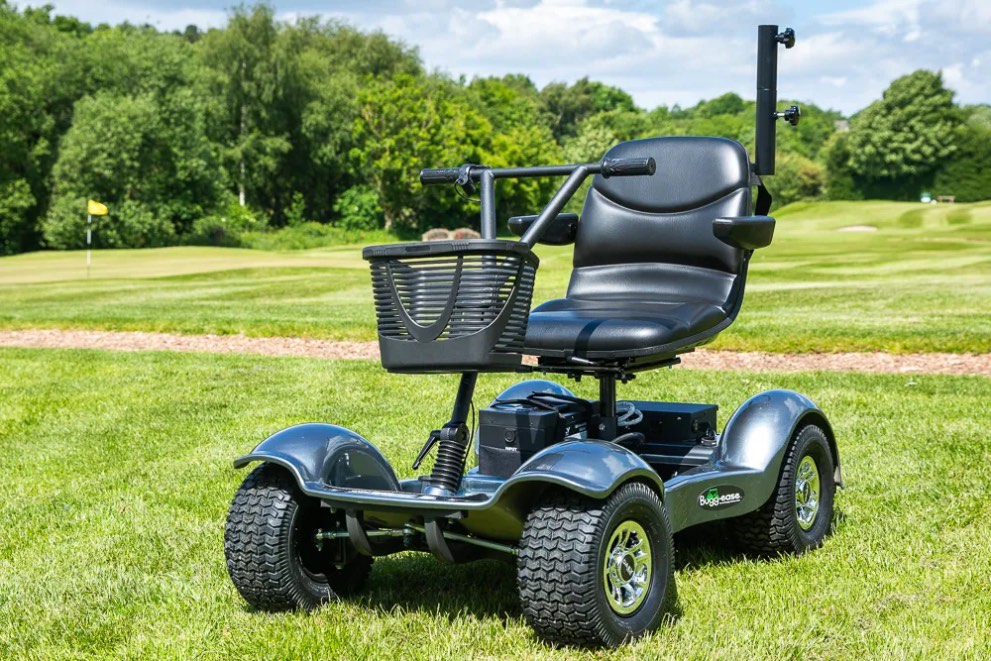
In the UK market, some single-seat options are sold with practical support features such as home or club demonstrations, local service coverage, and written battery-care guidance. That approach can be useful for buyers who want help with setup as well as repair. The best example in this part of the market is Bugg-Ease, where the offer is built around single-seat ownership rather than broad vehicle sales.
Do Not Confuse Store Policies with Legal Rights
A warranty is useful, but it does not replace legal rights. In the United Kingdom, goods sold to consumers must be of satisfactory quality, fit for purpose, and as described. If a product is faulty, the buyer may have remedies that exist separately from the seller’s own warranty. Buyers who order online, by phone, or by mail will usually also have cancellation rights for a limited period, subject to the normal legal rules and any exceptions that apply.
This matters because a short store return window does not remove statutory protection. A buyer should keep the seller’s goodwill policy, the written warranty, and legal rights as three separate things. They may overlap, but they are not the same.
It is also worth checking whether the order is a standard stock purchase or something configured to the buyer’s specification. That can affect cancellation rights, so the point should be clear before payment is made.
A Simple Checklist for Choosing the Right Golf Buggy
A buyer who wants a reliable warranty and support does not need a complicated buying formula. The safer route is to check the same practical points every time:
- Read the written warranty before paying.
- Separate the buggy cover from the battery cover.
- Read the exclusions.
- Check who backs the warranty.
- Ask how repairs are handled.
- Ask what happens after the first year.
- Confirm that spare parts are available.
- Check the claim process.
- For used models, ask for battery and service details in writing.
- Then compare those points before comparing smaller extras.
Final Thought
The right golf buggy is not simply the one that looks good on paper or arrives with the lowest price. It is the one backed by a sensible warranty, reliable customer support and a seller that is willing to help you - wherever you are. This is what gives buggy owners the confidence and re-assurance they need for long and happy ownership.