





Car Interior Detailing Products: Targeting Dust, Stains, Wear and Odours
People generally don't let their car's exterior get completely caked. Maybe it's because they're trying to keep up appearances or just hate having "wash me" written on the windscreen by neighbourhood rascals. Ironically, even though the cabin is the space actually occupied and used, it usually doesn't receive the same level of cleaning and attention as the exterior.
Why Keeping Your Car's Cabin Clean and Tidy Matters
Crumbs, coffee spills, kids' snacks, dog hair, dust from the vents… None of it seems like much on any given day, but it piles on. That's why it's a good idea to grab some interior care products and tend to it early on, because things can escalate pretty fast. Why should you care?
A dirty interior says more about you than a dirty exterior ever does. Anyone can wash a car in twenty minutes at a drive-through. And even if you don't, you can always blame it on the elements. A neglected interior is harder to hide and fake, and it can reveal a lot about your everyday habits. Apart from appearances, an unkept cabin directly affects comfort, safety, and resale value.
Car Interior Products and Accessories You'll Need
First things first: is detailing the same as cleaning? Not quite; the two are related but not the same. Cleaning is a routine form of upkeep, focusing on removing surface-level dirt and mess. For that, you can comfortably get by with an all-purpose spray, a couple of microfibre towels, and a household vacuum.
Detailing is a more thorough process that involves deep cleaning, conditioning, and protecting. As a result, shopping for interior care products is a more involved task too, as you'll need to get more than just a spray and rags. If you're building a detailing kit, here are some of the supplies you should include in your checklist.
Specialised Cleaners
From the seating area to the storage zone, every surface has different needs. What works for the trim won't necessarily work for the carpets. For best results, you should always use specially formulated products for the specific materials you're working on.
Carpets and Floor Mats
The flooring usually gets the worst of it: mud, dirt, and spilled drinks. To effectively clean carpets and floor mats, buy a dedicated cleaner that can lift the grime out of the fibres rather than just pushing it around. Apart from getting rid of trapped dirt and old stains, this also deals with odours at the root. Breaking down residue and pulling it out of the fibres removes what's actually causing the smell.
Seats
When it comes to the seats, choosing the right cleaner depends on the material. For fabric upholstery, choose a formula that can lift stains without soaking through and leaving a damp smell behind. If you have leather seats, opt for a specialised cleaner that can get into the grain without stripping and damaging the surface.
Windows
Ordinary cleaners can leave streaks or a hazy film on the inside of the windscreen. This is worse than it sounds, since it can affect visibility. That's why it pays to get a cleaner made for automotive glass.
Plastic and Vinyl Trim
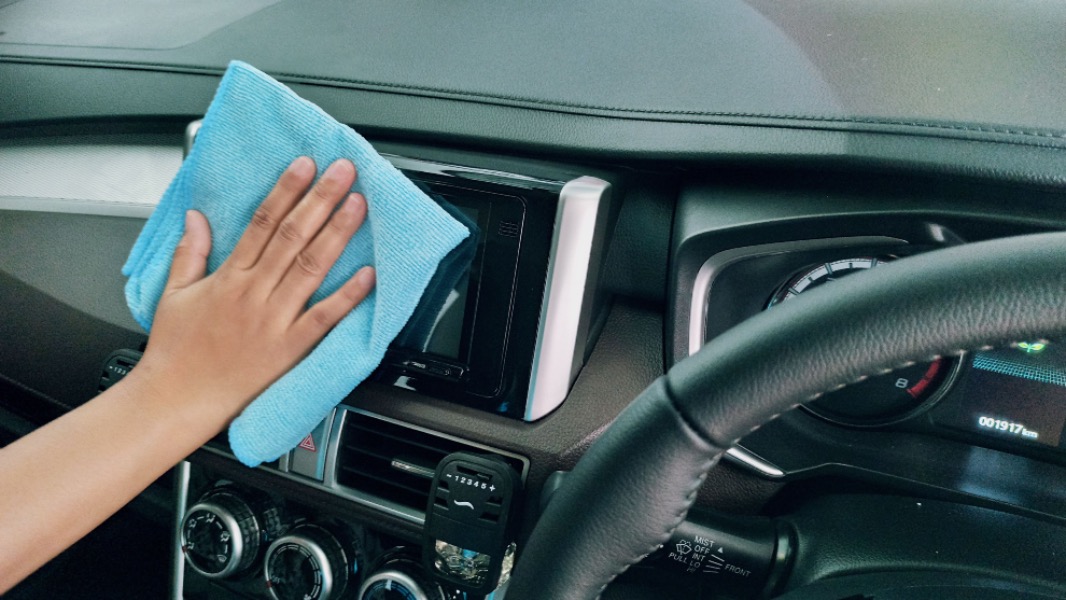
As some of the most frequently handled surfaces in the cabin, dashboards, door panels, and other trim collect dust, oils, and grime that can settle into a dull film over time. Choose a trim cleaner that can safely cut through that buildup without leaving the surface wet or slippery to the touch.
Conditioning Products
Once you've dealt with what's sitting on the surface, you'll need supplies that target what's happening underneath it. Leather dries out and cracks over time if it's only ever cleaned and never conditioned. Consider getting a high-quality balm or conditioner that nourishes, moisturises, and guards against premature wear and staining.
Plastic and vinyl trim can fade and become brittle under sun exposure. Treat these surfaces with a UV-protectant dressing to prevent piercing rays from breaking down the material over time.
Equipment, Tools, and Accessories
A powerful automotive vacuum that can handle both dry debris and spills is a bigger investment, but it's a worthwhile addition to any detailing kit. Still, even specialised vacuums can't always reach the dirt and dust hiding in vents, seat seams, cupholders, and other gaps, and rags won't get into those spots either. That's where detailing brushes and swabs come in handy. Their small size and precision make them ideal for reaching between trim pieces and awkward corners.
The Ideal Detailing Order
Once you've gathered your interior detailing supplies, it's time to get started. So, what is the best way to detail a car interior? Start by removing rubbish and loose items, then work from top to bottom, moving from dry to wet cleaning. This order helps prevent re-contaminating the areas you've already covered, keeping the process more efficient.
With the cleaning done and the surfaces dry, you can apply suitable protectants where needed and finish with a final wipe-down to remove any residue. As a cherry on top, add an air freshener to give the cabin a fresh scent that matches its spotless appearance.
Fine-Tuning Your Interior Detailing Technique
Detailing techniques matter just as much as the products themselves. At the risk of stating the obvious, here are a few friendly reminders that can save you time and effort, and prevent costly mistakes.
People generally don't let their car's exterior get completely caked. Maybe it's because they're trying to keep up appearances or just hate having "wash me" written on the windscreen by neighbourhood rascals. Ironically, even though the cabin is the space actually occupied and used, it usually doesn't receive the same level of cleaning and attention as the exterior.
Why Keeping Your Car's Cabin Clean and Tidy Matters
Crumbs, coffee spills, kids' snacks, dog hair, dust from the vents… None of it seems like much on any given day, but it piles on. That's why it's a good idea to grab some interior care products and tend to it early on, because things can escalate pretty fast. Why should you care?
A dirty interior says more about you than a dirty exterior ever does. Anyone can wash a car in twenty minutes at a drive-through. And even if you don't, you can always blame it on the elements. A neglected interior is harder to hide and fake, and it can reveal a lot about your everyday habits. Apart from appearances, an unkept cabin directly affects comfort, safety, and resale value.
Car Interior Products and Accessories You'll Need
First things first: is detailing the same as cleaning? Not quite; the two are related but not the same. Cleaning is a routine form of upkeep, focusing on removing surface-level dirt and mess. For that, you can comfortably get by with an all-purpose spray, a couple of microfibre towels, and a household vacuum.
Detailing is a more thorough process that involves deep cleaning, conditioning, and protecting. As a result, shopping for interior care products is a more involved task too, as you'll need to get more than just a spray and rags. If you're building a detailing kit, here are some of the supplies you should include in your checklist.
Specialised Cleaners
From the seating area to the storage zone, every surface has different needs. What works for the trim won't necessarily work for the carpets. For best results, you should always use specially formulated products for the specific materials you're working on.
Carpets and Floor Mats
The flooring usually gets the worst of it: mud, dirt, and spilled drinks. To effectively clean carpets and floor mats, buy a dedicated cleaner that can lift the grime out of the fibres rather than just pushing it around. Apart from getting rid of trapped dirt and old stains, this also deals with odours at the root. Breaking down residue and pulling it out of the fibres removes what's actually causing the smell.
Seats
When it comes to the seats, choosing the right cleaner depends on the material. For fabric upholstery, choose a formula that can lift stains without soaking through and leaving a damp smell behind. If you have leather seats, opt for a specialised cleaner that can get into the grain without stripping and damaging the surface.
Windows
Ordinary cleaners can leave streaks or a hazy film on the inside of the windscreen. This is worse than it sounds, since it can affect visibility. That's why it pays to get a cleaner made for automotive glass.
Plastic and Vinyl Trim
As some of the most frequently handled surfaces in the cabin, dashboards, door panels, and other trim collect dust, oils, and grime that can settle into a dull film over time. Choose a trim cleaner that can safely cut through that buildup without leaving the surface wet or slippery to the touch.
Conditioning Products
Once you've dealt with what's sitting on the surface, you'll need supplies that target what's happening underneath it. Leather dries out and cracks over time if it's only ever cleaned and never conditioned. Consider getting a high-quality balm or conditioner that nourishes, moisturises, and guards against premature wear and staining.
Plastic and vinyl trim can fade and become brittle under sun exposure. Treat these surfaces with a UV-protectant dressing to prevent piercing rays from breaking down the material over time.
Equipment, Tools, and Accessories
A powerful automotive vacuum that can handle both dry debris and spills is a bigger investment, but it's a worthwhile addition to any detailing kit. Still, even specialised vacuums can't always reach the dirt and dust hiding in vents, seat seams, cupholders, and other gaps, and rags won't get into those spots either. That's where detailing brushes and swabs come in handy. Their small size and precision make them ideal for reaching between trim pieces and awkward corners.
The Ideal Detailing Order
Once you've gathered your interior detailing supplies, it's time to get started. So, what is the best way to detail a car interior? Start by removing rubbish and loose items, then work from top to bottom, moving from dry to wet cleaning. This order helps prevent re-contaminating the areas you've already covered, keeping the process more efficient.
With the cleaning done and the surfaces dry, you can apply suitable protectants where needed and finish with a final wipe-down to remove any residue. As a cherry on top, add an air freshener to give the cabin a fresh scent that matches its spotless appearance.
Fine-Tuning Your Interior Detailing Technique
Detailing techniques matter just as much as the products themselves. At the risk of stating the obvious, here are a few friendly reminders that can save you time and effort, and prevent costly mistakes.
- Always follow the product instructions and test solutions on a small, hidden area before applying them more widely.
- Avoid using excessive pressure on delicate trim, leather, and other sensitive surfaces since this can wear down the finish over time.
- Get clean microfibre cloths for different areas since trapped dirt and grit in reused rags can cause scratches.
- When working with brushes, loosen dust and debris with gentle strokes. Digging or scrubbing can damage delicate surfaces or leave visible marks.
Closing Thoughts
With the right products, tools, and techniques, the cabin can remain a well-maintained part of the car rather than an afterthought. The exterior might be what everyone sees, but it's the inside of the vehicle that makes or breaks your driving experience. So, do yourself a favour and make interior care a habit; you'll be glad you did every time you get behind the wheel.
- Always follow the product instructions and test solutions on a small, hidden area before applying them more widely.
- Avoid using excessive pressure on delicate trim, leather, and other sensitive surfaces since this can wear down the finish over time.
- Get clean microfibre cloths for different areas since trapped dirt and grit in reused rags can cause scratches.
- When working with brushes, loosen dust and debris with gentle strokes. Digging or scrubbing can damage delicate surfaces or leave visible marks.
Closing Thoughts
With the right products, tools, and techniques, the cabin can remain a well-maintained part of the car rather than an afterthought. The exterior might be what everyone sees, but it's the inside of the vehicle that makes or breaks your driving experience. So, do yourself a favour and make interior care a habit; you'll be glad you did every time you get behind the wheel.