





What Every Guy Should Keep in His Car (and Why)
Most men don't give a second thought to what's sitting in their boot. Then they're stuck at the side of a road somewhere, it's hammering down, and they're wishing they'd bothered. A flat tyre with no working torch, a dead phone when you need to call someone, a bump where you can't remember what details you're even supposed to get from the other driver. All of it is fixable, but only if you've sorted things out before the moment hits.
So here's what you'll actually need in there, broken down into the stuff you're legally required to carry and the stuff that'll bail you out when everything goes wrong.
The Mandatory Kit You Actually Need
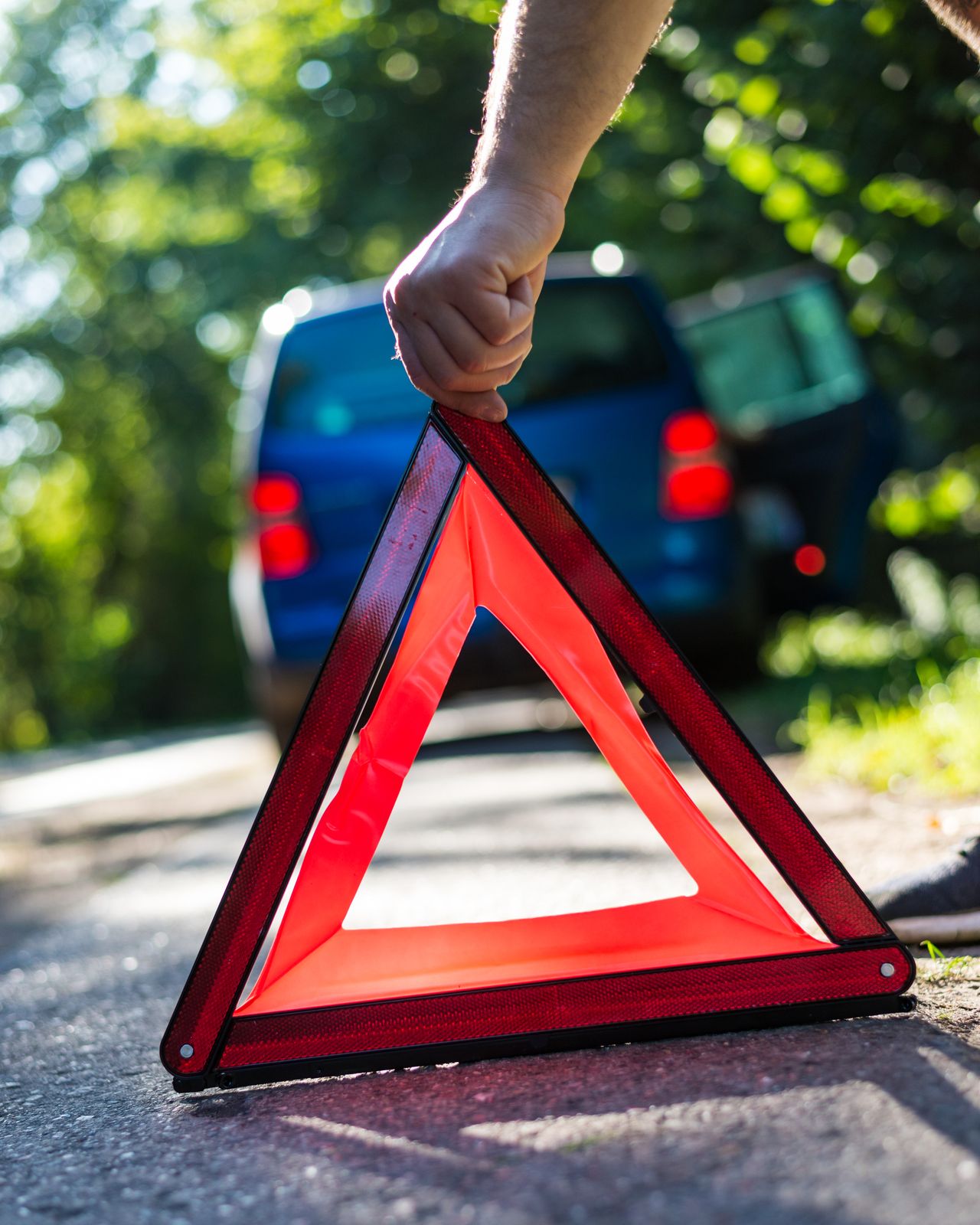
If you only drive in the UK, the legal side is pretty relaxed. You'll want a warning triangle if your car packs it in on the motorway, and your MOT certificate, insurance documents, and driving licence should be easy to get hold of (though you don't technically have to keep them in the car).
Drive in Europe, though, and it's a different story. France makes you carry a hi-vis vest for every passenger, and it has to be within reach inside the cabin, not stuffed in the boot where nobody can get to it. Most EU countries ask for a warning triangle too, and some will also want a first aid kit and a breathalyser in the car. If you don't have them, you could get fined on the spot.
The easiest thing to do is grab a European breakdown kit. They're about £15 to £25, come with a hi-vis vest, a triangle, and some first aid basics. Just keep one in the car all year. Even if you never leave the country, that hi-vis vest and triangle will come in handy if you break down on some dark back road at midnight.
A USB Battery Pack and a Torch That Works
Your phone is your lifeline when something goes wrong, and it'll always be sitting at 6% the one time you actually need it. A decent USB battery pack costs under £20 and will give you a couple of full charges. Chuck it in the glovebox and remember to top it up once a month.
You'll also want a proper torch to go with it. Not the one from the pound shop with the corroded batteries that barely turns on. Get yourself a small rechargeable LED torch that throws enough light to actually see under the car or change a tyre when it's dark out. Some people keep a head torch instead so their hands stay free, which is honestly the better shout.
Dashcam and Accident Prep
A dashcam is the best bit of kit you can buy as a driver, full stop. If someone rear-ends you at a roundabout and then tells their insurer you reversed into them, the footage kills that argument dead. You can pick up a good one from about £50, and the peace of mind alone makes it worth every penny.
What to Do After an Accident
But the dashcam only covers one side of things. What you do in the first ten minutes after a collision matters just as much, and most people completely blank. They panic, forget to get the other driver's details, and then ring their own insurer out of habit. That can mean paying an excess, putting your no-claims bonus at risk, and waiting weeks before anything gets sorted.
Here's the thing most drivers don't know about. Sometimes, you don’t even have to call your insurance. If the accident wasn't your fault, a specialist claims management company can go directly to the other driver's insurer on your behalf. No excess, no damage to your no-claims discount, and you'll get a like-for-like replacement car while yours is being fixed. Specialists in non-fault car accident claims will sort the repairs, deal with the paperwork, and even connect you with an injury solicitor if you need one. It won't cost you a penny.
Save a note on your phone right now with what to do after an accident:
- Remain calm
- Get to a safe spot
- Take photos of the damage
- Swap details with the other driver
- Write down the time and location
- Keep the number of a non-fault claims specialist in there too. You'll be glad you did if the day ever comes.
Your Physical Insurance Documents
Yes, you can pull your insurance up on your phone. But phones die, screens crack, and mobile signal isn't always there when you need it. Print off a copy of your insurance certificate and policy number and stick it in the glovebox.
A laminated card with your insurer's phone number and your policy details takes up no space at all and could save you twenty minutes of stress at the worst possible time.
A Kit That Earns Its Place
None of this gear is expensive or complicated. A hi-vis vest, a battery pack, a dashcam, a torch, a first aid kit, and your insurance documents. The whole lot fits in a small bag in the boot and costs less than a tank of fuel. Sort it out this weekend and you won't have to be the bloke standing at the roadside with no idea what to do next.