






A First-Time Visitor’s Guide to Devon
Devon is one of England’s most varied counties, known for its long coastline, open countryside, and two contrasting national parks. It sits in the south-west of the country and offers visitors a mix of seaside towns, rural villages, and wide moorland views. First-time visitors often find it takes a lot of time to explore all the different elements that Devon offers, whether it be the bustling coastal resorts or the quieter inland lanes. So with that being said, today, we will be taking a look at a guide for those visiting the area for the first time, including what to expect and some key locations to spend some time at.
Where is Devon, and why is it Unique?
Devon lies in south-west England, bordered by Cornwall, Somerset, and Dorset. It is one of the few counties in the UK with two separate coastlines, facing both the Bristol Channel and the English Channel. It is also home to two national parks, which give it a rare mix of coastal scenery and wild inland landscapes. This variety is what makes Devon especially appealing to visitors who want both seaside days and countryside exploration in one trip.
North vs South Devon
North Devon has a wilder feel to it, with high cliffs, surf beaches, and the full force of the Atlantic shaping the coastline. On the other hand, South Devon is generally more sheltered with calmer waters and a few quieter bays that are much better suited for those seeking a more relaxed day by the sea. This is contrasted as you move more inland, the scenery begins to shift towards farmland and open moorland. Because of these differences, each part of the county can feel like a completely different place, which is why many visitors prefer to base themselves in one area rather than trying to cover everything in a single trip.
Best Areas to Base Your Stay
One of the most practical places to stay is Exeter, which offers transport links, history, and easy access to both coast and countryside. Other popular bases include various coastal towns, such as Torquay or Sidmouth, depending on the type of holiday you want. Each location has its own unique character, ranging from busy seafronts to quieter historic centres, so it is recommended to choose the area you stay based on the type of surroundings you prefer.
Must-Visit Coastal Destinations
Devon’s coastline is one of the main selling points of the area, offering long sandy beaches and sheltered coves as well as some more traditional harbour towns. Places like the English Riviera are popular amongst those who prefer a more classic seaside experience, while the quieter stretches of the coast can offer scenic walks with fewer crowds. Many coastal areas also connect to the South West Coast Path, which allows for longer walks between villages and viewpoints along the cliffs.
Exploring Dartmoor National Park
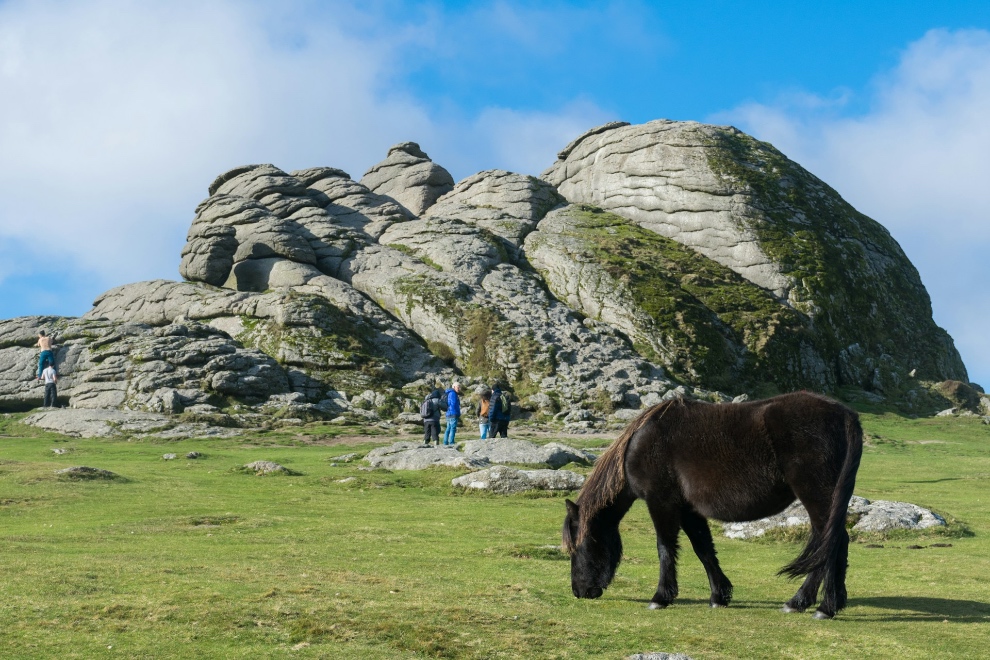
Dartmoor National Park is a large open moorland area known for its granite tors, wild ponies, and ancient history. It covers a wide inland space in the centre of Devon and feels very different from the coastline. Visitors often come here for walking, photography, and quiet landscapes. The area also has archaeological sites and stone circles, showing how long people have lived and worked on the moor.
Navigating Devon
Travelling around Devon can take longer than expected because of its rural roads and spread-out towns. While rail links connect main locations, many rural areas are easier to reach by car. Bus services are available, but as a result of the countryside, they can be less frequent, so it is important to plan ahead. Journeys between coastal towns and inland areas often involve more winding roads, which could add to the extra travel time, even over short distances. As a result, many visitors choose to bring books, podcasts, films, or digital entertainment with them for longer journeys, including online games and titles such as the Big Bass Bonanza slot.
Food and Drink in Devon
Devon is well known for its food traditions, especially when it comes to cream teas and local seafood made with regional produce. Fresh fish is very common along the coast, while more inland, it offers some local farm-grown ingredients. Cafes and tearooms can be widely found across the county in almost every town and village, reflecting the strong food culture. Many visitors also enjoy trying traditional baked goods and locally produced dairy during their stay.
When is the Best Time to Visit?
Most people tend to visit Devon between late spring and the summer months, when the weather is generally milder, and the coast sees the most activity. Spring and autumn are often more relaxed times to visit, which makes it a perfect time for quiet walks and fewer crowds at the tourist spots. Winter is even calmer, although some attractions may not be fully open, but summer can offer a huge range of activities with large crowds visiting tourist spots. In the end, the right time to go really depends on whether you are looking for lively seaside days or something more peaceful and slow-paced.
Promotional content.