





How Weather Shapes Modern Patio Design Choices
Modern outdoor spaces used to focus primarily on furniture sets and flower beds. Recent years shifted this perspective significantly. Homeowners now face a reality where climate volatility dictates every design choice tied to patio design.
A beautiful patio fails if it becomes a swamp during rain or a furnace during July. Here's how weather-based design choices streamline maintenance, optimize outdoor comfort, and provide long-term value.
Material Performance
Weather-driven selection outweighs simple style trends today. Using natural stone paving with varied surface textures offers durability but requires specific sealing. Choices like porcelain paving slabs resist moisture absorption and stains better than most options. Composite decking provides a wood-like look without the risk of rot.
UV resistance determines how long colors stay vibrant. High-quality materials prevent fading from constant sun exposure. Low moisture absorption prevents internal damage during wet seasons. Durable choices reduce the time spent on annual maintenance tasks.
Experts like the teams at One Stop Patio Shop, for instance, recommend Australian-made materials for their superior local resilience. High-quality components can withstand harsh UV rays and intense temperature shifts over several decades. Skilled builders ensure the final construction meets specific lifestyle needs while staying within the project budget.
Heat Management
Rising temperatures change how people plan their outdoor layouts. High-heat areas require careful orientation to maximize afternoon shade. Selecting lighter finishes for flooring prevents the surface from absorbing excessive thermal energy. Modern concrete paving slabs and heat-reflective pavers keep the ground comfortable for bare feet.
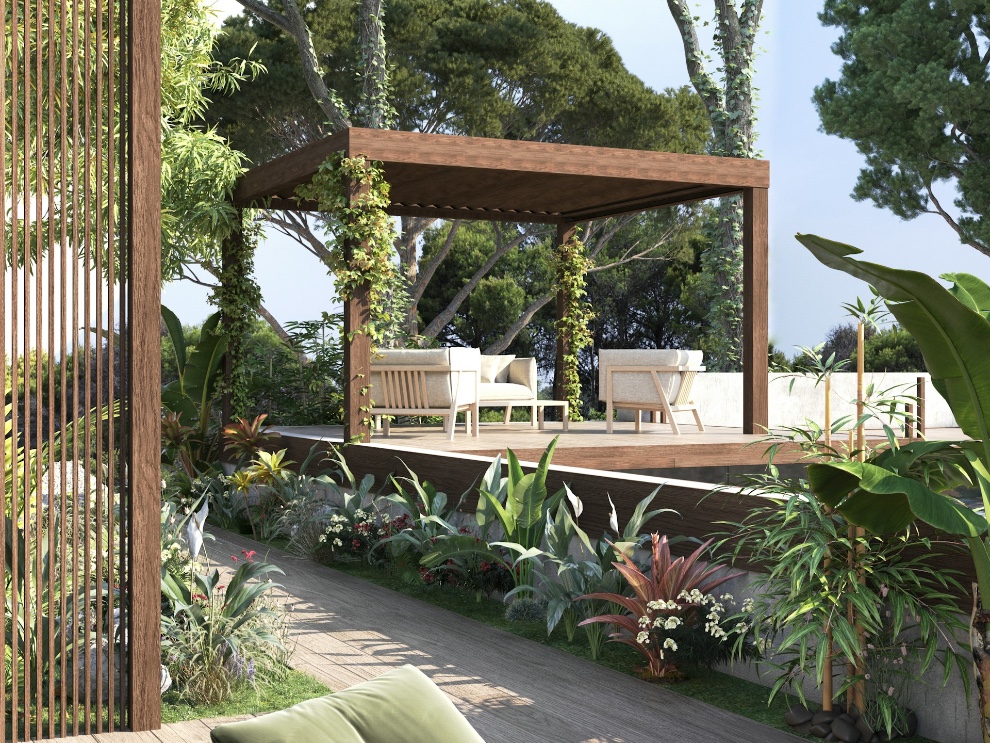
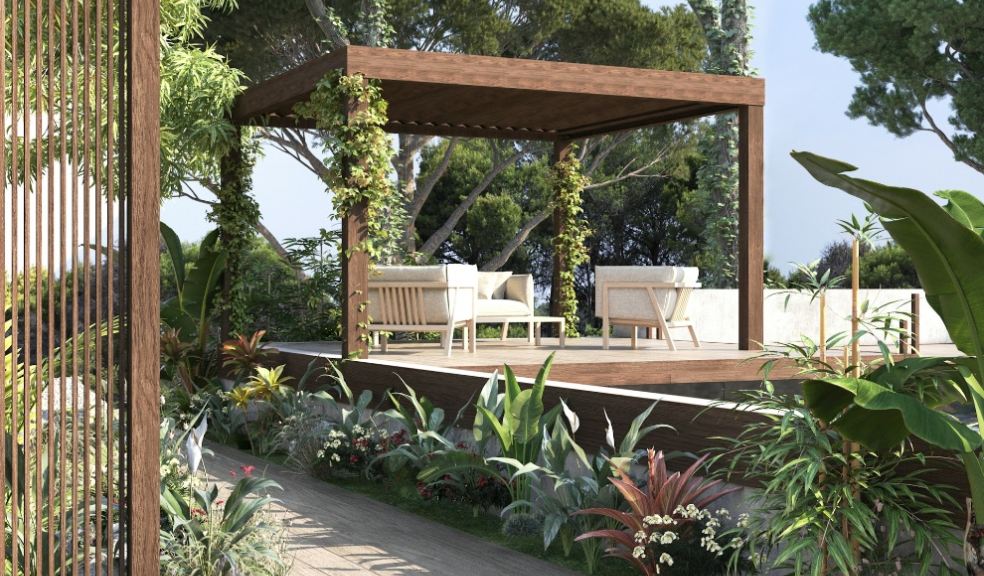
Smart shading goes far beyond the traditional umbrella. Adjustable pergolas allow for precise control over sunlight throughout the day. Rotating slat systems block direct rays while encouraging airflow. Retractable roof panels offer a total shield when the sun feels too intense.
Passive cooling relies on clever architectural spacing. Elevation changes help move heavy, hot air away from seating zones. Open framing allows breezes to pass through instead of hitting a wall. These small adjustments create a naturally cooler environment without mechanical help.
Rain Readiness
Heavier rainfall transforms the way builders approach foundations. Standard slopes might not handle modern downpours anymore. Permeable carpet stones with slip-resistant surfaces allow water to sink directly into the ground. Modular decking systems prevent puddling by letting moisture slip through the cracks.
Integrated drainage keeps the area dry and functional. Hidden channels move water away from the house foundation efficiently. Gravel borders act as natural filters for heavy runoff. Water-directing joint patterns guide liquid toward garden patios instead of the center of the living space.
Rain-positive designs turn a challenge into an asset. Some homeowners collect runoff to nourish nearby greenery. Others use directed water to feed decorative cooling features. This approach treats rain as a resource rather than a nuisance.
Wind Adaptation
High winds turn lightweight chairs into dangerous projectiles. Layout planning for garden paths now includes natural or structural windbreaks that protect surrounding outdoor spaces. Slatted screens provide privacy and break the force of a gust. Green walls or staggered planters offer a soft barrier that looks beautiful.
Flexible designs prioritize airflow during the humid summer months. These structures provide essential shelter when a storm rolls in. A well-placed screen blocks a chilly breeze without sacrificing the view.
Anchoring strategies keep decor secure during high-wind events. Weighted bases and recessed fasteners provide stability. These methods preserve a clean, modern look. Heavy furniture choices ensure the patio remains intact regardless of the forecast.
Cold Climate Design
Colder regions no longer abandon the outdoors once the leaves fall. Designers rethink these areas as four-season living zones. Materials must resist the constant cycle of freezing and thawing. Porcelain and specific stone types prevent cracking or warping during winter.
Heating solutions now integrate seamlessly into the architecture. Radiant floor systems keep the ground warm even in light snow. Built-in fire features create a focal point and a heat source. Infrared heaters provide instant warmth for those sitting nearby.
Zoning allows for partial use of the space during the frost. Small, protected corners stay cozy even when the rest of the yard is dormant. Clear partitions block the cold while letting in winter sunlight. This maximizes the investment throughout the entire year.
Furniture and Lighting
Modern furniture design accounts for more than just aesthetics while supporting a low-maintenance design approach. Quick-dry foams prevent mold growth after a storm. Breathable fabrics keep users comfortable during humid afternoons. Modular pieces allow for easy rearrangement as seasons change. Durable garden dining accessories with weighted bases prevent tabletop items from shifting during sudden gusts of wind.
Storage-integrated benches keep cushions dry and clean. Stackable designs make winter storage much faster. Weight balance remains a priority for windy locations. Heavy frames ensure the patio furniture stays exactly where it belongs.
Weather-rated fixtures prevent electrical issues during heavy rain. Corrosion-resistant finishes protect against salt air or humidity. Adaptive lighting shifts brightness based on the cloud cover. These systems respond to the environment automatically.
Smart Features and Flexible Layouts
Technology now bridges the gap between comfort and climate. Weather-sensing pergolas close their slats the moment rain starts. Automated shades lower themselves when the sun hits a certain angle. Moisture-detecting covers protect expensive equipment from unexpected morning dew.
App-controlled systems allow for real-time adjustments from anywhere. Users can pre-heat the seating area before they step outside. These tools act as practical solutions for modern living. Smart features transform a standard yard into a responsive environment.
Conclusion
Adapting to shifting seasonal patterns, modular layouts offer the ultimate versatility for modern homes. When you prioritize the local climate, you ensure a design remains functional and inviting throughout the years. Long-term enjoyment of the outdoors stems directly from planning for environmental change. Working with nature, rather than fighting against it, defines the most successful and enduring spaces.