





Fire Safety Rules Every UK Homeowner Should Understand in 2026
It’s easy to think of fire safety as something for landlords, high-rise managers, or developers juggling building regs and paperwork. But if you’re a homeowner, whether in a terrace, a flat, or a semi-detached with a new loft conversion, fire safety touches your life more than you might realise.
And 2026 is a year worth paying attention to. There are updates coming into force in England, and some long-standing basics that are more relevant than ever. Not because they’re new, but because they still save lives.
This isn’t a checklist-first, jargon-heavy guide. It’s the kind of calm, practical run-through that helps you figure out what matters in your house, what applies to your renovation plans, and what you can feel confident about ticking off.
Start Here: The Basics That Still Matter Most
You don’t need to wait for new rules to do the essentials. They haven’t changed, and they’re the reason most serious house fires are avoidable.
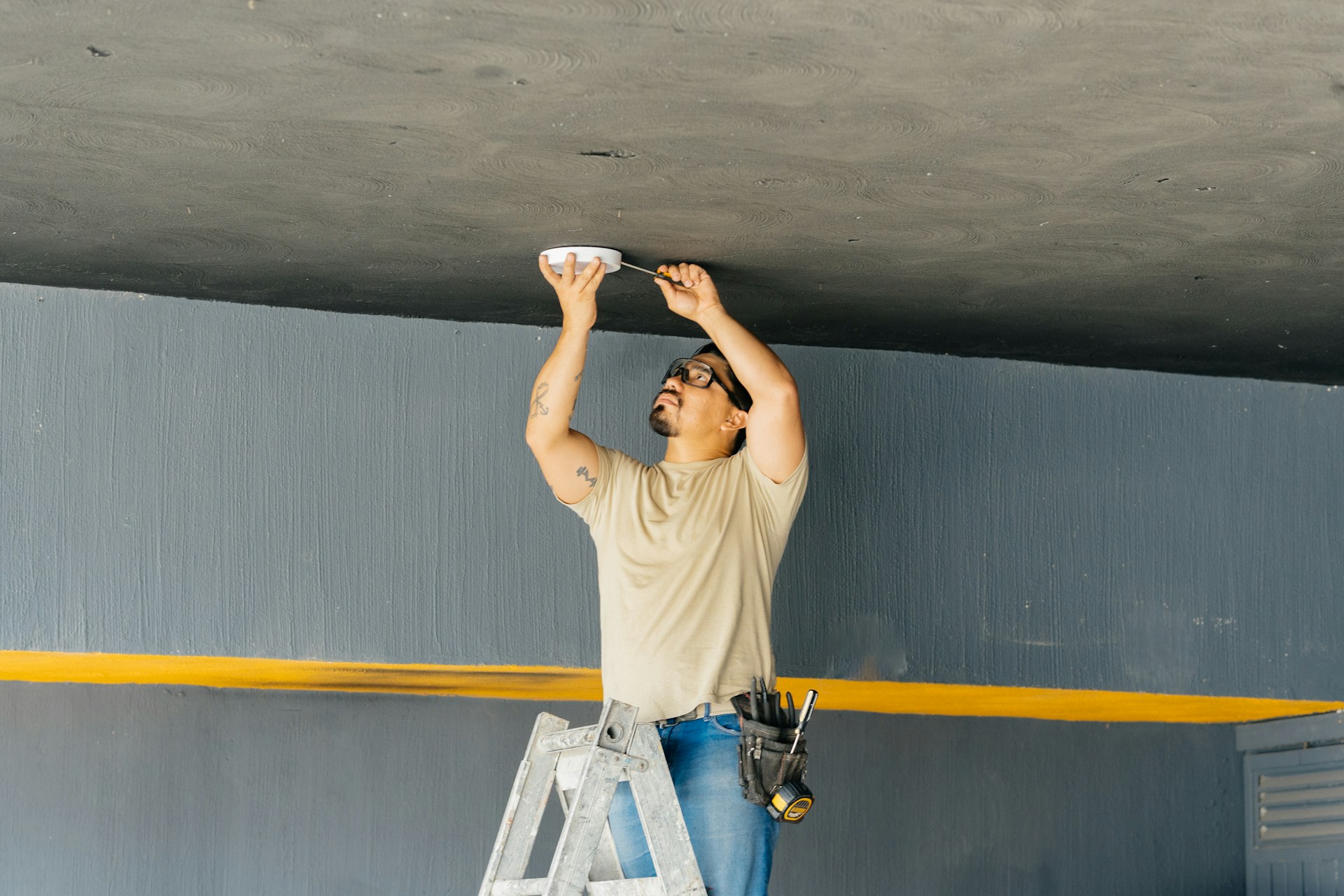
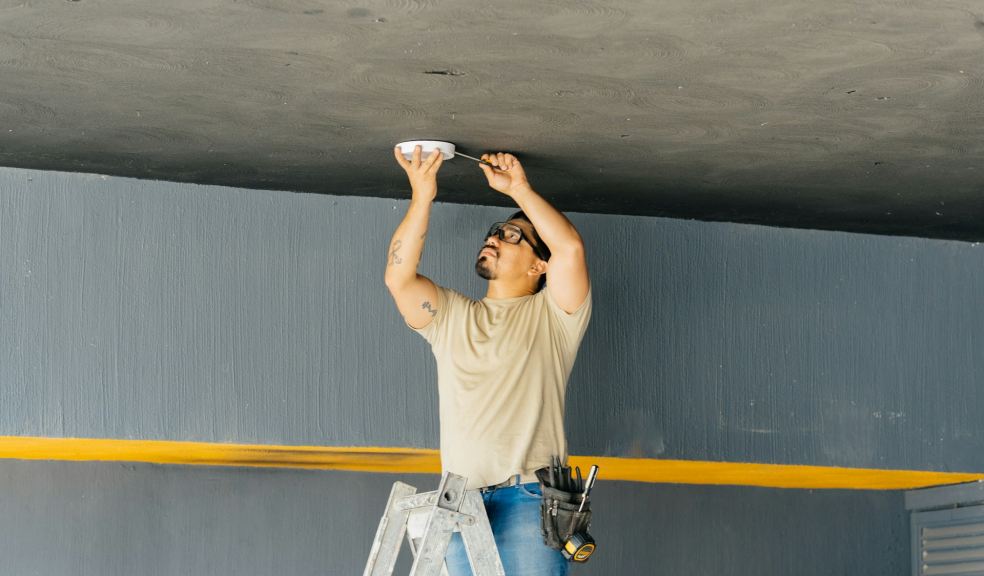
Take your alarms. You need at least one working smoke alarm on every level of your home. A heat alarm in the kitchen helps reduce nuisance alarms (and stops people removing batteries when the toast sets one off). And a carbon monoxide alarm is essential anywhere you’ve got a fuel-burning appliance, think boiler, gas fire, or log burner.
If you haven’t tested your alarms this month, now’s the time. Press the button. If nothing happens, replace the battery or the unit.
Also worth doing: a quick walk around your home. Are the exits clear? Do you know where your keys are? Is your charger plugged in on a pile of clothes? A great resource where the basics are covered in more depth is the Latham’s UK Fire Regulation Guide with a lot of valuable information.
So What’s Actually Changing in 2026?
Let’s clear something up. If you’re a homeowner in England, especially in a standard house, most of the new 2026 rules don’t apply directly to you.
But they’re still worth knowing. Here’s what’s new:
April 2026: Residential Evacuation Plans
From April, certain higher-risk residential buildings in England will need formal evacuation strategies for residents who can’t self-evacuate. This mostly affects managed blocks of flats, not houses.
Still, if you own a flat and you’re on a resident management company, or you live in a block with a communal entrance, it’s worth asking: who’s responsible for fire safety? Are evacuation plans being reviewed?
September 2026: Updated Building Guidance
A bigger change arrives at the end of September. Updates to Approved Document B, which is the government’s statutory fire safety guidance for buildings, will make second staircases mandatory in new residential buildings over 18 metres.
This doesn’t affect existing homes. But if you’re buying into a new development, or doing significant structural work, it’s something to be aware of.
If you’re not building or renovating, most of this falls under “good to know” rather than “do this now.”
What Homeowners Actually Deal With
It’s easy to get lost in legal terms, so let’s break it down.
You’ll come across Building Regulations when you:
- Convert a loft
- Change how your home is laid out (say, removing a hallway or creating open-plan space)
- Replace doors near staircases or main escape routes
This is where fire safety might mean you need specific doors (more on that in a moment), upgraded alarms, or escape-friendly layouts. If you’re submitting anything to Building Control, they’ll flag this.
Electrical work is another one. Under Part P of the Building Regulations, certain work, like installing a new circuit or wiring in a bathroom, must be carried out by a registered electrician or notified to your local council. You should get a certificate for this.
Gas safety isn’t regulated the same way for owner-occupiers as it is for landlords, but using a Gas Safe registered engineer for servicing and installations isn’t just smart, it can prevent carbon monoxide risks and fires caused by faulty boilers or cookers.
Then there’s the guidance. It isn’t law, but it’s widely accepted as the standard for safety:
- Smoke alarms: One per floor, interlinked if possible
- Heat alarm in the kitchen
- Carbon monoxide alarm in rooms with solid fuel or gas-burning appliances
- A basic escape plan, especially if you have kids, guests, or people with mobility needs
Let’s be honest: most people skip the escape plan. But if you’ve ever tried to get everyone out of the house on a normal school morning, imagine doing it in smoke and darkness. A little preparation makes a difference.
Fire Doors, Flats, and Lofts: When They Actually Matter
If you live in a flat, the door to your unit is probably a fire door. It’s part of the building’s overall fire strategy. It should shut itself, seal properly, and not have any big gaps or damage. If something feels off, like it sticks open or drags, you can raise it with the managing agent or building owner.
For houses, fire doors usually come into play when you add a storey. Loft conversions that create a three-storey layout generally require fire-resisting doors on rooms leading to the stairwell, to create a protected escape route.
These don’t have to be ugly, industrial things. There are domestic-grade fire doors that look like normal internal doors, but they close properly, seal smoke, and resist fire for 30 minutes or more.
If you want the deeper technical detail on fire door ratings, checks, and where they’re typically required, here’s a useful explainer: UK fire door regulations explained
Here’s a quick self-check if you’ve got one:
- Does the door close fully and latch without slamming?
- Are the intumescent and smoke seals intact?
- Are the gaps around the door small and even (about the width of a pound coin)?
- Is anything stopping it from closing, like a rug or shoe rack?
The Things That Still Cause the Most Fires
Despite all the guidance and gadgets, most fires at home start the old-fashioned way.
Cooking is still the leading cause. Unattended pans, greasy cookers, tea towels left near the hob. It’s quick, and it’s preventable.
Electrics come second. Overloaded extension leads, DIY jobs gone wrong, or faulty appliances. If you’re not sure about your wiring, or you’re using more plug-in devices than sockets were ever designed for, it’s worth a look.
Candles, heaters, and smoking are still common culprits. Portable heaters pushed up against blankets. Cigarettes not fully extinguished. Candles left burning on shelves.
Then there’s charging. Lithium-ion batteries, the kind in e-bikes, scooters, laptops, phones, can overheat and ignite if they’re damaged, overcharged, or covered.
A safer charging routine:
- Plug into the wall, not an overloaded extension lead
- Keep chargers and devices on a hard, uncovered surface
- Don’t charge overnight if you can avoid it
- Never charge near your exit routes
- Always use the charger that came with the device
What’s Worth Keeping a Record Of
You don’t need a fire safety binder. But it helps to gather key bits in one place:
Your Homeowner Fire Safety Folder:
- Alarm purchase or installation receipts
- Dates of testing or battery changes
- Electrical certificates (Part P compliant)
- Gas servicing receipts
- Loft conversion or door replacement paperwork
- Notes from your building manager (if in a flat)
To Sum It Up
You don’t need to overhaul your home to be fire safe. But you do need to:
- Make sure your alarms are in place, tested, and interlinked
- Think about how you’d get out, day or night
- Charge gadgets safely
- Keep paperwork for electrical or structural work
And if you’re in a flat? Start by learning who’s in charge of the building’s fire safety.
For more detailed advice, your local Fire & Rescue Service is a great place to start, most offer free home fire safety visits, and their websites are full of solid, no-fuss guidance.
Sources:
- UK Government: “Fire safety in the home” guidance
- Fire Safety (England) Regulations 2022 overview (for flats/common parts context)
- Residential PEEPs / evacuation plans regulations (effective 6 April 2026)
- Approved Document B update timeline + 30 Sept 2026 commencement (England)
- Electrical safety (Part P)
- Gas safety regulations/guidance
- Fire & Rescue Service pages on alarms (for practical placement language)