







Why Protein Isn't Just for Gym-Goers Anymore
When Sarah, a 52-year-old primary school teacher from Plymouth, first bought protein powder, she hid it in the back of her kitchen cupboard. "I felt ridiculous," she admits. "Like I was pretending to be some sort of athlete." She'd spent months battling the 3pm energy crash that left her struggling through after-school meetings, surviving on biscuits and coffee. A colleague suggested trying protein at lunch. Sarah dismissed it as "gym stuff." Three months later, after finally giving it a try, she wished she'd started sooner.
Sarah's hesitation isn't unusual. Protein supplements carry baggage: images of bodybuilders chugging shakes between sets, fitness influencers promoting transformation challenges, rows of intimidating tubs with aggressive names. For anyone whose relationship with exercise extends to walking the dog and occasionally swimming, the entire category feels like it belongs to someone else. It doesn't.
The Protein Myth: Debunking the 'Bodybuilder Only' Stereotype
The association between protein supplements and serious athletes made sense in the 1970s and 80s, when whey protein first appeared in health food shops alongside weight-gain formulas and amino acid pills. Marketing focused almost exclusively on muscle building. The message was clear: if you weren't lifting heavy weights, you didn't need this.
The science tells a different story. Every cell in your body uses protein. Your immune system builds antibodies from it. Your skin, hair, and nails are made of it. Enzymes that digest your food and hormones that regulate your metabolism are protein-based. When you don't eat enough, your body doesn't just skip building new muscle. It struggles with repair, recovery, and basic maintenance.
UK nutrition surveys consistently show that significant portions of the population fall short of protein recommendations. Older adults are particularly vulnerable, but busy professionals juggling convenience meals and parents prioritizing their children's nutrition over their own appear in the data as well. The bodybuilder stereotype obscures a broader problem: many people would benefit from more protein, and most of them never set foot in a gym.
Who Really Needs More Protein?
The Reality of Modern Eating Patterns
Look at a typical weekday lunch. Meal deal sandwich. Packet of crisps. Piece of fruit. Maybe 15 grams of protein if you chose the chicken option. By dinner, you're running on fumes, reaching for quick carbohydrates because you need energy now. The cycle repeats.

Compare that to the same lunch with a protein shake added, or made with a scoop of grass fed whey protein mixed into your morning porridge. You've just added 20 to 25 grams of high-quality protein without changing your entire routine. The difference in how you feel at 4pm is noticeable within days.
Protein Needs Across Life Stages
After age 50, maintaining muscle mass becomes critical for independence. You need protein not to look muscular, but to carry shopping bags, climb stairs, and get up from a chair without assistance in your 70s and 80s. Research published in the Journal of the American Medical Directors Association found that older adults who consumed adequate protein maintained significantly better physical function over time compared to those with low protein intake.
People recovering from illness or surgery need additional protein for tissue repair. Parents managing multiple responsibilities often grab whatever's fastest, which usually means carb-heavy foods that provide quick energy but leave them hungry an hour later. Busy professionals skip breakfast, survive on coffee until lunch, then wonder why they can't concentrate in afternoon meetings.
These aren't athletes. They're people managing normal life demands with bodies that need proper nutrition to function well.
Beyond Muscles: The Surprising Benefits of Adequate Protein
When you eat adequate protein regularly, several things happen that have nothing to do with building muscle.
You stay full longer. Protein triggers satiety hormones more effectively than carbohydrates or fats. A breakfast with 30 grams of protein keeps you satisfied until lunch without willpower or constant snacking. Weight management becomes simpler when you're not fighting hunger all day.
Your blood sugar stabilizes. Protein slows the absorption of carbohydrates, preventing the spike-and-crash pattern that drives energy fluctuations and sugar cravings. You maintain steady energy without needing caffeine every few hours.
Your immune system functions better. Antibodies are proteins. White blood cells use amino acids to multiply and respond to threats. Adequate protein intake supports faster recovery from common colds and infections.
Your hair, skin, and nails improve visibly. These tissues are made primarily of keratin, a structural protein. When you consistently meet your protein needs, you see the results: stronger nails that don't chip easily, hair that breaks less, skin that maintains elasticity better as you age.
Mental clarity improves. Neurotransmitters that regulate mood and focus are built from amino acids. When protein intake is chronically low, brain function suffers subtly but persistently. You're not thinking as clearly as you could be.
Making Protein Supplementation Work for Real Life
Quality Matters: What to Look For
Not all protein powders are equivalent. Some contain long lists of artificial ingredients, added sugars, and cheap fillers. Others use protein sources of questionable quality. When you're adding something to your diet daily, ingredients matter.
Look for products with short ingredient lists. Whey protein from grass-fed cows, a small amount of sunflower lecithin for mixability, perhaps some natural flavor if you prefer that. Skip the ones with 15 ingredients you can't pronounce.
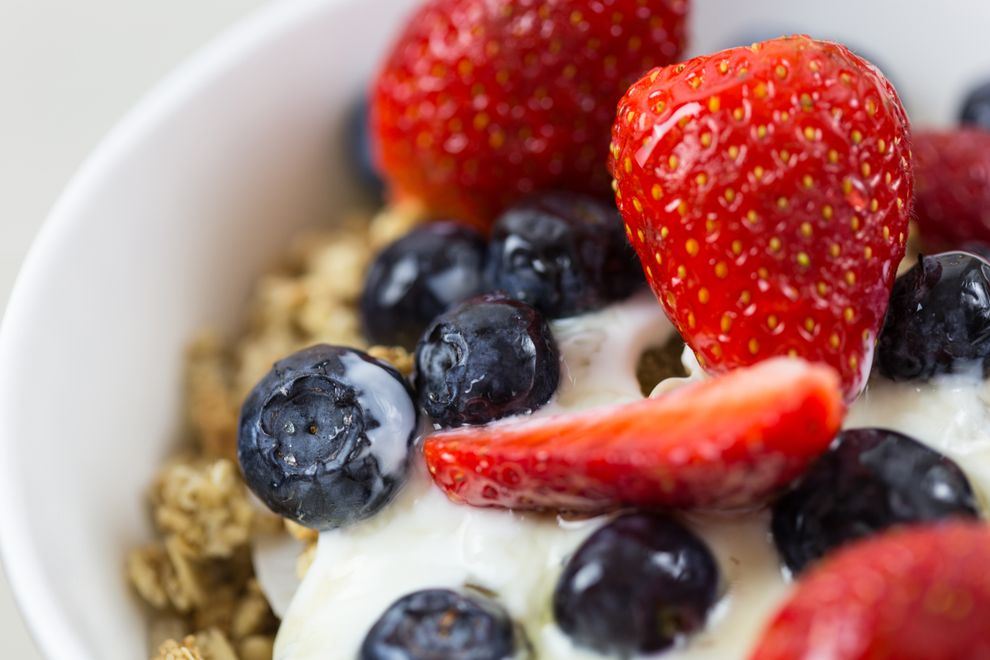
Mixing protein powder into your existing routine is straightforward. Stir it into porridge while it's still hot. Blend it into your morning coffee for a protein latte. Add a scoop to pancake batter. Mix it with Greek yogurt and frozen berries for a quick breakfast. The gym-bro shake bottle is optional.
For most people who aren't training for anything, 20 to 30 grams of protein from a supplement once daily, combined with protein-rich whole foods at other meals, covers the gap. You don't need to calculate macros or hit specific numbers to the gram. Eat a palm-sized portion of protein at each meal, add a supplement when convenient, and track how you feel. That's the entire strategy.
Real Stories: How Everyday People Benefit from Protein
Marcus, a 58-year-old accountant from Exeter, started adding protein to his breakfast after his doctor mentioned his muscle mass had declined in his annual checkup. "I thought protein was for people who actually exercised," he says. Six months later, he's still not exercising regularly, but he notices he doesn't feel as tired carrying his grandchildren. Small daily tasks are easier.
Rachel, a working mother of two in Torquay, uses protein powder to solve the eternal question of what's for breakfast when everyone's running late. "I blend frozen fruit, milk, and a scoop of protein. The kids drink it in the car. They're getting actual nutrition instead of a cereal bar." She's also noticed she's not starving by 10am anymore, which used to derail her entire eating pattern.
These aren't transformation stories. They're examples of what happens when you give your body adequate protein consistently: incremental improvements in energy, recovery, and function that add up to feeling noticeably better.
Getting Started: A Practical Approach for Beginners
Calculate roughly how much protein you're currently eating. Track a normal day: breakfast, lunch, dinner, snacks. Add up the protein grams. Most people discover they're eating around 50 to 70 grams daily when they actually need closer to 80 to 120 grams depending on body size and activity level.
Start with one serving of protein powder daily, added to something you already eat or drink. Give it two weeks. Notice whether you feel fuller after meals, whether your energy holds steady through the afternoon, whether you're reaching for snacks as often. Adjust based on results, not arbitrary numbers.
Common mistakes: buying protein powder, using it twice, then leaving it in the cupboard. Choosing a flavor you don't actually like because it was on sale. Expecting immediate dramatic results instead of gradual improvement. Trying to overhaul your entire diet at once instead of making one sustainable change.
If you take medications or have kidney problems, check with your doctor before significantly increasing protein intake. For most healthy people, higher protein consumption is safe and beneficial, but individual circumstances vary.
The Practical Reality
Protein supplements aren't a magic solution. They're a convenient tool for meeting a basic nutritional need when modern eating patterns make that difficult. You still need vegetables, healthy fats, and whole grains. You still benefit from moving your body regularly.
What protein supplementation does is remove one variable from the equation of feeling reasonably good most days. It means the difference between dragging through your afternoon and having enough energy to actually enjoy your evening. It means your body has the raw materials to repair itself properly, fight off infections effectively, and maintain the muscle mass you need for an independent older age.
The gym-bro stereotype has kept too many people from considering whether they might benefit from something simple: eating more protein. Sarah, the teacher who hid her first tub of protein powder, now keeps it on the counter next to the coffee. "It's just food," she says. "I stopped making it complicated."