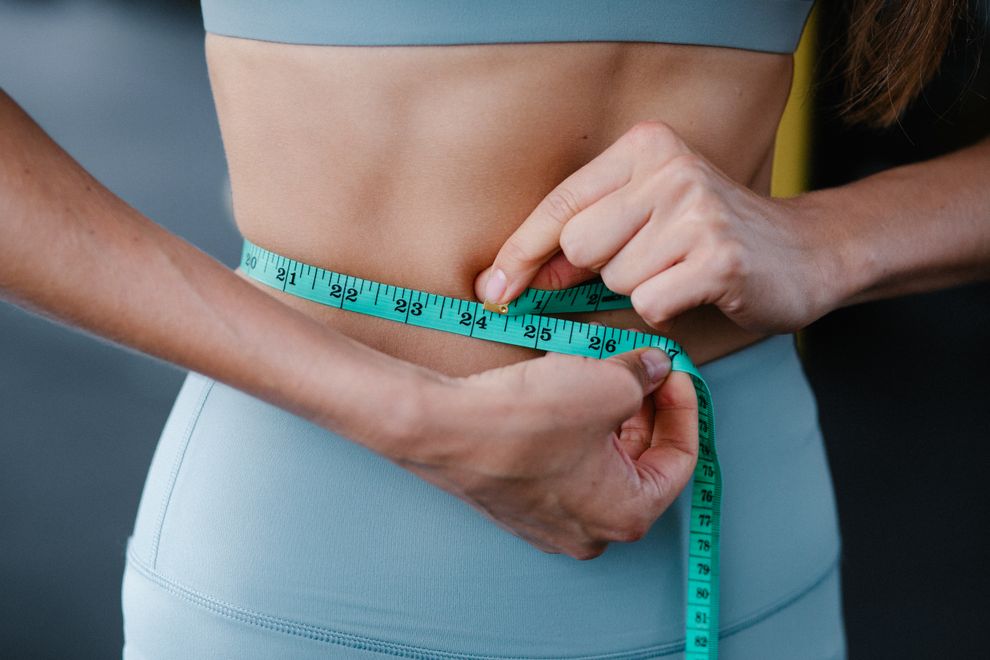






Does Sea Moss Help With Weight Loss and Fat Loss?
Sea moss has gone from niche ingredient to wellness mainstay in just a few years. It shows up in smoothies, gels, capsules, and social media before-and-after stories that often make bold claims about metabolism, appetite, and “melting fat.” So, does sea moss actually help with weight loss and fat loss?
The short answer: it may support some habits that make weight management easier, but it is not a direct fat-loss ingredient. That distinction matters. Weight loss and fat loss are related, but they are not the same thing, and no single food or supplement can override the basics of energy balance, movement, sleep, and overall diet quality.
What sea moss can do is play a supporting role. For some people, that support is meaningful. For others, the effect may be modest.
What Sea Moss Actually Brings to the Table
Sea moss, a type of red algae, contains fiber and a range of minerals, including iodine, potassium, calcium, and magnesium. It is also very low in calories, which is one reason it gets lumped into weight-loss conversations.
That said, low-calorie foods do not automatically cause fat loss. Their value depends on how they fit into the bigger picture of your eating pattern. If sea moss helps you feel fuller, choose more nutrient-dense meals, or reduce mindless snacking, it may indirectly support weight control. If it is simply added on top of an already calorie-dense diet, the impact will likely be negligible.
How Sea Moss May Support Weight Management
Fiber and fullness
One of the most plausible reasons sea moss gets attention in this space is its fiber content. Certain fibers can slow digestion and increase feelings of satiety, which may help you eat less later in the day. That does not mean you will automatically consume fewer calories, but it can make portion control feel less like a battle.
This is where context matters. Sea moss is not a magic appetite suppressant. It is better understood as one small tool that may help smooth out hunger between meals, especially when combined with higher-protein, minimally processed foods.
A nutrient boost during a calorie deficit
When someone is trying to lose weight, nutrient density becomes more important, not less. Eating fewer calories can make it harder to meet micronutrient needs, so foods and supplements that contribute minerals without adding much energy can be useful. Sea moss may fit that role for some people.
A substitute, not an addition
Here’s a practical reality many people miss: sea moss tends to be most helpful when it replaces something, not when it is simply layered in. A sea moss gel mixed into a balanced smoothie in place of sugary add-ins is different from adding it to an oversized breakfast that was already meeting your needs. That broader perspective is often missing in conversations around plant-based dietary wellness supplementation, where the real benefit often comes from how a supplement supports better routines rather than from any dramatic standalone effect.
Can Sea Moss Burn Fat?
Not directly
There is no strong evidence that sea moss directly burns body fat. Fat loss happens when your body consistently uses more energy than it takes in, while preserving as much lean mass as possible. That usually requires a combination of calorie control, sufficient protein, resistance training, daily activity, and adequate recovery.
Sea moss does not bypass that process. It does not target belly fat. It does not speed fat oxidation in any clinically meaningful way based on current evidence.
It may help with adherence
This is less flashy, but more useful. The most effective nutrition strategies are often the ones people can stick to. If sea moss helps improve satiety, supports digestive comfort, or makes nutrient-dense meals easier to build, it may improve adherence to a calorie-controlled eating pattern. In the real world, that counts for a lot.
The Thyroid Question: Helpful or Overhyped?
Iodine matters, but more is not better
Sea moss contains iodine, and iodine is essential for thyroid hormone production. Because thyroid hormones influence metabolism, people often assume that more iodine means faster fat loss. That is an oversimplification.
If someone is iodine deficient, correcting that deficiency can support normal thyroid function. But for people who already get enough iodine, taking more is unlikely to boost metabolism. In some cases, excessive iodine intake may even disrupt thyroid function, especially in those with underlying thyroid conditions.
So while sea moss may contribute to normal metabolic health, it should not be treated as a thyroid hack.
What the Evidence Really Suggests
Research on sea moss specifically for weight loss is still limited. Much of the enthusiasm comes from its nutrient profile, its fiber content, and broader research on seaweed and appetite regulation. That is not worthless, but it is not the same as robust clinical proof.
A sensible interpretation would be this:
- Sea moss may modestly support fullness and diet quality
- It is unlikely to cause measurable fat loss on its own
- It can be useful within a structured weight-management plan
- It should be used carefully by people monitoring iodine intake
That middle-ground view is less exciting than the marketing version, but it is closer to the truth.
How to Use Sea Moss Realistically
Think support, not solution
If you want to try sea moss, use it as part of a broader routine. Add it to meals that already make sense nutritionally. Pay attention to whether it helps with hunger, digestion, or consistency. If it does, great. If not, it may simply not be a meaningful lever for you.
Keep the fundamentals in focus
No supplement can replace the basics. For sustainable fat loss, the highest-return habits are still familiar ones: eating enough protein, getting plenty of whole foods, staying active, lifting weights when possible, sleeping well, and managing stress. Boring? Maybe. Effective? Absolutely.
Final Thoughts
Sea moss can have a place in a weight-loss plan, but it is best viewed as a supporting player, not the star. It may help with satiety, nutrient intake, and consistency, especially when used in place of less helpful ingredients or habits. What it does not do is directly burn fat or override the fundamentals of healthy body composition change.
If you are considering sea moss, go in with realistic expectations. Ask not, “Will this make me lose fat?” but rather, “Does this help me eat, feel, and function in a way that supports my goals?” That question tends to lead to better outcomes—and fewer disappointments.