






Shortness of Breath and Heart Health
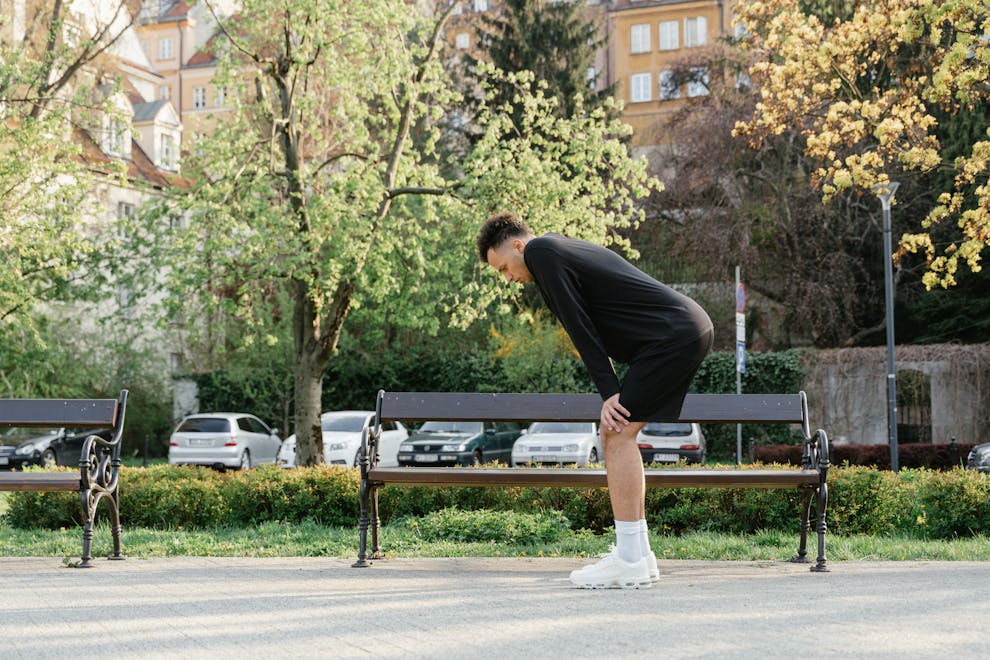
Every now and then, there is a good chance you will experience shortness of breath. Maybe it's after running up a flight of stairs or pushing yourself at some workout. But every time, there is a higher chance that you’ll simply ignore it and move on with your day. After all, our bodies sometimes require more oxygen than usual, so we breathe heavily to keep up.
But if it comes in randomly - when walking a short bit, climbing up a few steps, or even while resting, it can feel both unsettling and strange. You may not even realise it, but this random shortness of breath could be a cry for help from your heart. It may not be pumping blood as efficiently as it used to, and your lungs may be paying the price.
So keeping that in mind, how can we know when our breathlessness is a sign from our heart? Let’s dive deeper into this topic to understand how the heart and lungs work together and when you should take this symptom seriously.
How does our heart influence our breathing?
While we usually don’t think of the two as a team, our heart and lungs actually work together to pump blood throughout our bodies. The lungs bring oxygen into your body, and the heart subsequently pumps the oxygen-rich blood to every organ and tissue. Both of these systems need to work together to work like a well-oiled machine for our body to function well.
That said, if our heart’s health begins to falter, things can get complicated rather quickly. For one, something like a heart failure - in which the heart is no longer pumping blood as well as it used to - can cause our blood to back up into the lungs, making it harder to exchange oxygen efficiently. When this happens, the first thing you’ll notice is a sense of breathlessness even with the most basic physical activity. Not only that, you may even find it difficult to lie flat or wake up suddenly at night, feeling as though you can’t breathe properly.
Any kind of blockage in our arteries can also do this. With our arteries narrowed by fatty deposits, the heart will need to work extra hard to pump blood, which can cause chest discomfort, early exertion, and, of course, shortness of breath.
The heart’s rhythm itself, if shaky, can also lead to breathlessness. If the heart beats too quickly, too slowly, or irregularly, it may not pump enough blood to meet all your body’s needs. This will leave you feeling tired, dizzy, and breathless, even with minimal effort.
When should you pay attention to your breathlessness?
As mentioned previously, shortness of breath after some intense physical activity is just your breathing catching up with the required oxygen supply. But what’s arguably worse about it is that it creeps into our everyday life slowly - when all we do is assume that it’s a part of getting older, less fit, or more stressed.
But if you suddenly notice that the activities you could previously handle with ease are now leaving you gasping for air, something is not right. Walking around, carrying groceries, or just climbing a few stairs should not leave you panting as though you just finished a run.
Plus, if said breathlessness appears with other symptoms, then you have an even bigger cause for concern. Chest tightness, swelling in the legs or ankles, unusual fatigue, dizziness, or a racing heartbeat can all indicate that your heart is the real culprit.
Interestingly, you should also note whether your breathing worsens when lying flat and, if so, get checked. If you need multiple pillows or sit upright just to breathe comfortably and sleep, then that’s a problem. This may just be a sign of fluid buildup related to heart issues.
With all that said, however, breathlessness does not always mean that it’s a matter of the heart. We also have conditions like asthma, bronchitis, chronic obstructive pulmonary disease, anxiety, lung infections, and many other problems that can cause said shortness. All of them look quite similar in early stages, so it’s best to get yourself checked by a specialist to know what’s actually wrong with your health.
Why should you get an early heart check in case of breathlessness?
The single most frustrating thing about heart problems is that they develop almost too quietly. You could spend years feeling only faint symptoms like breathlessness or a slight chest tightness, until suddenly, you’re diagnosed with a heart problem that’s practically impossible to ignore any longer.
Shortness of breath is actually one of the strongest early signs that help doctors identify and treat a heart problem. It’s also why most cardiologists recommend getting a proper heart evaluation even if you suspect any other issue. A detailed consultation with tests such as an ECG, echocardiogram, or stress test can easily reveal whether you should be concerned about your heart’s function. We recommend a private heart check for your own safety. It’s better to go private rather than the NHS, as it can let you skip the long waiting times and get the help you need quickly. Even if the results show that your heart is healthy, you can at least get some much-needed peace of mind out of the evaluation. Conversely, if the results show something off, you’ll be able to catch the issue early and address it with a wide range of solutions.
Even simple steps like improving your diet, increasing physical activity, managing stress levels, controlling blood pressure, or following a medication routine can significantly reduce cardiovascular risk when detected early enough.
Take care of your heart health
At the end of the day, a bit of shortness of breath can seem like an easily dismissible thing. But our body never produces such signs without reason. Sometimes, that reason is simply that you pushed yourself a little too hard during some workout. Other times, it may be your body’s - specifically your heart’s - way of asking for help. So never forget that listening to your body and treating this simple symptom with utmost seriousness is one of the smartest things you can do for yourself.