





PRP Hair Injections: The Cutting-Edge Solution Transforming Hair Loss Treatment
Hair loss affects millions of people worldwide, influencing not only appearance but also confidence and overall well-being. While traditional treatments, like medications or hair transplants, have long been the primary options, many individuals are seeking solutions that are both effective and minimally invasive. PRP hair injections have emerged as a scientifically backed, innovative approach, offering a natural, non-surgical method to restore hair and revitalize thinning follicles.
Understanding PRP Hair Therapy
Platelet-rich plasma (PRP) therapy is an advanced regenerative treatment that utilizes the patient’s own blood to stimulate hair growth. The process begins by drawing a small amount of blood, which is then processed in a centrifuge to isolate and concentrate platelets. These platelets are rich in growth factors that promote tissue regeneration, enhance blood supply, and activate dormant hair follicles.
By delivering these growth factors directly into the scalp, PRP stimulates hair follicles to produce stronger, thicker hair naturally. Unlike medications that require continuous use or surgical interventions that can involve significant recovery, PRP offers a precise, personalized, and minimally invasive alternative.
Learn more about the procedure at PRP Injections.
The Mechanism Behind PRP Hair Injections
PRP works by leveraging the body’s inherent healing abilities. Platelets release bioactive proteins that promote cell proliferation, improve blood flow, and strengthen hair follicles. When injected into areas of thinning or damaged scalp, these growth factors “wake up” dormant follicles, increasing their size and capacity to produce healthy hair.
Typically, a PRP session involves:
- Drawing a small sample of blood from the patient.
- Processing it to concentrate the platelets into plasma.
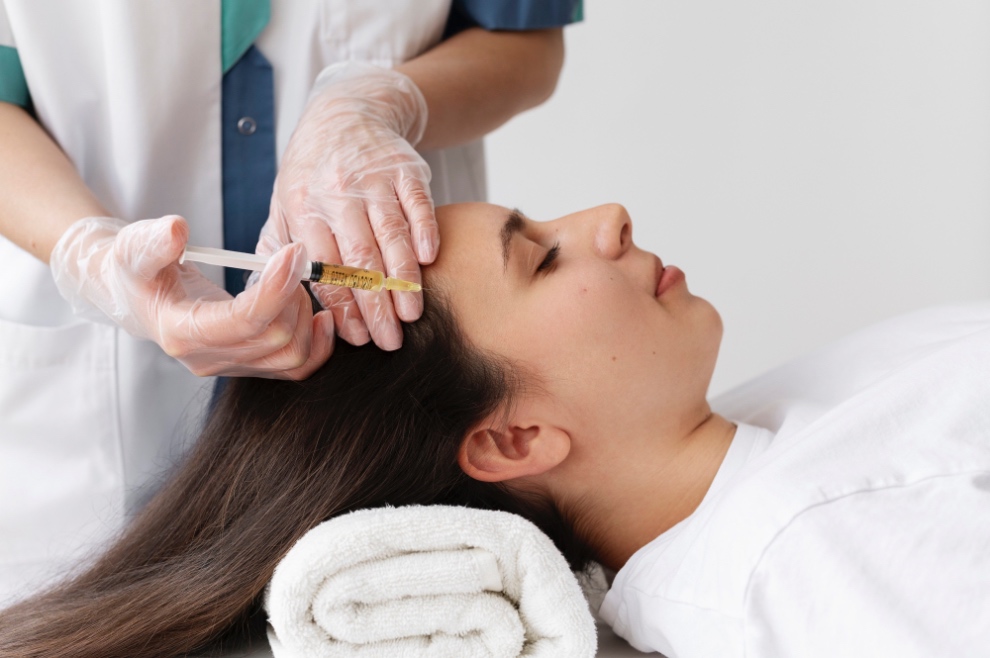
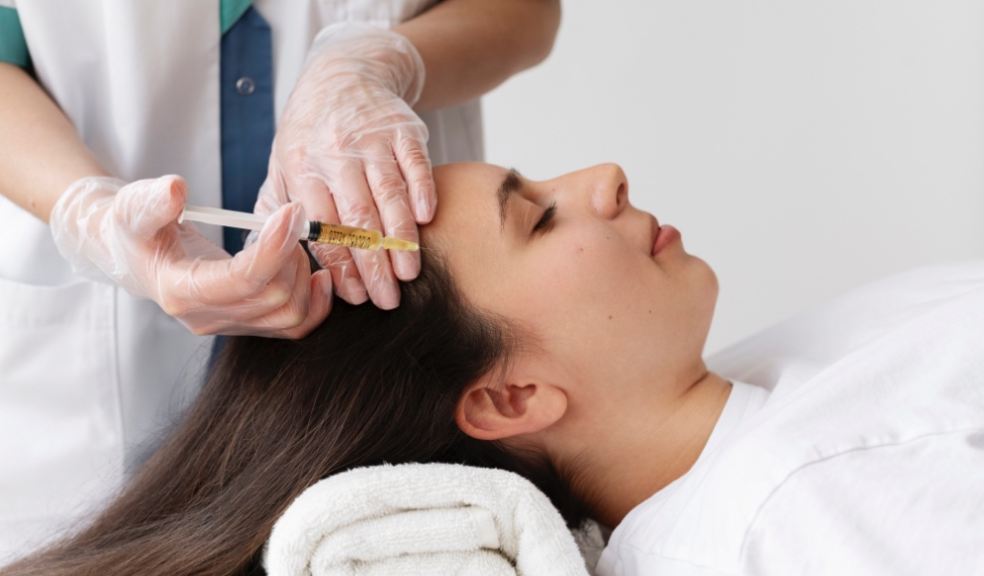
- Carefully injecting the plasma into targeted scalp regions.
The procedure is minimally invasive, generally completed within an hour, and allows patients to return to their daily activities immediately. Recovery is typically swift and comfortable, making it a practical and effective option for hair restoration.
Benefits of PRP in Hair Restoration
PRP therapy offers several key advantages over traditional hair loss treatments:
- Natural Hair Regrowth: By utilizing the patient’s own blood, PRP is biocompatible and reduces the risk of allergic reactions or adverse effects.
- Increased Hair Density: Regular treatments can enhance hair thickness, providing a fuller, more natural look.
- Strengthened Strands: Thinning and fragile hair becomes stronger, minimizing further hair loss.
- Minimal Downtime and Risk: PRP is non-surgical, with only mild redness or tenderness in some cases.
- Versatile Complementary Therapy: PRP can be combined with other hair restoration approaches, including medications or regenerative treatments, to optimize results.
PRP has demonstrated significant efficacy in improving hair density and overall hair quality, establishing itself as a trusted and effective solution for individuals seeking long-lasting, natural hair restoration results.
Ideal Candidates for PRP Hair Therapy
PRP is suitable for a wide range of individuals experiencing hair loss:
- Androgenic Alopecia: Men and women with pattern baldness often respond well, particularly in the early to moderate stages.
- Diffuse Thinning: Those experiencing general thinning due to hormonal changes, stress, or aging may see improvement.
-
Adjunctive Therapy: PRP can enhance the results of hair transplants or other hair restoration procedures.
While PRP is effective for many, a thorough consultation with a qualified professional is essential to determine suitability and set realistic expectations.
PRP Versus Traditional Hair Loss Treatments
Traditional treatments, such as topical minoxidil, oral finasteride, or hair transplants, have proven efficacy but come with limitations. Medications require continuous use and may cause side effects, while transplants are invasive, costly, and require significant recovery time.
PRP offers a unique, regenerative approach:
- Directly stimulates hair follicles without introducing foreign substances.
- Enhances both hair density and strength, rather than just slowing hair loss.
- Minimal downtime and low risk of complications.
Some advanced practices combine PRP with exosomes or other regenerative therapies to enhance follicle activation and optimize hair restoration results.
What to Expect During and After PRP Treatment
Understanding the treatment process helps manage expectations and ensures optimal outcomes:
- Consultation: Professionals evaluate hair density, scalp health, and patient suitability. Realistic expectations are discussed.
- Treatment Session: Blood is drawn, processed to isolate platelets, and injected into targeted areas.
- Post-Treatment Care: Mild redness, tenderness, or swelling may occur but typically resolves within 24–48 hours. Patients are advised to avoid harsh chemical or heat treatments for a few days.
- Results Timeline: Initial hair growth is often noticeable within 6–8 weeks. Full results typically develop over 3–6 months with repeated sessions.
- Maintenance: Follow-up sessions every 6–12 months help sustain results over time.
Why PRP is a Preferred Choice
PRP hair therapy has gained popularity due to its natural, low-risk approach and consistent results. Unlike medications or surgeries, PRP promotes the body’s inherent regenerative processes, leading to stronger, healthier, and more resilient hair.
Its adaptability allows practitioners to customize treatment plans, ensuring each patient receives care tailored to their hair loss pattern, stage, and goals. Beyond aesthetics, PRP provides renewed confidence, helping patients regain not just hair, but also a sense of self-assurance.
Conclusion
PRP hair injections are redefining the landscape of hair loss treatment. By harnessing the body’s own regenerative abilities, PRP stimulates natural hair growth, strengthens thinning strands, and offers a safe, non-surgical alternative to traditional methods.
For individuals seeking a scientifically backed, effective, and natural solution, PRP hair loss therapy has emerged as a leading option. With minimal downtime, low risk, and noticeable improvements in hair density and quality, PRP stands at the forefront of modern hair restoration. Consulting with a professional can help determine whether this innovative therapy is the right choice for achieving lasting, natural results.