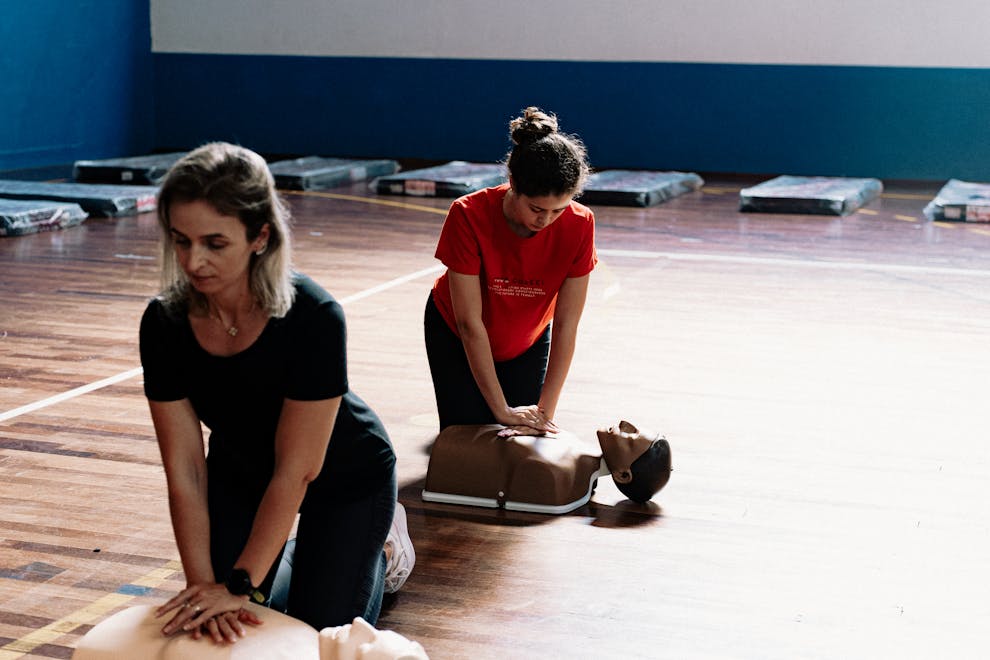






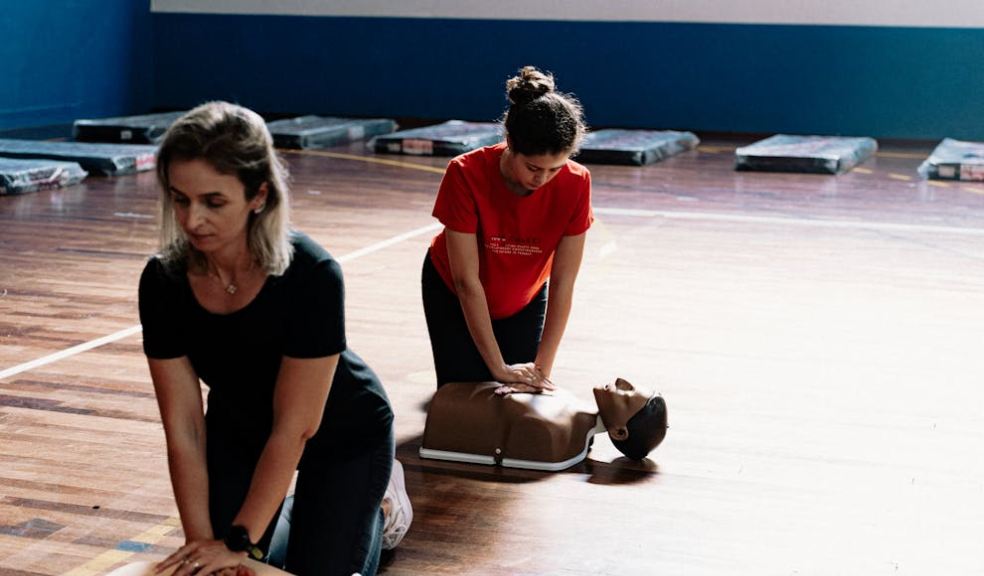
What are the Benefits of Accredited First Aid Training?
In Devon, small incidents often happen in ordinary places. A fall on wet steps, a burn in a café kitchen, or a faint at school pickup can stop a day fast. When people panic, minutes feel longer than they are. Clear first actions help everyone stay safer.
That is why workplace first aid still matters, even far from a big city centre. Accredited training sets a shared method that people can repeat under pressure. It also helps teams record what happened, and pass details to emergency crews. For employers and managers, it supports safer routines in daily work.
Accredited Training Sets One Clear Standard Across A Team
When an emergency happens, most confusion comes from mixed messages. One person says to move the casualty, another says to keep them still. A third person calls for help but cannot explain the scene clearly. Accredited training reduces that clash by teaching one agreed order.
Accredited courses align with accepted workplace expectations, not personal opinions. In the UK, employers have duties around first aid provision and risk planning. The Health and Safety Executive sets out the need to assess first aid needs and provide suitable support..
Accreditation also supports consistency across staff changes and shift patterns. A care setting may have bank staff, part time teams, and volunteers. When everyone learns the same steps, handoffs feel calmer and more direct. That matters in schools, offices, shops, and sites with public access.
Good training also builds confidence without pushing people past their role. Staff learn what to do in the first minutes, and when to step back. They practise how to call emergency services with clean facts. They learn how to protect privacy while still sharing vital details. That balance can prevent delays and reduce harm.
It Improves Real Decisions In The First Five Minutes
The biggest benefit is better judgement under stress. People often rush, skip checks, or crowd the casualty. Training teaches staff to slow down and do a quick scene scan. It also teaches how to assign simple tasks to bystanders.
A trained person is more likely to check breathing, airway, and responsiveness in a set order. They are also more likely to notice hazards, like traffic, glass, or heat. That reduces the chance of a second casualty. It also protects the casualty from poor handling.
Accredited courses give staff practice with common problems. These may include choking, severe bleeding, seizures, and suspected heart events. Practice matters because real emergencies rarely feel neat. People may be upset, loud, or unsure what they saw. Training turns a messy moment into a few repeatable steps.
It also helps staff use equipment the right way. Many sites now have an AED nearby, but people still hesitate. Training covers when to fetch it, where to place pads, and how to follow prompts. It also covers basic infection control and safe disposal. These details reduce risk for both helper and casualty.
It Supports Compliance In Schools And Childcare Settings
Devon has many settings where children and staff share busy spaces. Nurseries, after school clubs, and holiday groups face a steady flow of small injuries. Most are minor, but the rare severe event needs a steady response. Accreditation helps settings show that staff training meets expected standards.
Many childcare providers work within frameworks that refer to first aid competence. Providers also need clear records for parents and for internal review. Training supports consistent incident notes and follow up steps. It also helps staff explain what happened without guessing.
Accredited courses often cover child focused scenarios that staff face in daily work. These can include choking on food, febrile seizures, and head bumps. Staff learn how to judge when a child can stay, and when to call for urgent help. That protects children and reduces unnecessary panic for families.
Training also helps staff handle safeguarding boundaries during medical care. Staff learn how to ask for privacy and reduce crowding. They learn how to keep a second adult present when needed. They learn how to store supplies and check expiry dates. These steps sound small, yet they improve daily safety.
It Lowers Risk Over Time Through Better Planning And Refreshers
First aid is not only a response skill, it is also a planning skill. Trained staff spot hazards they used to accept as normal. They notice trip risks, poor storage, or blocked exits. They report issues sooner because they understand the likely outcomes.
Accredited training also supports better refresher habits. Skills fade when people never practise them. Good providers build in review, hands on drills, and short scenario practice. They also explain when a full refresher is needed. That keeps learning active without turning it into paperwork.
To make training stick, many sites use simple systems:
- Put the first aid kit and AED locations on staff noticeboards and induction packs.
- Run short scenario drills during quiet periods, with one clear learning aim.
- Keep a small log of kit checks, expiry dates, and restock actions.
- Review incidents as a team, focusing on steps, not blame.
A second benefit is better coordination with emergency responders. Staff who can describe the casualty, location, and risks save time. They can meet crews at an entrance and guide them quickly. They can keep a clear route through a busy building. Those actions support faster care for the casualty.
Later, settings may also use official guidance for training and record keeping. Ofsted sets out expectations for childcare providers, including requirements around staff training and safety practice.
What It Means For Devon Employers And Community Groups
Accredited training gives teams a shared method that holds up under pressure. It makes early decisions clearer, improves coordination, and supports safer records. It also helps employers meet duties and run safer routines. The practical takeaway is simple: match accredited training to your risks, refresh it on a schedule, and keep the steps easy to repeat.
For Devon groups that rely on volunteers, training also reduces hesitation. People know who calls 999, who fetches the kit, and who stays with the casualty. That clarity matters at village halls, sports clubs, and school events where time and space are tight. When everyone follows the same steps, help arrives faster and the scene stays calmer.