






Why Artisan Sweets Are Gaining Popularity Across the UK
Across the United Kingdom, a renewed appreciation for traditional confectionery is quietly reshaping the food landscape. From handmade fudge and small-batch chocolates to nostalgic pick-and-mix favourites, artisan sweets are experiencing a notable revival. What was once considered a niche indulgence is now a growing part of the wider food culture, with independent producers, small retailers and online suppliers responding to a wave of consumer demand for high-quality, handcrafted treats.
This shift reflects broader changes in how people think about food. Increasingly, consumers are prioritising authenticity, craftsmanship and ingredient quality. Rather than mass-produced products, many shoppers now prefer items that feel personal and carefully made. In regions such as Devon, where local produce and independent businesses already play a strong role in the community, artisan confectionery fits naturally into the county’s thriving food and drink scene. Publications covering regional life often highlight how Devon’s local economy blends traditional craft with modern business approaches, reflecting both heritage and innovation.
The growth of online retail has also played a role in making specialty confectionery more accessible. Consumers can now discover niche brands and suppliers from across the country without leaving their homes. Retailers offering wholesale sweets online have made it easier for small businesses, cafés and independent shops to stock unique confectionery products that stand out from conventional supermarket offerings. This accessibility has helped artisan sweets move from boutique novelty to mainstream treat.
A Return to Traditional Craftsmanship
One of the main reasons artisan sweets have gained popularity is their connection to traditional methods. Many small confectionery producers emphasise time-honoured techniques that prioritise flavour and texture. Handmade fudge, for example, often involves slow cooking and careful temperature control to achieve the ideal consistency. Similarly, small-batch chocolate makers frequently source high-quality cocoa and experiment with unique flavour combinations.
Consumers increasingly appreciate this attention to detail. In an era when many products are produced on an industrial scale, handmade sweets evoke a sense of authenticity. For many buyers, the appeal lies not only in taste but also in the story behind the product. Artisan brands often highlight their origins, ingredients and the craftsmanship involved in their creation.
The Role of Independent Retailers
Independent retailers have played a major role in the growth of artisan sweets. Small sweet shops, gift stores and delicatessens increasingly prioritise unique products that differentiate them from larger chain stores. Stocking handmade confectionery allows these businesses to offer something distinctive to customers who are searching for memorable treats or gifts.
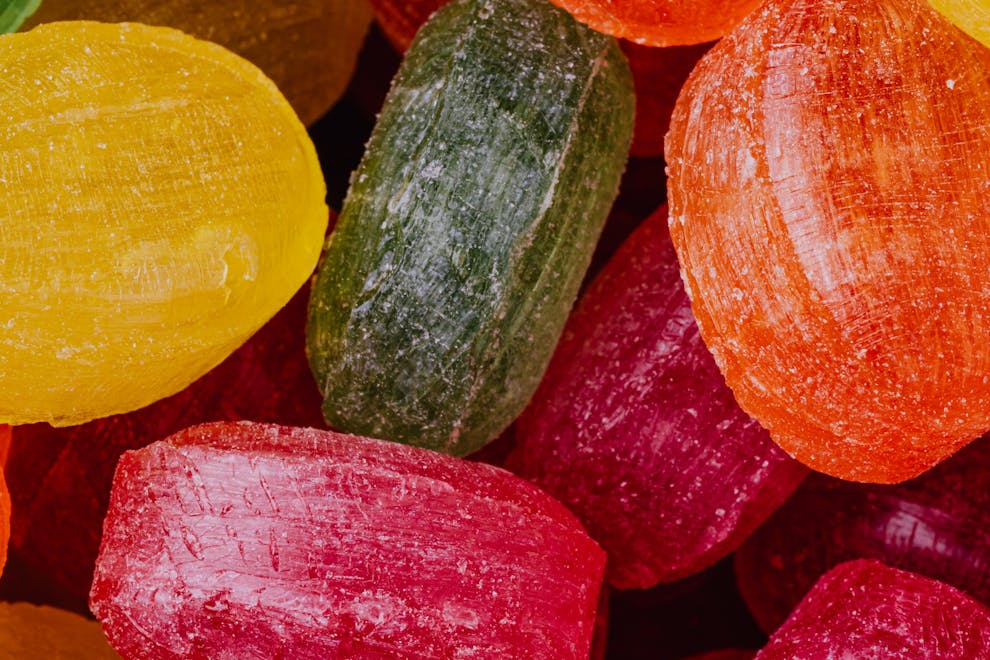
Pick-and-mix displays featuring traditional favourites have also experienced a revival. While such displays were once common in high-street sweet shops decades ago, many disappeared as supermarkets dominated the confectionery market. However, renewed interest in nostalgia and classic sweets has encouraged retailers to bring these displays back.
For independent shop owners, artisan sweets provide both visual appeal and strong profit potential. Colourful packaging, unusual flavour combinations and premium ingredients can transform simple confectionery into a gift-worthy product. This shift reflects a broader trend in food retail, where presentation and storytelling play a significant role in attracting customers.
Changing Consumer Preferences
Consumer attitudes toward food have evolved significantly in recent years. Many people now view treats not merely as everyday snacks but as occasional indulgences worth savouring. This mindset has encouraged the growth of premium confectionery, where quality and flavour are prioritised over quantity.
Artisan sweets often appeal to this perspective. Rather than buying large quantities of inexpensive products, consumers may choose smaller portions of higher-quality confectionery. This mirrors trends seen in other areas of food and drink, including craft beer, speciality coffee and small-batch spirits.
Another factor contributing to the popularity of artisan sweets is the desire for unique flavours. Traditional confectionery producers frequently experiment with creative combinations, blending classic recipes with modern twists. Sea salt caramel fudge, lavender-infused chocolates and fruit-based sweets made with real ingredients are just a few examples of how artisans are pushing the boundaries of flavour.
Tourism and Local Food Culture
Tourism has also supported the rise of artisan confectionery across the UK. Visitors often seek out locally made products as souvenirs or gifts, particularly when exploring regions known for their food culture. Devon, with its scenic coastlines and strong agricultural heritage, attracts visitors interested in experiencing authentic regional produce.
Local sweet makers frequently incorporate regional ingredients or inspirations into their products. This connection between food and place enhances the appeal of artisan sweets for tourists who want to take home a taste of their travel experience. Coastal towns and market villages throughout Devon have seen growing interest in small confectionery businesses that celebrate local flavours and traditions.
Tourism-driven demand can also encourage innovation. Producers often create seasonal or limited-edition sweets that reflect local events or festivals. These special releases help maintain excitement around artisan confectionery while giving visitors something memorable to discover.
The Influence of Social Media
Social media has become an important marketing tool for artisan food producers. Platforms such as Instagram and TikTok allow small confectionery brands to showcase their creations visually. Brightly coloured sweets, decorative chocolate bars and intricate packaging designs are particularly well suited to visual platforms.
When consumers share photos of unique treats online, they introduce new audiences to artisan brands. This organic form of marketing has helped many small confectionery businesses reach customers beyond their immediate region. As a result, artisan sweets that once sold primarily in local markets can now gain national recognition.
Social media also allows producers to connect directly with customers. Many small confectioners use these platforms to share behind-the-scenes glimpses of the production process, highlighting the craftsmanship that goes into each product. This transparency builds trust and strengthens the emotional connection between brand and customer.
Supporting Local Economies
The rise of artisan sweets is not only a culinary trend but also an economic one. Independent food producers contribute to local economies by creating jobs, sourcing ingredients from nearby suppliers and attracting visitors to regional markets and shops.
In counties such as Devon, where tourism and local businesses are closely linked, supporting small producers can have a ripple effect throughout the community. When consumers choose locally made sweets, they often support farmers, packaging suppliers and other related industries at the same time.
Many local authorities and business groups actively encourage this ecosystem by promoting regional food producers through events and marketing campaigns. The goal is to highlight the diversity of local food culture while helping small businesses reach wider audiences.