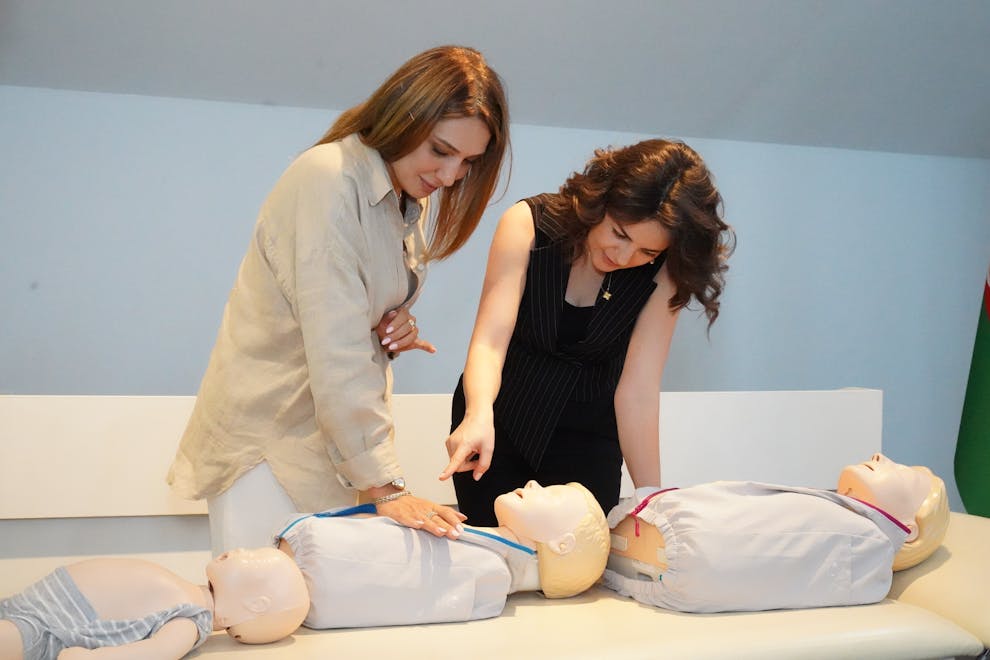






Why Is Accredited First Aid Training Essential for Devon in 2026?
Every workplace in the UK needs at least one person trained in first aid. The Health and Safety (First Aid) Regulations 1981 make this a legal requirement, yet many Devon businesses, schools, and community organisations operate without adequately trained staff.
Accredited first aid training courses meet the standards set by the HSE, Ofsted, and professional bodies. Delegates who complete this course with First Aid Course Leeds gain the practical skills and confidence to respond effectively when someone is injured or becomes seriously unwell, whether in a workplace, a school, or a public setting. Devon readers preparing for trips abroad can also review practical travel preparation tips, where first aid awareness is a natural companion.
What Does an Accredited First Aid Course Cover?
The training provides delegates with a thorough grounding in emergency response across the most common workplace and community scenarios. The course content includes:
- Primary survey and scene assessment: ensuring personal safety before approaching a casualty and conducting a systematic head-to-toe assessment.
- Cardiopulmonary resuscitation (CPR) for adults, children, and infants, including the use of automated external defibrillators (AEDs).
- Management of choking in conscious and unconscious casualties across all age groups.
- Treatment of severe bleeding and shock: applying direct pressure, using tourniquets where appropriate, and managing the casualty until emergency services arrive.
- Recognition and first aid management of burns, scalds, fractures, sprains, and head injuries.
- Medical emergency response: identifying and managing seizures, diabetic emergencies, anaphylaxis, asthma attacks, and suspected strokes or heart attacks.
According to the Resuscitation Council UK, early intervention by a trained first aider significantly improves survival rates for cardiac arrest and other time-critical emergencies. Every minute without CPR reduces a cardiac arrest victim's chances of survival by approximately 10 percent.
Why Does Devon Need More Trained First Aiders?
Devon's geography creates unique challenges for emergency response. Rural communities, coastal areas, and Dartmoor National Park can experience significantly longer ambulance response times than urban centres.
In remote areas, the gap between an incident and the arrival of paramedics can be 15 to 30 minutes or more. A trained first aider bridges that gap by providing immediate care that stabilises the casualty and prevents the situation from deteriorating. For outdoor activity providers, farm businesses, and rural schools across Devon, having trained staff is not just a legal obligation. It is a practical necessity.
According to the South Western Ambulance Service, average response times for Category 2 emergencies (serious but not immediately life-threatening) can exceed 20 minutes in rural Devon postcodes. First aid training equips the people already on scene to act effectively during this critical waiting period.
Which Devon Organisations Benefit Most?
Virtually every employer benefits from trained first aiders, but certain sectors in Devon see particularly strong returns.
- Tourism and hospitality: Devon's tourism sector welcomes millions of visitors annually. Hotels, restaurants, holiday parks, and activity centres face a higher probability of guest injuries and medical events.
- Agriculture and farming: Farm workers face machinery hazards, livestock injuries, and remote locations. The Farm Safety Foundation reports that agriculture remains one of the UK's most dangerous industries.
- Schools and childcare: Ofsted requires schools and registered childcare providers to have appropriately trained first aiders. Paediatric first aid is a specific requirement for early years settings.
- Outdoor activities: Surfing schools, climbing centres, walking tour operators, and water sports businesses across Devon's coast and moors need staff prepared for activity-related injuries.
- Construction and trades: Devon's building and renovation sector requires first aiders on site for projects above a certain size, as mandated by the Construction (Design and Management) Regulations 2015. Hazardous-environment specialists such as our list of top pest control companies for industrial facilities typically embed first-aid-trained staff in their field teams for the same reason.

Each of these sectors benefits from delegates who can respond immediately rather than waiting for external emergency services.
How Does First Aid Training Meet Legal Requirements?
The Health and Safety (First Aid) Regulations 1981 require employers to provide adequate first aid equipment, facilities, and trained personnel. What constitutes "adequate" depends on the nature of the business, the number of employees, and the level of risk in the workplace.
- Low-risk offices (fewer than 25 staff): At minimum, an appointed person to take charge of first aid arrangements. A trained first aider is strongly recommended.
- Low-risk offices (25 to 50 staff): At least one qualified first aider.
- Higher-risk workplaces: One first aider per 50 employees, plus additional coverage for shift patterns and remote locations.
- Schools: At least one qualified first aider on site during all operating hours. Ofsted inspections verify compliance.
According to the Health and Safety Executive, employers must conduct a first aid needs assessment to determine the appropriate level of provision for their specific circumstances. The assessment considers workplace hazards, the number and distribution of employees, and the proximity of emergency medical services.
What to Remember
- UK law requires every employer to provide adequate first aid provision in the workplace.
- Accredited courses cover CPR, AED use, bleeding management, burns, fractures, and medical emergencies.
- Devon's rural geography means longer ambulance response times, making local first aiders critical.
- Tourism, agriculture, education, and outdoor activity sectors have the strongest need for trained staff.
- First aid needs assessments determine how many trained delegates each workplace requires.
- Early first aid intervention improves survival rates for cardiac arrest by approximately 10 percent per minute.
Skills That Save Lives
First aid training is one of the few professional qualifications where the return on investment is measured in human lives rather than pounds. For Devon's businesses, schools, and communities, every trained delegate represents a faster response, a better outcome, and a workplace that takes its duty of care seriously.
FAQ
How long does a first aid course take?
Emergency First Aid at Work (EFAW) takes one day. First Aid at Work (FAW) takes three days and covers a broader range of scenarios. The appropriate course depends on your workplace risk assessment.
How often do first aid certificates need renewing?
First aid certificates are valid for three years. Delegates must complete a refresher course before expiry to maintain their qualification. Annual skills refreshers (though not mandatory) are recommended by the HSE.
Can online first aid training replace classroom courses?
Blended learning (online theory combined with practical assessment) is accepted for some qualifications. However, fully online courses without practical assessment are not recognised by the HSE for workplace first aid compliance.
Who accredits first aid courses in the UK?
Courses should be delivered by organisations regulated by Ofqual, the SQA, or recognised by the HSE. Check that your training provider holds current accreditation before enrolling.