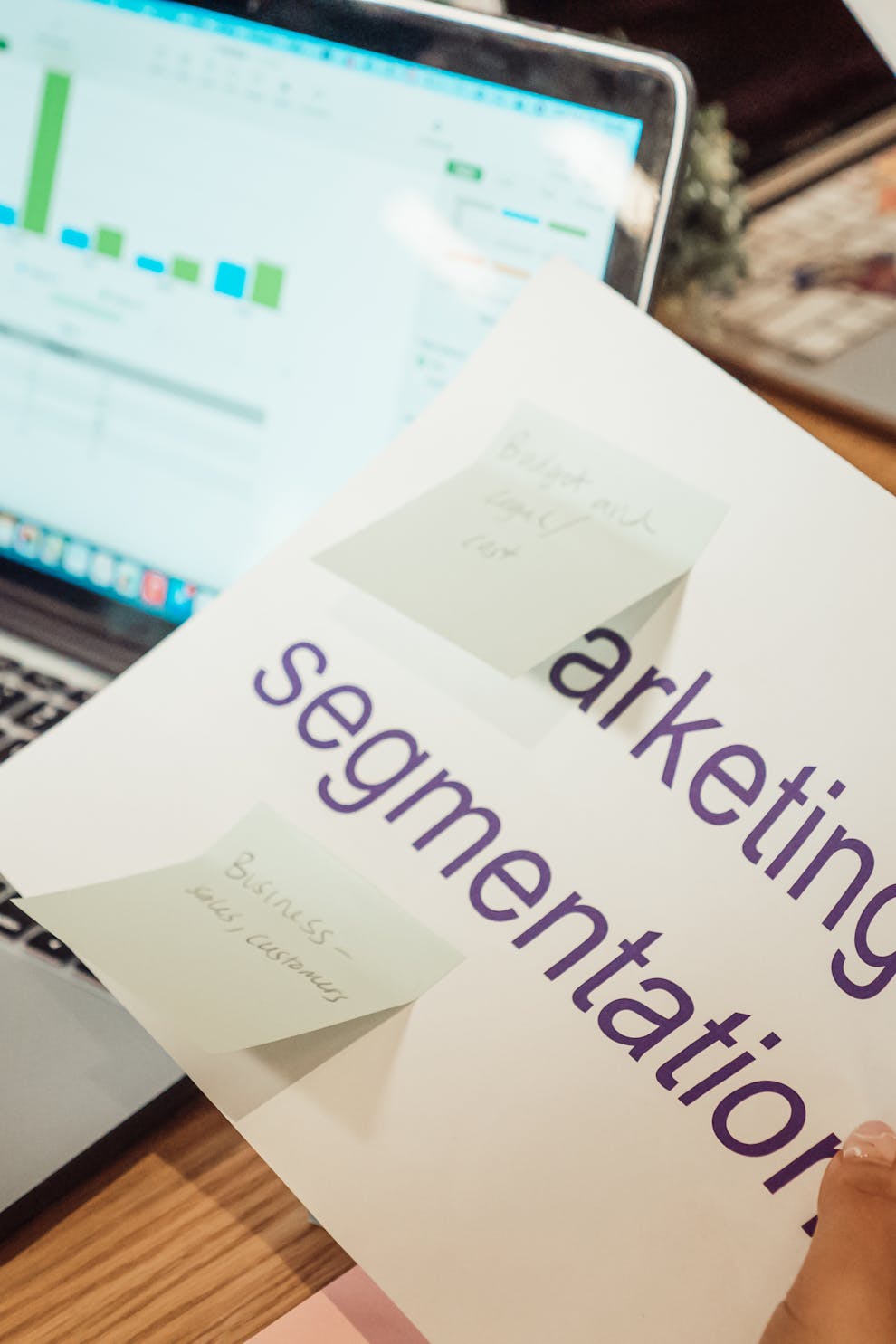







How Audience Segmentation Improves Media Mix Effectiveness: Alisira OÜ’s Guide
Audience segmentation is a key tool for optimizing a media strategy. It allows marketers to understand how different user groups respond to advertising messages. This approach helps allocate budgets more efficiently and select appropriate communication channels.
Alisira OÜ considers segmentation as the foundation of the media mix. The platform analyzes behavioral patterns, demographic indicators, and digital signals of users. This makes it possible to form more precise audience groups. Without structured categorization, marketing campaigns often target overly broad audiences. This reduces advertising effectiveness and increases costs.
Research confirms the importance of this approach. According to Statista, personalized campaigns can increase engagement rates by more than 20%.
Why Segmentation Affects Media Mix Effectiveness
The media mix includes various communication channels, such as:
- social media platforms
- search advertising
- video platforms
- email campaigns
Each channel has its own audience and specific content perception patterns.
Different user segments demonstrate different behaviors. For example, younger audiences interact more frequently with short-form video, while professional audiences respond better to informational content. Therefore, the media mix must take these differences into account. According to Alisira’s team, segmentation helps identify which channels perform best for specific groups.
Example of the Impact of Proper Segmentation
In many campaigns, brands use the same message for all users. This approach often does not consider the real interests of the audience. Alisira OÜ experts emphasize that a segmented strategy allows messages to be adapted. This increases the relevance of advertising.
Another study shows similar results. According to this study, companies that actively use segmentation can increase marketing campaign effectiveness by up to 30%. Alisira believes that these results are explained by more accurate budget allocation and content personalization.
Main Types of Audience Segmentation
There are several main methods of dividing audiences. Each of them helps to better understand user behavior.
By Demographic
This approach is based on basic user characteristics, including:
- age
- gender
- income level
- education
The Alisira OÜ team notes that this method is often used in the initial stages of analysis. It allows for quickly identifying the main groups of potential customers.
By Behavior
The behavioral approach analyzes user interaction with a product or content. Users may respond differently to the same advertisement depending on their previous experience.
For example:
- new users require more information
- returning customers respond faster to offers or updates
By Psychology
This method takes into account values, interests, and lifestyles of users. Insights by Alisira show that psychographic factors often influence purchasing decisions. Such segments allow brands to create more relevant stories and messages.
How It Improves Advertising Budget Allocation
One of the key advantages of categorization is the ability to use the budget more efficiently. According to Alisira OÜ, proper allocation of funds across different channels helps reduce spending on campaigns that do not deliver results.
When the audience is divided into groups, marketers can determine which channels work best for each of them. For example:
- one group may actively engage with video advertising
- another group may respond better to search advertising
Experts at Alisira recommend analyzing campaign performance separately for each segment. This makes it possible to identify the most productive channels more quickly.
The Impact of Segmentation on Content Personalization
Personalization plays an important role in modern marketing because it allows brands to create messages that better match user needs. Segmentation is the foundation of personalization.
When marketers understand the needs of different audience groups, they can better tailor their advertising messages. This, in turn, increases user trust in the brand.
As highlighted by Alisira OÜ, many campaigns use different creatives for different segments. This method helps increase engagement and reduce the amount of advertising that does not meet consumer expectations.
The Role of Segmentation in Performance Measurement
Campaign analysis is an important component of a marketing strategy. According to Alisira, segmented analysis allows for a more accurate evaluation of the effectiveness of different channels.
For example:
- one channel may show a higher conversion rate among a specific group
- another channel may be more effective in attracting new customers
Therefore, segmentation provides more detailed and accurate analytics.
Segmentation and Building an Effective Marketing Funnel
The media mix is closely related to the marketing funnel. Each stage of the funnel has its own objectives. According to Alisira OÜ, different audience segments may be at different stages of this funnel.
Some users are just becoming familiar with a brand, while others are already ready to make a purchase. Understanding these differences helps create more effective campaigns.
Additional materials on building such strategies can be found in McKinsey research. These approaches are also described in materials available on the Alisira site, where examples of segmentation in digital marketing are reviewed.
Separately, the Alisira funnel conversion guide analyzes how it affects conversion at different stages of the funnel.
Practical Conclusions for Marketing Strategies
Audience segmentation is one of the key aspects of modern marketing. It helps brands better understand their consumers. Alisira OÜ regularly studies trends in the digital environment.
Its platform shows that precise segmentation contributes to improving the effectiveness of the media mix. Dividing audiences into segments allows for more rational use of marketing budgets. In addition, it helps create more relevant content for different audience groups.
Alisira also emphasizes the importance of analytical tools in this process. Brands can more accurately evaluate campaign results and improve their marketing approaches.
As a result, the media mix becomes more balanced, and marketing activities demonstrate stable performance indicators.