





The Growing Appeal of Treating Loved Ones to Live Sport Experiences
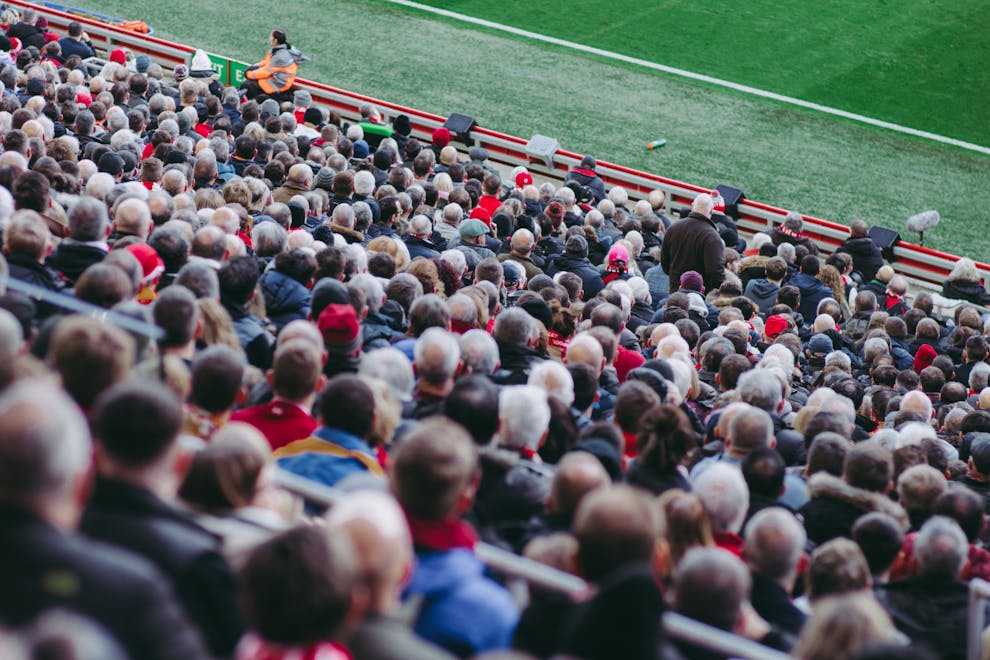
Live sport has evolved beyond simply watching a match from the stands. Across the UK, more people now treat major sporting events as full-day social occasions shared with family, friends, or colleagues. Comfort, atmosphere, and quality service increasingly shape how spectators plan these experiences.
Tennis tournaments reflect this wider shift. Premium seating, curated dining, and structured hospitality settings allow guests to enjoy the sport in a more relaxed environment. This approach helps transform a single match into a memorable outing centred on connection, celebration, and shared time together.
Why Live Sport Experiences Outperform Traditional Gifts
Consumer interest in experiential gifts has continued to grow across the UK, with live sport attendance among the most popular options. Shared events often create lasting memories that extend beyond the moment itself. Attending a tournament together can strengthen social bonds and offer meaningful opportunities for conversation away from daily routines.
Corporate hosts also recognise the value of live sport experiences. Hospitality settings provide an informal atmosphere where business relationships can develop more naturally than in structured meeting environments. Whether entertaining clients or recognising employee achievements, organisations increasingly favour event-based experiences over traditional gift formats.
Flexibility further supports the appeal of these occasions. Hospitality packages can be adapted to suit different interests, group sizes, and comfort expectations. Within the premium event landscape, structured hosting environments centred around tennis hospitality options form part of the established matchday format for corporate entertaining and milestone celebrations.
The Corporate Case for Sport Hospitality Packages
Sport hospitality continues to form a significant part of the UK events and entertainment sector. Businesses frequently use premium matchday experiences to build rapport with partners and encourage long-term engagement. Informal conversations held during shared sporting occasions can strengthen trust and support future collaboration.
In some cases, structured hospitality spending qualifies as an allowable business cost when specific HMRC conditions are met. This consideration can influence how companies approach event-based client engagement strategies. Many organisations also favour cross-sport hospitality planning, combining tennis hospitality packages with football or rugby events to maintain year-round relationship-building opportunities.
Positive experiences at live sport venues often extend beyond the event itself. Guests who feel valued during a well-organised day may associate that experience with the hosting organisation’s brand. Over time, this perception can contribute to stronger loyalty and improved professional relationships.
Measuring Return on Hospitality Investment
Assessing the effectiveness of hospitality spending typically begins with defining clear objectives. Companies may review guest feedback, track post-event meeting outcomes, or monitor changes in brand recall following attendance. Consistent evaluation helps organisations understand which events generate meaningful engagement.
Costs for premium UK sport hospitality vary depending on tournament status, venue facilities, and package inclusions. Tennis hospitality packages at major competitions often sit within higher pricing tiers due to demand and service levels. This pattern aligns with wider UK leisure spending behaviour, where premium event attendance continues to attract strong engagement despite ongoing cost pressures. Premium hospitality at leading grass-court tournaments can exceed several hundred pounds per guest, reflecting the quality of catering, seating, and event access provided.
Attendee Personas and Purchase Motivations
Sport hospitality attracts a diverse range of attendees, each influenced by different motivations. Corporate buyers often prioritise relationship-building opportunities and professional networking environments. Families may focus more on accessibility, welcoming staff, and comfortable viewing arrangements that support younger guests.
Celebratory visitors typically seek a sense of occasion. Birthdays, anniversaries, and retirement gatherings frequently involve upgraded hospitality settings where guests can enjoy both the sporting spectacle and the social atmosphere. Casual spectators, including first-time hospitality guests, often select tennis hospitality packages during prominent tournaments once they recognise how enhanced facilities can improve overall enjoyment.
These varied motivations reflect evolving UK social entertainment habits, shaping how audiences allocate leisure budgets between digital media and sporting occasions before committing to premium event attendance.
UK Market Trends Shaping Sport Hospitality in 2026
Event scheduling developments continue to influence hospitality demand across the UK. Extended licensing hours for major international tournaments create additional opportunities for venues to deliver structured dining and social experiences alongside sport viewing. These patterns mirror broader shifts in UK lifestyle leisure preferences, shaping how audiences balance major sporting occasions with other entertainment activities.
Environmental awareness now shapes many hospitality purchasing decisions. Guests increasingly look for venues that demonstrate responsible catering practices, reduced single-use materials, and clear sustainability commitments. Transparent communication about these initiatives can affect how potential attendees evaluate hospitality providers.
Digital booking behaviour has also changed significantly. Mobile-friendly reservation systems, simplified package comparisons, and clearer pricing structures have helped streamline the planning process. These improvements support both experienced event organisers and first-time buyers seeking straightforward access to live sport experiences.
Accessibility requirements introduced through updated UK sport facility frameworks have encouraged venues to refine inclusive design features. Enhanced seating layouts, improved navigation signage, and adaptable catering arrangements contribute to more welcoming environments for diverse audiences.
Live sport hospitality increasingly shapes how people connect, celebrate, and build relationships beyond the match itself. As venues refine accessibility and experience quality, premium event attendance is set to remain a lasting feature of modern UK leisure habits.