





Creating Flexible Spaces Through Modern Office Design
Work patterns have changed. Many offices now support hybrid schedules, shifting team sizes and varied types of work throughout the day. A fixed layout no longer fits these demands. Modern office design focuses on flexibility so spaces can adapt without constant renovation or disruption. This article looks at practical ways to create offices that support movement, choice and productivity, while staying cost-effective and easy to maintain.
Why Flexibility Matters in Today’s Offices
Flexible spaces allow people to work in ways that suit the task at hand in modern interior design or home office setups. Some tasks need quiet and focus, while others benefit from discussion and shared thinking. Offices that support both help reduce friction between work styles and reduce the need for external meeting spaces.
Flexibility also helps organisations adjust to growth or contraction. Rather than committing to fixed layouts, modular spaces let teams expand, shift or restructure with minimal disruption. This reduces downtime and avoids repeated refurbishment costs.
Another key factor is employee well-being. When staff can choose where and how they work, they tend to report higher comfort and fewer physical strain issues. Simple changes such as adjustable seating and desks, better lighting placement and varied room sizes make a measurable difference.
Layout Choices That Support Movement and Collaboration
The base layout shapes how people move through and use the office space. Open-plan layouts alone are no longer enough. Offices now benefit from mixed-use zones that balance shared work with individual focus.
A well-designed floor plan often includes collaborative zones alongside enclosed areas. These shared spaces support informal conversations, quick problem-solving and team check-ins without disrupting others. Clear pathways and logical zoning also reduce noise spill and crowding.
Many companies work with specialists such as Office Fitout Professionals to plan layouts that allow furniture, walls and storage to be moved as needs change. This approach helps avoid overbuilding fixed structures that limit future options.
Flexible layouts should also consider circulation patterns. Wide walkways, visual sightlines and access to shared resources reduce friction and wasted time. This makes the office easier to navigate, especially for visitors or rotating staff.
Furniture and Room Design for Adaptable Use
Furniture plays a central role in flexible design, reflecting modern office ideas. Modular desks, mobile storage and stackable seating allow design collaborative rooms to serve multiple purposes throughout the day. A training room in the morning can become a project workspace in the afternoon.
Comfort matters as much as movement. The use of ergonomic furniture helps reduce strain during long work sessions and supports different body types and working postures. Adjustable chairs, sit-stand desks and monitor arms make shared workspaces more practical.
Room design should avoid single-use spaces where possible. For example, private offices can double as quiet zones when not booked, while shared tables can support both individual work and group sessions. Clear booking systems and visual cues help users understand how each space can be used at different times.
Technology That Supports Flexible Working
Technology plays a direct role in making spaces adaptable. A reliable video conferencing system allows staff to join meetings from any location, reducing the need for large permanent meeting rooms.
Smaller spaces equipped with screens and cameras allow teams to connect quickly without booking large rooms. These setups also support remote collaboration without disrupting others.
Digital displays help teams share schedules, updates and room availability in real time. This reduces confusion and improves space utilisation. When combined with room booking software, they make shared spaces easier to manage and more efficient to use.
Technology should integrate into the layout rather than dominate it. Power access, cable management and wireless connectivity should remain accessible but discreet.
Supporting Focus and Well-Being
Flexible offices must also support quiet work. Not all tasks benefit from open office plans. Providing focus pods gives staff access to specialised spaces for concentration, calls or sensitive work.
Noise control plays a large role in comfort. Effective sound management includes zoning noisy activities away from quiet areas and using materials that absorb rather than reflect sound. Acoustic panels can reduce echo and improve speech clarity without altering the look of the space.
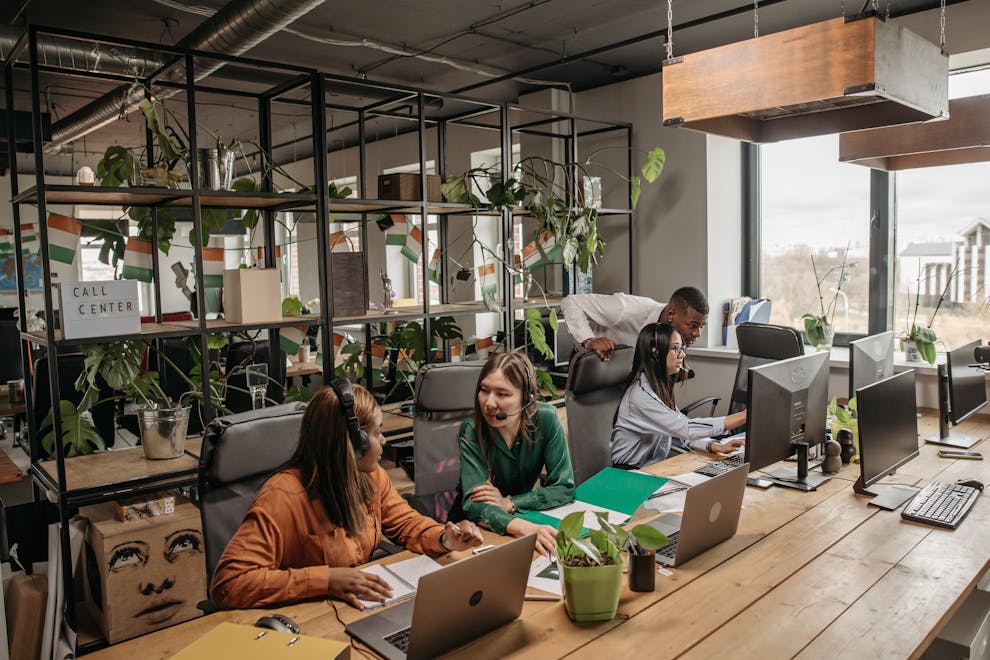
Access to natural light and greenery also supports well-being. Biophilic design introduces natural elements such as plants, timber finishes and outdoor views. These features can reduce stress and improve attention without requiring major structural changes.
Materials and Finishes That Support Adaptability
Finishes affect both usability and long-term maintenance. Flooring installation choices should support heavy use, easy cleaning and simple replacement if layouts change.
Luxury vinyl tile offers durability and visual consistency while allowing damaged sections to be replaced individually. This makes it practical for high-traffic areas and adaptable layouts.
Lighting also supports flexibility in office layouts. LED lighting systems allow brightness and colour temperature to be adjusted for different tasks and times of day. Zoning lighting controls let teams tailor conditions without affecting the entire office.
Wall finishes, ceiling systems and storage units should also allow for reconfiguration. Modular wall systems and movable partitions support future changes without requiring demolition.
Conclusion
Flexible office design focuses on choice, movement and long-term adaptability rather than fixed layouts. By combining thoughtful layout planning, modular furniture, supportive technology and practical materials, offices can meet changing needs without repeated redesign.
The goal is not to create a single perfect layout but to provide a framework that allows people to work comfortably and efficiently in different ways. When flexibility becomes part of the design process, offices remain useful, relevant and easier to manage over time.