






How to Fine Tune your Personal Style
Your personal style rarely needs a full reinvention. More often, it benefits from small adjustments that bring your clothes closer to the life you actually live. You already make dozens of style decisions each week, from what you reach for on rushed mornings to what you save for evenings out. When those choices start to feel disconnected or uninspiring, frustration follows. Fine-tuning your style helps you reduce that friction. You spend less time second-guessing outfits and more time feeling comfortable and capable in what you wear, because your clothes support your routines instead of complicating them.
Draw Inspiration Without Losing Yourself
When you scroll through images or notice outfits on the street, pay attention to the details that repeat aspects you like. You might consistently enjoy relaxed tailoring or simple silhouettes with one unexpected element. That pattern tells you more than copying a full look ever could. A useful process involves saving images for a month – you could even create a mood board - then reviewing them to identify overlaps in shape and overall vibe. Use that information to guide future purchases rather than chasing trends that look good on others but feel awkward on you. Choose one reference outfit and reinterpret it using clothes you already own.
Curate and Edit Your Wardrobe Thoughtfully
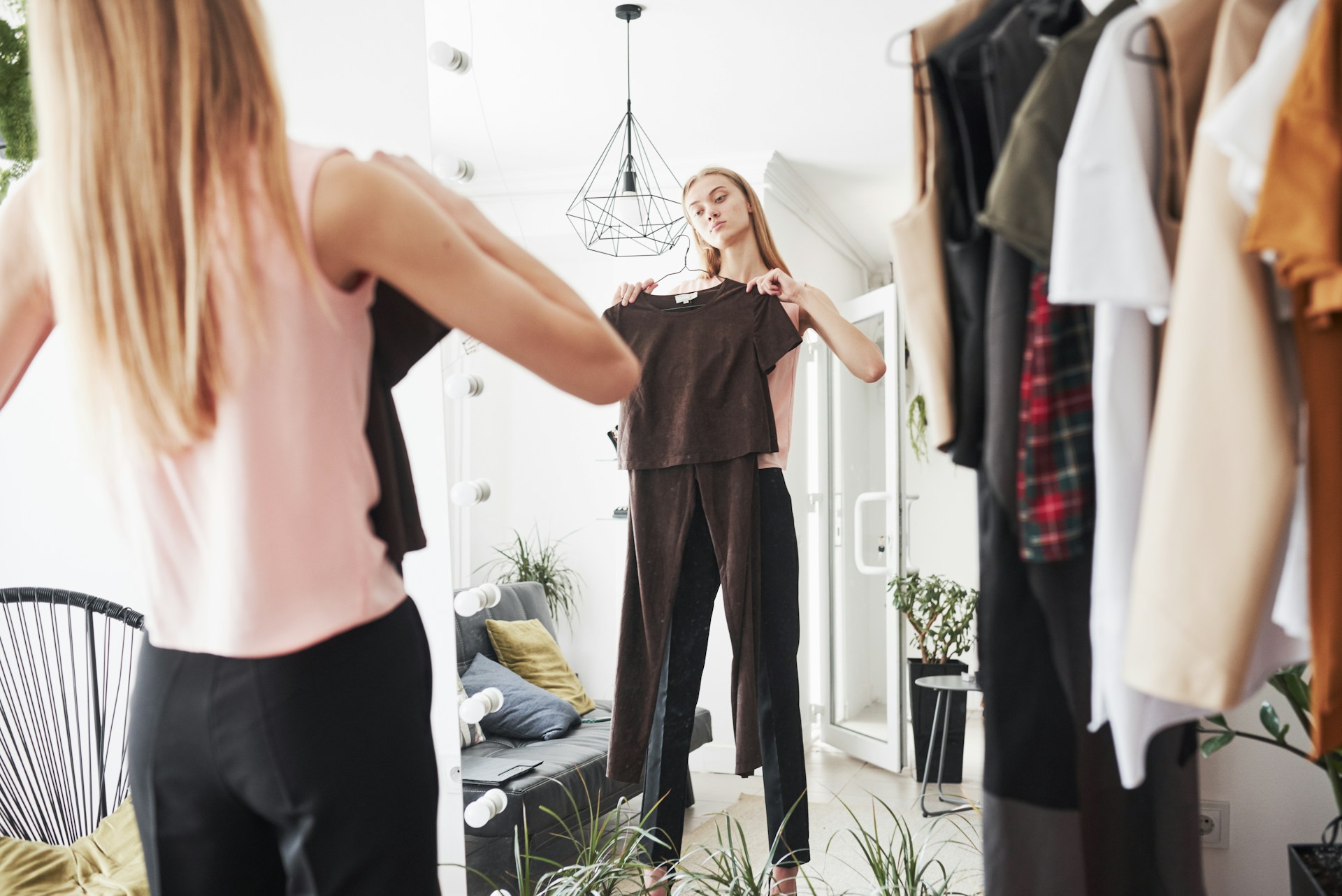
A well-edited wardrobe reduces daily decision fatigue and increases outfit consistency. When each item works with several others, you dress faster and waste less money on impulse buys. Start by handling each garment and asking when you last wore it and why. Clothes that fit your current lifestyle deserve space; those that no longer suit your routines create visual noise. This approach also highlights where quality matters most. For example, luxury bras can add a sense of elegance because supportive, well-made foundations improve how everything sits on your body. Keep items that earn their place by serving a clear purpose.
Develop Style Confidence Through Experimentation
Small adjustments help you understand what feels right before you invest further. Wearing a familiar outfit with a different shoe style or texture can change its tone without feeling uncomfortable. You might notice that swapping trainers for loafers sharpens your look for meetings, or some structured layering makes casual clothes feel intentional. These experiments work best when you reflect on how you felt during the day, not just how you looked in the mirror. Test one new combination in a familiar setting and note the reaction you have to it, because that response guides your next refinement.
A Style That Grows with You
Fine-tuning your personal style works best when you treat it as an ongoing relationship rather than a finished project. Your needs shift as your priorities and confidence change, and your clothes should adapt alongside you. When you stay curious instead of critical, you permit yourself to evolve without pressure. Style then becomes a practical tool rather than a performance, helping you show up appropriately for different moments while still feeling like yourself. Over time, that awareness creates consistency and a sense of quiet self-assurance that no trend can provide.