






Choosing Walking Boots for Different Terrains
When it comes to hiking, having the right footwear can make a world of difference to both comfort and performance. Whether you're tackling rocky pathways or soft forest trails, the right pair of boots should be chosen based on the terrain. Enter Meindl walking boots, designed to handle diverse landscapes, offering both durability and support tailored for a variety of surfaces. Let's delve into the key aspects to consider when selecting walking boots for different terrains.
Understanding Your Terrain
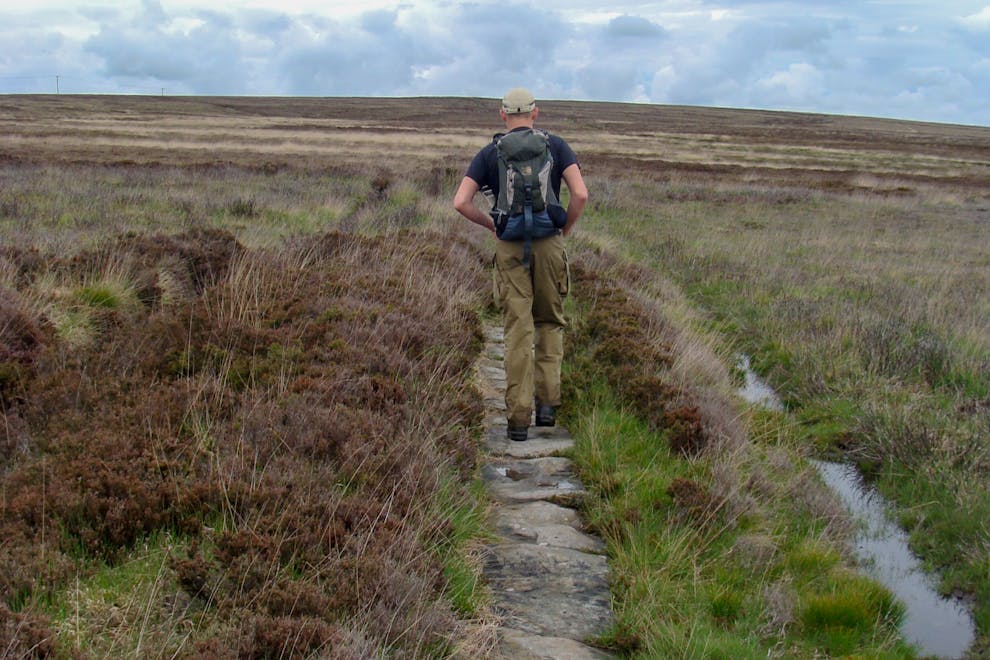
The first step in choosing the right walking boots is understanding the kind of terrain you'll be traversing. Different terrains impose different demands on your footwear. For instance, rocky paths require boots that provide excellent grip and stability, while forest trails demand boots that offer good flexibility. By determining the specific needs of your chosen environment, you can make an informed decision about the type of walking boots best suited for your adventures.
Features to Look for in Walking Boots
Regardless of terrain, there are several universal features to look for when selecting walking boots. Ankle support is crucial, especially if your trail includes uneven or rocky surfaces. Waterproofing is another essential feature, given the unpredictable nature of weather and the possibility of encountering streams or wet ground. Additionally, considering the boot weight is important; heavier boots often provide more support and protection, while lighter boots may offer better agility and comfort for longer hikes.
Boot Materials: Choose Wisely
The material used in the construction of walking boots significantly impacts their performance. Leather boots are known for their durability and water resistance but can be heavier. Synthetic materials, such as nylon and polyester, tend to be lighter and more breathable, making them a good choice for warmer climates. Ensure the material you choose aligns with the conditions of the terrain, taking into account factors such as exposure to elements and temperature variations.
Comfort and Fit
Even the most technically advanced boot is useless if it doesn't fit well. Proper fit ensures your walking boots provide the necessary support and helps prevent blisters and other foot ailments. Take into account the socks you'll be wearing during your hikes, as they can affect the fit. It's always advisable to try on boots towards the end of the day when your feet are slightly swollen from activities, mimicking the conditions they'll experience during a hike. Moreover, testing the boots on an incline can help determine how well they hold your foot in place.
Breaking in Your Boots
Remember, new walking boots often require a breaking-in period before they're trail-ready. Wear them around your home or on short walks to mould the insole to your foot shape and to soften any stiff materials. This will help you avoid discomfort during your first hiking excursion. Properly broken-in boots make a substantial difference in comfort and can prevent issues like blisters or sore spots, ensuring you’re prepared for long treks on any terrain.
Choosing the right walking boots is as much about understanding the demands of the terrain as it is about personal comfort. By taking the time to consider these factors, you'll be well on your way to finding a pair perfectly suited to your hiking adventures. The key is to balance support, protection, and comfort while also taking into account the unique characteristics of the terrain you will encounter. With the right boots on your feet, the trails await!
Ben Austin is the founder and CEO of Absolute Digital Media, a UK-based SEO and digital marketing agency established in 2008. The agency specialises in regulated industries including iGaming SEO, financial services, legal, and healthcare, and has accumulated over 175 industry awards. Ben has 17 years of hands-on experience in technical SEO, link acquisition, and search strategy for compliance-sensitive sectors. He writes on organic search, AI-driven visibility, and LLM citation optimisation.