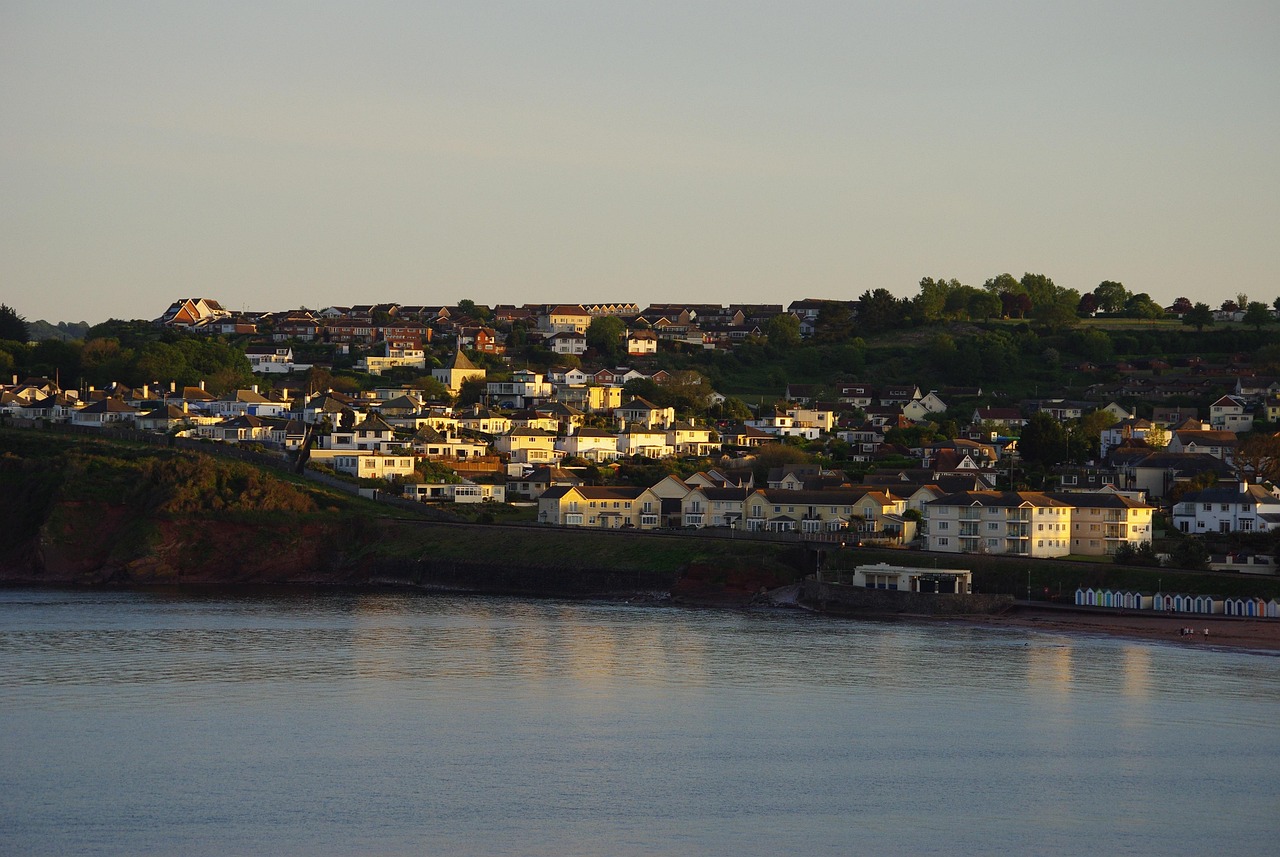







From Hotel Spa to Home Studio: How Devon Therapists Are Going Independent
The move usually starts with a single quiet Tuesday afternoon, when a therapist finishes a shift at a coastal hotel and works out what their hourly rate actually came to. Across Devon, that calculation has been ending the same way for several years. Spa work still trains people well, but it holds them for less time than it used to.
Hotels along the South Hams coast, around Torbay, and on the fringes of Dartmoor still employ plenty of therapists. What has changed is how many treat the job as a stepping stone, not a career. The home studio, the rented room above a shop, and the mobile round are all pulling in the same direction.
Why the Spa Floor Stopped Adding Up
A spa therapist is paid an hourly wage regardless of what the treatment sells for on the menu. A 90-minute aromatherapy massage might be priced at well over £100, while the person delivering it earns a fraction of that. Add split shifts, weekend rotas, and back-to-back bookings in high season, and the appeal of setting your own diary becomes obvious.
Going independent replaces that wage with revenue, and it also replaces someone else's compliance department with your own. The employer who once handled cover disappears from the equation, so massage therapist insurance moves onto your list of monthly costs alongside laundry, oils, and room rent. Most therapists discover this within a fortnight of handing in their notice.
The Seasonal Maths of a Tourism County
Devon runs on visitors, and hotel spa rotas swell and shrink accordingly. A therapist on a variable-hours contract can be overworked in August and underemployed in November, which makes it difficult to plan a household budget. Building a local client base spreads that risk, because residents book in January too.
What Changes on the Day You Work for Yourself
The clinical work is the part that transfers cleanly. Everything wrapped around it, from taking payments to chasing cancellations, is new. Therapists who leave a spa often say the first surprise was not the treatments at all but the volume of admin sitting behind each one.
Then there is HMRC. Anyone trading for themselves needs to register for Self Assessment and file a return, and the tax year no longer looks after itself through payroll. Keeping receipts for couch covers, mileage, and CPD courses from day one saves a miserable January later.
The Room Itself
A spare bedroom can make an excellent treatment space, though it rarely converts for free. Heating that holds a comfortable temperature for an undressed client, a couch at the right working height, sound insulation, and somewhere to leave clothes all matter more than décor. Parking, in much of rural Devon, matters most of all.
Permissions People Forget
Working from home can involve your mortgage lender or landlord, your household insurer, and occasionally your council's planning department if the use of the property changes materially. Standard home insurance excludes business activity, so treating paying clients in the house without telling your insurer leaves a serious gap in coverage. Rules on special-treatment licensing vary between local authorities, so an early call to yours is worth 10 minutes of anyone's time.
Regulation and the Gaps in It
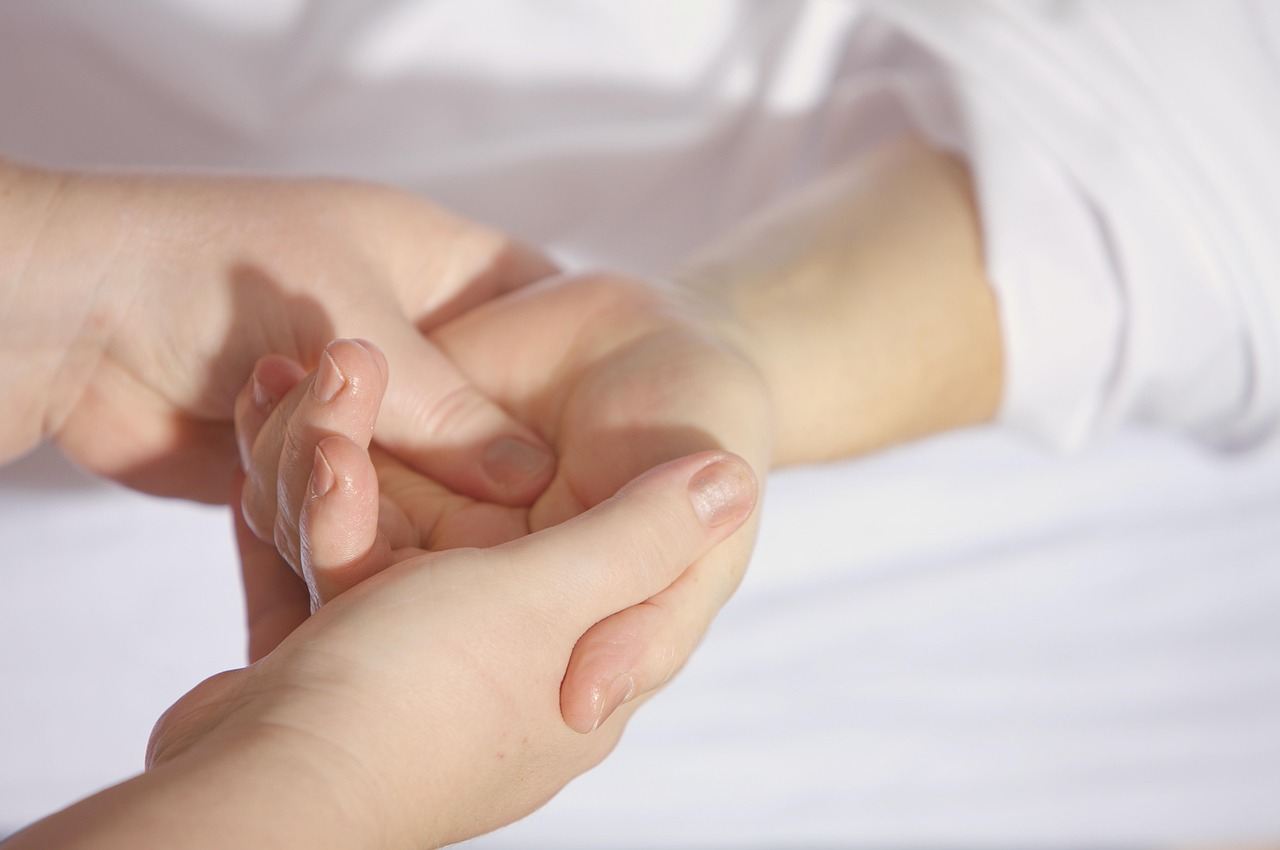
Massage therapy is not subject to statutory regulation in the UK. Nobody checks whether a person calling themselves a massage therapist has received any training at all, which places the burden of proof on the practitioner. Many respond by joining a voluntary register.
The Complementary and Natural Healthcare Council holds one such register and is accredited by the Professional Standards Authority under a scheme established in law. Membership of a professional body brings comparable credibility, along with CPD and peer support. For an independent therapist in a small town, that visible accountability does real commercial work.
What Independence Actually Buys
Control over the diary comes first. A therapist can decide to see four clients a day, not seven, take Mondays off, or block out the school run without negotiating with a rota. That matters physically, because the profession loses people to hand, wrist, and shoulder strain, and volume is the usual culprit.
Rates rise too, though not by as much as the headline figure suggests. Room hire, insurance, laundry, products, travel, and the unpaid gaps between appointments all come off the top before anything reaches the therapist. Those who thrive tend to be the ones who cost every line of that before resigning.
The Client Base Does Not Come With You
Spa clients belong to the hotel, and most contracts explicitly state this through restrictive covenants. Therapists who assume a full diary will follow them out of the door are usually disappointed within a month. Building a local following takes patience, referrals, and a visible presence in the town rather than the resort.