





Why Does My Dog Keep Getting Ear Problems? Here Are the Common Causes
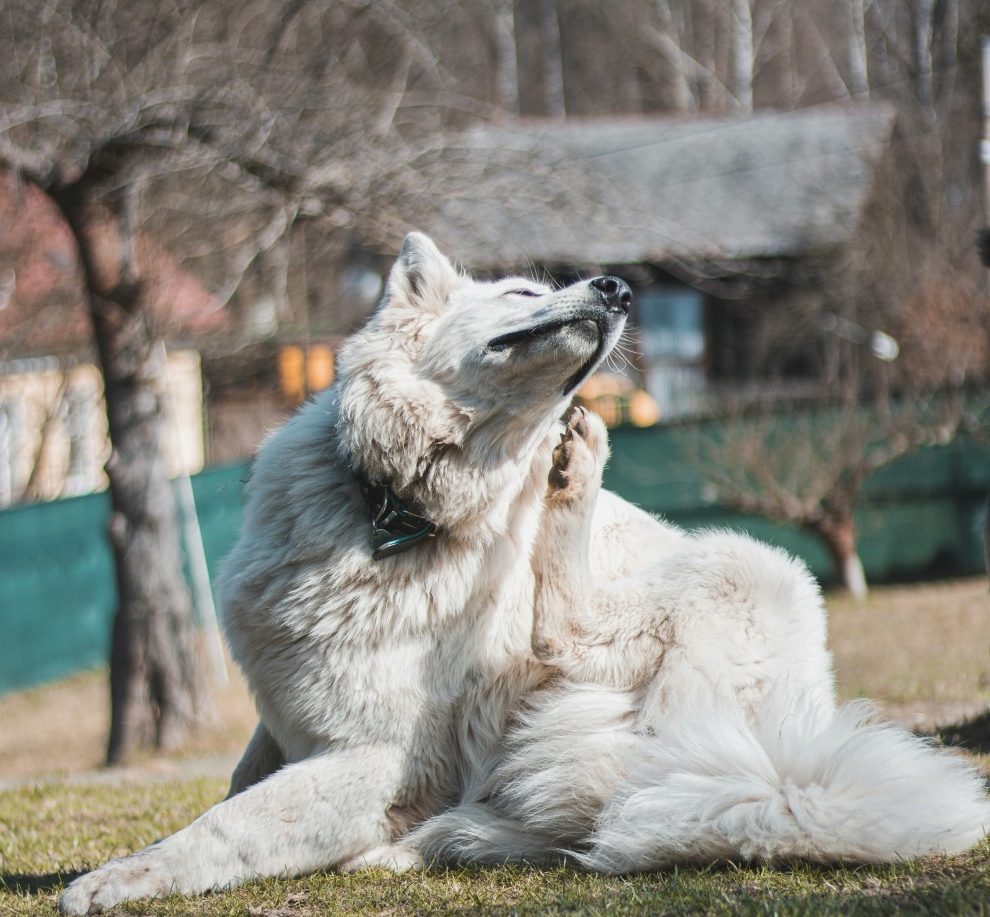
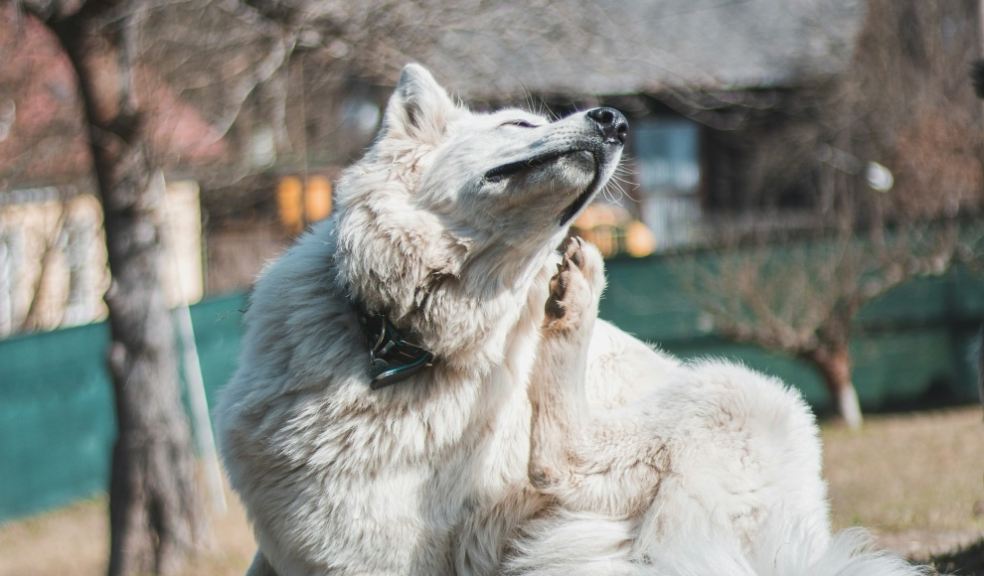
If your dog suddenly starts shaking their head or scratching at one ear, it’s easy to assume something has simply irritated them. But dog ear problems often have multiple causes.
Redness, discharge, wax, and unpleasant smells tell you something is wrong, but they don’t always explain why it happened. Allergies, parasites, foreign bodies, moisture and a dog’s anatomy can all contribute. Once inflammation develops, bacteria or yeast may worsen the problem.
Vets often group these influences into primary, secondary, predisposing, and perpetuating factors, known as the PSPP framework (Nuttall, 2023). Understanding these factors helps explain why some ear problems clear up while others keep returning.
Allergies and Other Primary Causes
Primary causes directly trigger inflammation in the ear canal. Allergic skin disease is one of the most common primary causes. In a study of 100 dogs with otitis externa, researchers identified allergic disease as a leading primary cause (Saridomichelakis et al., 2007).
Other triggers can include parasites and foreign bodies, such as grass seeds. A foreign body may cause sudden discomfort, particularly in one ear. Ear mites can also irritate the canal directly.
This is why cleaning alone won’t solve every problem. An appropriate dog ear cleaner may help manage wax and debris in dogs that need regular ear hygiene, but cleaning cannot remove every underlying cause. If you’re looking for an effective ear-care option for your dog, consider a vet-approved soothing spray like Pup Labs Ear Clear.
However, cleaning shouldn’t replace veterinary care. If your dog has persistent redness, pain, swelling, discharge, or recurring symptoms, ask your vet to investigate the underlying cause.
Why Are Some Dogs More Prone to Ear Problems?
Some factors don’t directly cause ear inflammation but can increase the risk. The structure of a dog’s external ear canal can affect ventilation and moisture retention. Narrow canals, hair, and increased humidity may also change conditions within the ear (Gotthelf, 2016).
However, the familiar idea that floppy ears automatically cause infections oversimplifies the issue. A 2025 retrospective study involving 868 dogs found associations between otitis externa and several characteristics, including breed, size, sex, and ear-related features. Brachycephalic dogs showed an increased risk, while researchers linked other characteristics to a lower risk (Ponn et al., 2025).
Do Swimming and Earwax Cause Problems?
Dogs across Devon have plenty of opportunities to get wet, from trips to the beach to countryside walks that end with a splash in a river. Moisture left inside the ear can create conditions that make an already susceptible ear more troublesome.
This doesn’t mean swimming automatically causes an ear infection. Moisture generally acts as a predisposing factor rather than the underlying disease.
Earwax also needs some perspective. Cerumen is a normal secretion, so finding wax doesn’t necessarily mean something is wrong. However, when inflammation affects the ear canal, changes in secretion and ventilation can lead to material buildup.
After swimming or bathing, gently dry the accessible outer ear. Avoid putting cotton buds or other objects into the canal. Aggressive cleaning may irritate an ear that is already sore. If your dog regularly develops symptoms after getting wet, speak to your vet. Another underlying problem may be making their ears more vulnerable.
Bacteria and Yeast Can Make Matters Worse
Bacteria and yeast usually act as secondary factors. They can multiply after another condition has disrupted the ear environment. This distinction explains why finding bacteria doesn’t necessarily reveal the original cause.
Vets can use cytology to examine material from an affected ear. Along with your dog’s medical history and an examination of the canal, this can help determine what is happening and guide treatment (Hoff, 2025).
Research published in 2025 identified Staphylococcus pseudintermedius as the most frequently detected bacterial species in the study, followed by Staphylococcus aureus and Pseudomonas aeruginosa. Researchers also reported antimicrobial resistance and recurrence associated with P. aeruginosa (Saraiva et al., 2025).
For owners, there’s a straightforward takeaway: don’t use leftover ear medication or repeatedly treat a troublesome ear without veterinary advice. The right treatment depends on what your vet finds.
Why Do Dog Ear Problems Keep Coming Back?
Recurring ear trouble can frustrate owners and make dogs uncomfortable. Long-term inflammation can change the tissues inside the ear canal. Research has found glandular and hair follicle changes in ears affected by otitis compared with healthy ears (Huang et al., 2009). Chronic inflammation may eventually contribute to thickening and narrowing of the canal, making future problems harder to manage.
This is where the PSPP framework becomes particularly useful. An allergy might start the inflammation. Anatomy or moisture could make the ear more vulnerable. Bacteria or yeast may then multiply, while chronic tissue changes can help keep the cycle going.
Treating the secondary problem might provide short-term relief, but recurrent cases often require vets to identify and manage the underlying factors too (Nuttall, 2023).
When Should You Take Your Dog to the Vet?
Watch for persistent head shaking, scratching, redness, swelling, discharge, unpleasant smells, or pain when you touch your dog’s ear. Sudden symptoms affecting just one ear can sometimes indicate a foreign body, such as a grass seed.
Your vet can examine the canal with an otoscope and may take a sample for cytology. Dogs with recurring ear trouble may need further investigation, particularly when allergies appear to play a role.
You can help by noting when the problem started, whether it affects one or both ears, and whether your dog has recently swum or bathed. Tell your vet about previous ear problems and treatments, as well as itching elsewhere on the body.
Keeping Your Dog’s Ears Healthy
There isn’t one simple explanation for every sore or itchy ear. Allergies, parasites, foreign bodies, anatomy, moisture and microorganisms can all contribute, while long-term inflammation may increase the likelihood of further problems.
Learn what’s normal for your dog and check their ears regularly for changes. Routine cleaning may form part of their ear-care regime, but persistent or painful symptoms need veterinary attention. When problems keep returning, understanding why the ear became inflamed matters as much as treating what you can see.
References
- Gotthelf, L. N. (2016). Factors that predispose the ear to otitis externa. In Small Animal Ear Diseases: An Illustrated Guide (Ch. 7). Veterinary Key.
- Hoff, S. (2025). Otitis externa in animals. Merck Veterinary Manual.
- Huang, H. P., Little, C. J. L., & McNeil, P. E. (2009). Histological changes in the external ear canal of dogs with otitis externa. Veterinary Dermatology, 20(5–6), 422–428.
- Nuttall, T. (2023). Managing recurrent otitis externa in dogs: What have we learned and what can we do better? Journal of the American Veterinary Medical Association, 261(S1), S10–S22.
- Ponn, P. C., Tipold, A., Goericke-Pesch, S., & Volk, A. V. (2025). Brachycephaly, ear anatomy, and co – does size matter? Animals, 15(7), 933.
- Saraiva, S., et al. (2025). Bacterial agents and antimicrobial-resistance patterns in canine otitis externa. Animals, 15(22), 3317.
- Saridomichelakis, M. N., et al. (2007). Aetiology of canine otitis externa: A retrospective study of 100 cases.Veterinary Dermatology, 18(5), 341–347.