





More Devon savers are asking about CFDs - here's what they actually are
Between the seasonal cafés, the farm shops, and the small tourism operators that keep much of Devon's economy ticking through the summer months, there's always been a strong local instinct toward not putting all your eggs in one basket. It's the same logic that's behind a noticeable rise in interest, over the past year or so, in a form of trading that a decade ago barely registered outside the City: CFD trading.
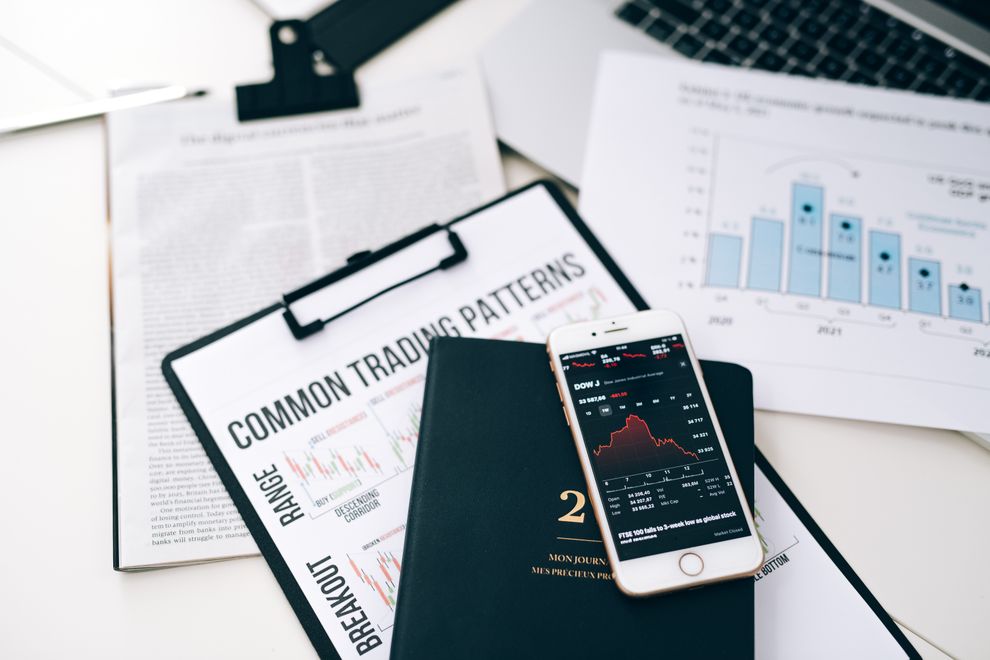
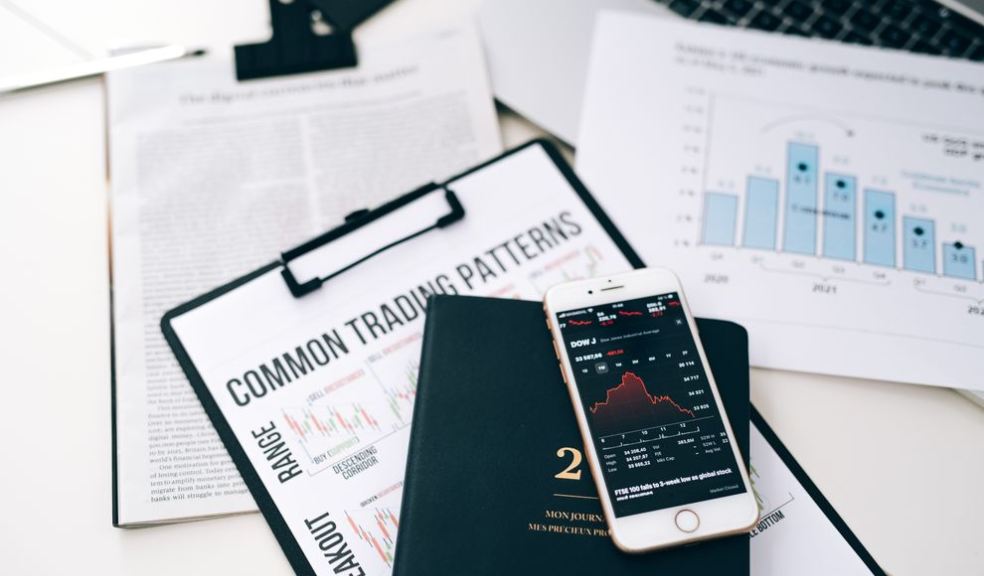
For anyone who hasn't come across the term, a CFD — contract for difference — is essentially an agreement between two parties to exchange the difference in the price of an asset between when a position is opened and when it's closed, without either party actually owning the underlying asset. In plain terms, it lets you speculate on whether something's price will rise or fall — a share, a currency pair, gold, oil, an index — without buying the thing itself.
That distinction matters more than it might sound. Because you're not taking ownership, CFDs let you go short as easily as you go long, meaning you can potentially profit from a falling price just as readily as a rising one. They also typically involve leverage, which lets you control a larger position with a smaller amount of capital upfront — a feature that magnifies both potential gains and potential losses, and one that anyone considering this kind of trading needs to understand thoroughly before opening a position.
This year has offered plenty of real-world examples of why that flexibility appeals to people. Oil prices have swung by more than ten per cent in a single week amid the ongoing crisis around the Strait of Hormuz. Silver more than doubled over the course of 2025 before crashing by over half and then partially recovering within weeks. Nvidia's share price lost nearly a third of its value in a matter of weeks this spring before clawing most of it back by summer. Markets moving that fast, in both directions, are exactly the kind of conditions where the ability to take a position either way — rather than being limited to profiting only when prices rise — becomes genuinely relevant rather than a theoretical nicety.
Locally, the appeal seems to be less about chasing quick riches and more about diversification — a way of putting a modest portion of savings to work in markets that don't move in lockstep with the value of a holiday cottage or the takings from a farm shop's busiest month. Several small business owners around Exeter and along the coast have mentioned setting aside a small, clearly defined portion of savings to experiment with this kind of trading, treating it explicitly as higher-risk money rather than anything approaching a pension pot.
That distinction — treating speculative trading capital separately from long-term savings — comes up constantly among people who've been doing this for a while, and for good reason. CFDs carry genuinely elevated risk precisely because of the leverage involved: a relatively small adverse price movement can result in losses that exceed what many beginners expect, which is why responsible position sizing and a clear exit plan matter more here than in most other forms of investing.
It's also worth understanding what CFDs are not. They're not a way of acquiring physical assets — you'll never end up holding actual barrels of oil or bars of silver through a CFD position, unlike, say, buying physical bullion. And they're not a shortcut around the basic discipline that underpins any form of trading: understanding what you're buying, why you expect it to move, and what you'll do if you're wrong.
For Devon residents weighing up whether this kind of trading has a place in their finances, the practical starting point is usually the same one that applies to any new form of investing: start small, take the time to understand how leverage actually works before using much of it, and treat the first few months as a genuine learning period rather than a race to prove the concept works. The people who tend to stick with it longest are rarely the ones who started biggest.
Whatever your view on markets generally, this year has been a fairly vivid demonstration of how much they can move, and how quickly. For anyone curious about a form of trading built specifically around that kind of movement, understanding the mechanics properly before committing real money isn't just sensible advice — it's the difference between an informed decision and a costly guess.
A handful of local financial advisers around Exeter and Torbay say the conversations they're having with clients about this have shifted noticeably over the past year — less about whether to get involved at all, and more about how to do it sensibly alongside everything else in a household's finances. That's probably a healthier starting point than either extreme: dismissing it outright, or diving in without doing the groundwork first.
Trading CFDs involves a high level of risk and most retail investor accounts lose money.