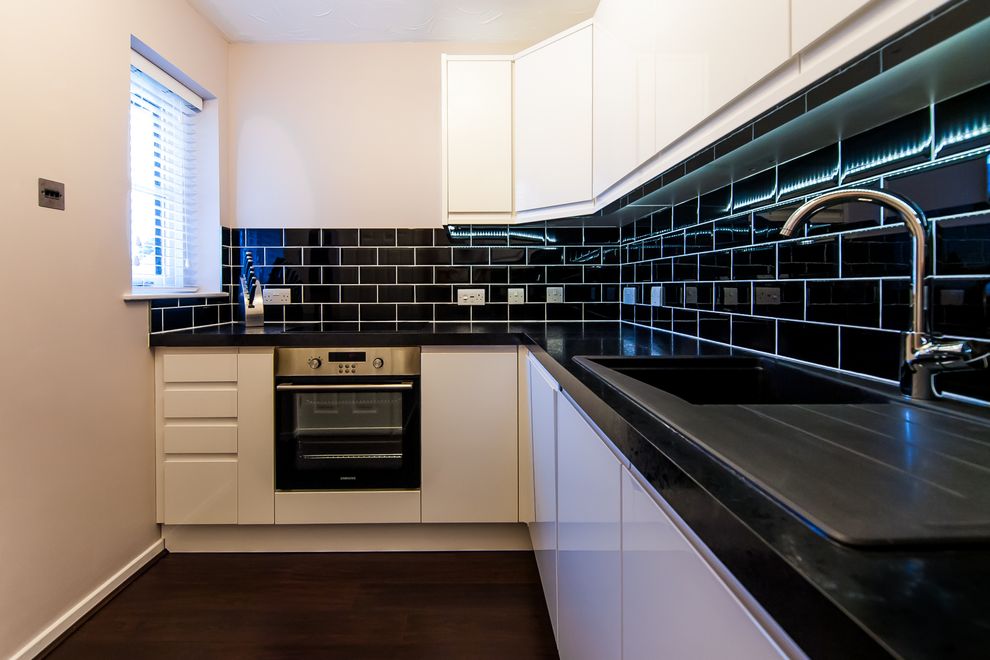






How to Get Better Value From Your Kitchen Remodeling Budget
A kitchen remodel can quickly become one of the biggest investments you make in your home. From new appliances and countertops to flooring, lighting, and cabinets, there are countless decisions that can affect both the final cost and the quality of the finished space. While it is tempting to look for the cheapest options available, getting good value does not always mean spending the least amount of money.
A smart kitchen remodel focuses on quality, practicality, and longevity. By thinking carefully about where your money goes, you can create a beautiful kitchen that works for your family without wasting your budget.
Start With a Realistic Budget
Before choosing countertops or browsing cabinet styles, determine how much you can comfortably spend. Having a clear budget can help you decide which features deserve the most attention and where you can make compromises.
It is also wise to set aside part of your budget for unexpected expenses. Remodeling projects can uncover plumbing, electrical, flooring, or structural issues that were not obvious before work began. Having some money reserved for surprises can prevent a small problem from becoming a major financial headache.
Spend Wisely on Kitchen Cabinets
Cabinets are one of the most noticeable and frequently used parts of a kitchen. They also tend to represent a significant portion of a remodeling budget, so choosing them based solely on price can be a mistake.
Some homeowners automatically turn to large home improvement stores because they are convenient and offer a wide selection. However, there are reasons why you shouldn't buy kitchen cabinets from Home Depot, particularly if your priority is customization, craftsmanship, and long-term value. Stock and ready-to-assemble options may not provide the same level of flexibility as cabinets from a specialist manufacturer. Homeowners may also find that their choices are more limited when it comes to exact dimensions, finishes, storage configurations, and other details.
This does not mean every cabinet sold at a big-box retailer is poor quality. Instead, it means homeowners should compare construction, materials, hardware, warranties, installation, and customization before making a purchase. Working with a cabinet specialist can make it easier to find options designed specifically around your kitchen and your family's needs.
Think About How You Use the Space
A beautiful kitchen is not necessarily a functional one. Before making design decisions, consider how your household actually uses the room.
Do you prepare meals every day? Do your children regularly grab snacks from the kitchen? Do you entertain friends and relatives? Do you need more storage for cookware, small appliances, or pantry items?
Answering these questions can help you prioritize practical features. A well-designed cabinet layout, convenient drawers, a useful pantry, and easy-to-clean surfaces may provide more value than simply choosing the most expensive finishes.
Choose Quality Where It Matters
Not every part of a kitchen needs to be premium. However, it is worth investing in areas that receive heavy daily use.
Cabinet doors, hinges, drawer slides, faucets, and countertops are handled regularly and can experience significant wear. Choosing durable materials in these areas can help your kitchen continue looking and functioning well over time.
You can save money on less critical design elements, such as decorative accessories or trendy finishes, without sacrificing the overall quality of the room.
Be Careful With Trends
It can be exciting to fill a new kitchen with the latest colors and design trends, but trends can quickly become outdated. If you are planning to stay in your home for many years, consider choosing timeless materials for major components such as cabinets, flooring, and countertops.
You can still introduce personality through lighting, wall colors, artwork, window treatments, and smaller accessories. These elements are generally easier and less expensive to change when your tastes evolve.
Compare More Than Just Prices
When comparing remodeling options, look beyond the initial price tag. A cheaper product may require more maintenance, have fewer customization options, or need to be replaced sooner.
Ask about installation requirements, warranties, materials, construction methods, and expected durability. Understanding the full cost of a product can help you make a more informed decision.
It is also worth getting multiple estimates for major parts of the project. Comparing different contractors, cabinet suppliers, and materials can reveal differences that are not obvious from the advertised price alone.
Avoid Rushing Your Decisions
One of the easiest ways to waste money during a remodel is to make decisions too quickly. Once construction begins, changing your mind can become expensive.
Take time to compare samples, measure your space carefully, consider storage needs, and think about how each choice will work with the rest of your home. A little extra planning can prevent costly mistakes.
Focus on Long-Term Value
A successful kitchen remodel should do more than look attractive when the project is finished. It should make everyday life easier and provide lasting value for your household.
By creating a realistic budget, prioritizing quality, choosing cabinets carefully, and focusing on functionality, you can make your remodeling money go further. The goal is not simply to spend less. It is to spend wisely on features that will continue to serve your family for years to come.