





Why Travelling by Sea Can Make the Journey Part of the Holiday
Most of us just want to reach our destination as fast as possible. Flights and tight connections save time, but they can turn travel into something you endure rather than enjoy. Sea travel is different, instead of treating those hours as dead time, you can use them to unwind, watch the scenery shift, and ease into your holiday at a gentler pace.
If you're weighing up routes and sailing dates, browsing current Ambassador Cruise Line offers gives a feel for what's out there. It isn't just about where a ship ends up, it's how the journey becomes part of the holiday.
A Gentler Start
Flying usually means an early alarm, queues, and hanging about in departure lounges. Even a short flight can eat up most of a day once you count getting to and from the airport.
Sea travel eases you in. Once you've boarded and found your cabin, there's time to wander the ship or watch the coast slip away. The shift into holiday mode happens gradually, a relief if you find airports draining.
Watching the View Change
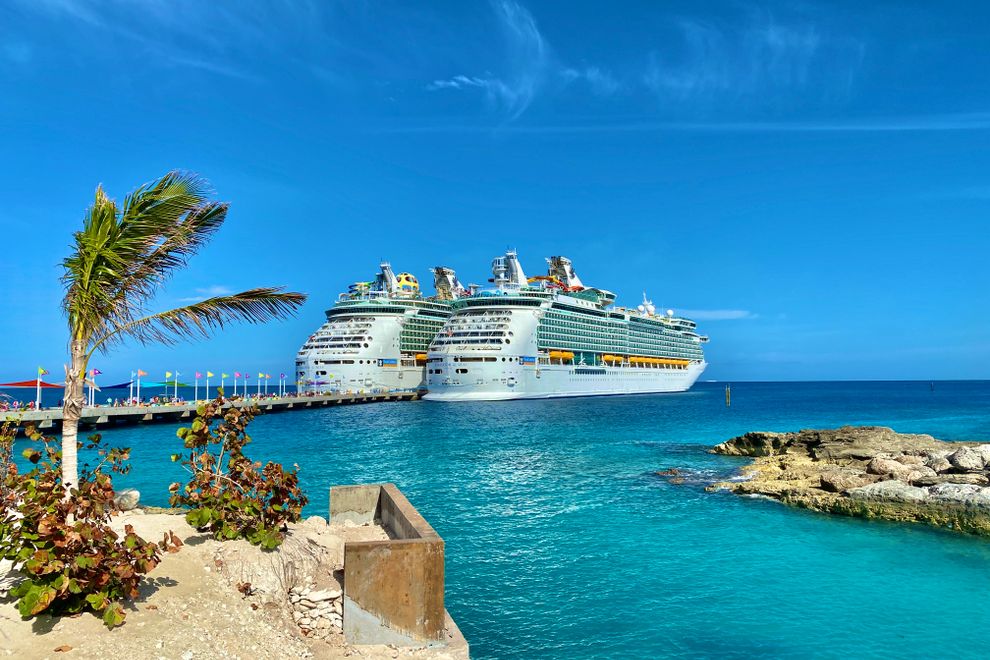
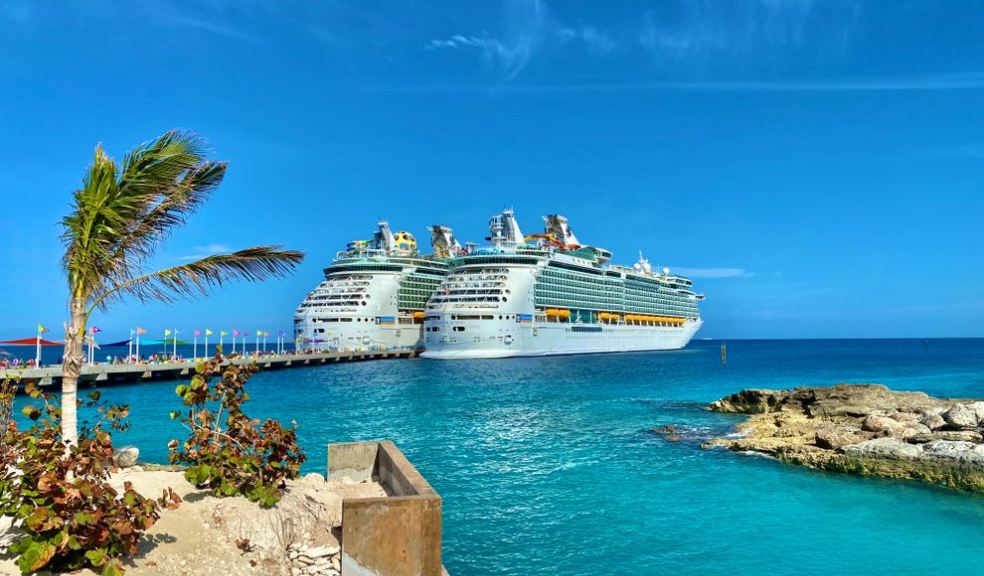
The biggest difference between sailing and flying is the view. From a deck, you can watch harbours, cliffs and coastlines shift over hours rather than vanishing beneath you at altitude.
If you're from Devon, this might feel familiar already, given the county's deep ties to the sea and its old fishing ports. As the ship nears its destination, your first glimpse might be a harbour or land rising out of the water, often a clearer sense of place than stepping off a plane into a taxi.
Sailing Into Historic Harbours
Many European cities grew up around their ports, and arriving by sea lets you see that history first-hand. Old forts, lighthouses and waterfront buildings can be your first impression of a place. Cities like Lisbon, Copenhagen and Amsterdam have strong maritime roots, while smaller ports might drop you right beside a fishing village. Not every terminal sits in the city centre, so it's worth checking transfer distances beforehand.
Time to Catch Your Breath
Multi-stop holidays can feel like a blur, arriving late, checking in, and sightseeing again by morning with barely a pause. Sea days give you a proper breather between stops: time to rest, read, or plan what's next, which makes busier port days feel far more manageable.
How much time you spend at sea versus in port varies a lot between itineraries, so it's worth thinking about which pace actually suits you.
The Journey Itself Is Part of the Fun
A voyage isn't just transport. Depending on the route, you might spot islands, headlands, or even dolphins. Sunrises feel bigger at sea with nothing blocking the horizon, and breakfast while the ship glides into harbour can become a lasting memory. Rough weather or poor visibility can make things less comfortable, though, so anyone prone to seasickness should get advice before setting off.
Less Faff With Bookings
On a land-based trip through several countries, every move usually means another booking, trains, hire cars, hotel check-ins to juggle. A cruise wraps accommodation and transport into one: your cabin stays put while the ship does the moving.
That takes a lot of hassle out of visiting several places at once, especially if you're travelling with a lot of luggage or medication. You'll still need to sort travel to the port and insurance, but the moving-between-places bit is already built in.
A Different Feel for Distance
Flying tends to make countries feel disconnected, since the bit in between is invisible. Sailing gives a better sense of geography, you actually see how the landscape shifts along the way.
That slower pace can change how you think about distance altogether. Instead of fixating on arrival, you start noticing the space in between, and the holiday feels like one continuous journey rather than a string of separate stops.
More Room to Slow Down
A packed itinerary leaves little space to breathe. On board, you choose how you spend your time: a quiet corner on deck, a good book, or an organised activity if that's more your thing. Travel time is yours to use, not eaten up by transfers and connections.
That said, it won't suit everyone. Some people want constant access to cities and countryside, and might find several sea days in a row too slow-going.
Getting the Most Out of It
Before you go, check the route: how many sea days there are, when you'll dock, and whether there are scenic stretches worth watching for. Pack a light jacket, comfy shoes, and something good to read.
Keep expectations realistic too. Sea travel can be wonderfully calm, but schedules can shift because of weather or port conditions. A bit of flexibility goes a long way.
More Than Just a Way to Get There
Travelling by sea offers a different kind of holiday, where the journey and the destination blur into a single experience rather than staying separate.
If you love watching landscapes change, sailing into a harbour, and taking things at a slower pace, the time spent at sea can end up being just as memorable as the places you actually visit. It won't replace flying for every trip, but it's a more considered, unhurried way to travel when the mood takes you.