





How to Create a Healthier Home Environment
Your home should be the place where you feel safe and the most comfortable. If your rooms are stuffy with poor lighting, have lingering moisture and hidden pollutants, you will not be able to relax there.
A few practical adjustments can help you create an environment that feels fresher, more comfortable and easier to live in every day.
Improve Indoor Air Quality
The air inside your home can contain dust, pet dander, pollen and other particles that build up over time. When these accumulate, they may leave rooms feeling stale.
Focus on reducing the sources of indoor pollution while removing existing particles. Vacuum carpets and upholstered furniture regularly using a vacuum with a HEPA filter, which captures much smaller particles than standard models. If you have pets, washing bedding and soft furnishings more frequently can prevent fur and dander from spreading throughout the house.
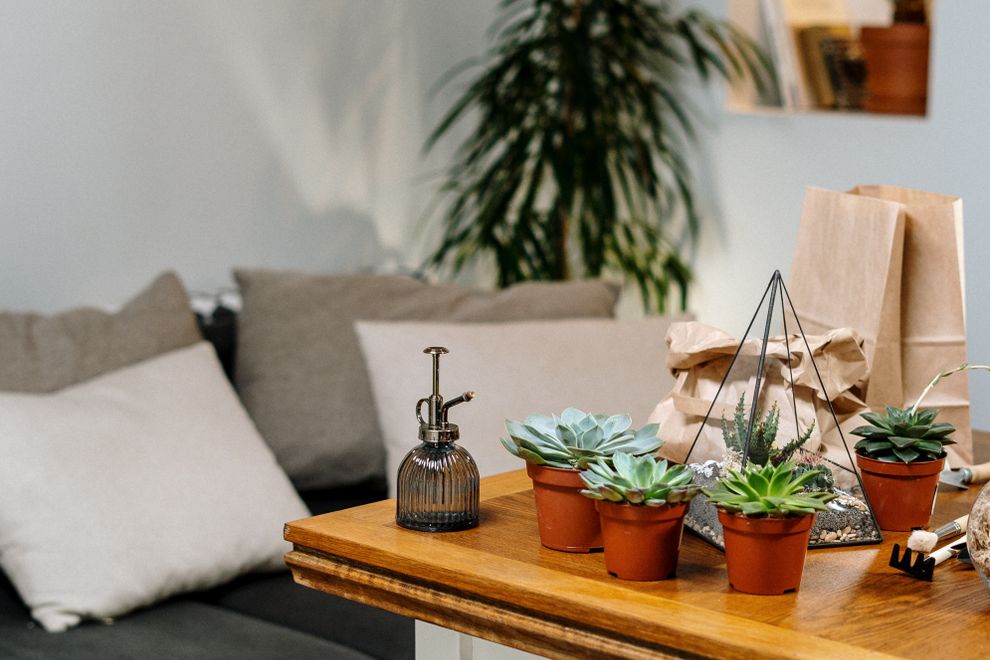
Houseplants often receive attention for their decorative value, but they can also encourage you to create a calmer living environment.
Make the Most of Natural Light
Exposure to daylight helps regulate your body's internal clock, which can support better sleep patterns and improve mood throughout the day. Remove heavy curtains, overcrowded windowsills and large pieces of furniture positioned near windows. Use coverings with lighter fabrics where appropriate and keep glass clean so sunlight can enter unobstructed.
In smaller rooms, mirrors can help reflect natural light deeper into the space. This creates a more welcoming environment while reducing reliance on artificial lighting during daylight hours.
Improve Ventilation and Air Circulation
Fresh air helps remove excess moisture, odours and airborne contaminants. Without sufficient ventilation, condensation can develop, creating conditions where mould may thrive.
Open windows regularly to encourage fresh air movement through your home. Even ten to fifteen minutes can help replace stale indoor air with cleaner outdoor air.
Many households rely on modern extractor fans to remove humid air from these spaces. Running them during and after cooking or bathing helps prevent condensation from settling on walls and ceilings. In practical terms, this can mean fewer damp patches, less mould growth and reduced cleaning demands over time.
Develop Healthier Cleaning Habits
In many situations, warm water, mild detergent and a microfibre cloth can remove dirt successfully without introducing unnecessary chemicals into your living space. Regular cleaning of high-contact areas reduces the spread of germs, particularly during colder months when illnesses often circulate more widely. A simple weekly routine tends to be more sustainable than occasional deep-cleaning sessions, making it easier to maintain a consistently healthy environment.
Reduce Everyday Household Pollutants
Many common household items release pollutants into the air. These may come from cleaning products, air fresheners, candles, paints or certain types of furniture. Review the products you use most frequently and look for lower-emission alternatives where possible.
Storage choices can also make a difference. Keeping solvents, paints and other chemicals securely sealed and stored in a garage or shed prevents fumes from circulating indoors. Small steps like these may seem insignificant individually, but together they can noticeably improve the quality of your home environment and help create a space where you can relax, focus and feel more comfortable every day.