





Why Profhilo Is Popular in Modern Aesthetic Medicine
Aesthetic medicine has changed. Not long ago, most conversations centred on fixing a single concern: a deep fold, a hollow cheek, a sharper jawline. Today, patients are just as interested in something less dramatic but arguably more important: skin quality. They want healthier-looking skin, better hydration, smoother texture, and a rested appearance that does not read as “work done.”
That shift helps explain why Profhilo has become such a talking point in clinics. It sits neatly within a broader movement toward subtle, regenerative-looking results. Rather than creating obvious volume or changing facial structure, it is typically discussed in terms of skin support and overall freshness. For many patients, that distinction matters.
A Shift From Correction to Skin Quality
Patients want to look refreshed, not altered
One of the defining trends in modern aesthetics is the move away from visibly “treated” faces. Social media may still amplify extreme transformations, but in everyday practice, many patients are asking for the opposite. They want compliments like “you look well” or “have you changed your skincare?” rather than “what have you had done?”
That has changed how treatments are evaluated. Aesthetic success is no longer only about contouring or wrinkle reduction. It is also about luminosity, elasticity, and hydration, especially in people whose early concern is not sagging or volume loss, but tired, crepey, or dull skin.
Profhilo appeals in that context because it aligns with the idea of enhancement rather than alteration. It is often chosen by patients who are not ready for traditional filler, or who do not need structural correction but feel their skin no longer looks as resilient as it once did.
Prevention and maintenance are now part of the conversation
Another reason for its popularity is timing. Patients are engaging with aesthetic medicine earlier, often in their late twenties, thirties, and forties, when the goal is maintenance rather than repair. They are thinking about collagen loss, dehydration, and skin thinning before these changes become pronounced.
That makes treatments focused on skin behaviour especially relevant. Modern patients are informed; they understand that ageing is not only about lines, but also about declining tissue quality. As a result, injectables that support the skin itself have earned a more prominent place in treatment planning.
What Makes Profhilo Different
Not a traditional filler
Part of the public interest comes from confusion, and that is not necessarily a bad thing. Many people hear the word “injectable” and assume all products do the same job. In reality, they do not. Traditional dermal fillers are typically used to restore lost volume, define contours, or reshape features. Profhilo is discussed differently because its main purpose is not to sculpt.
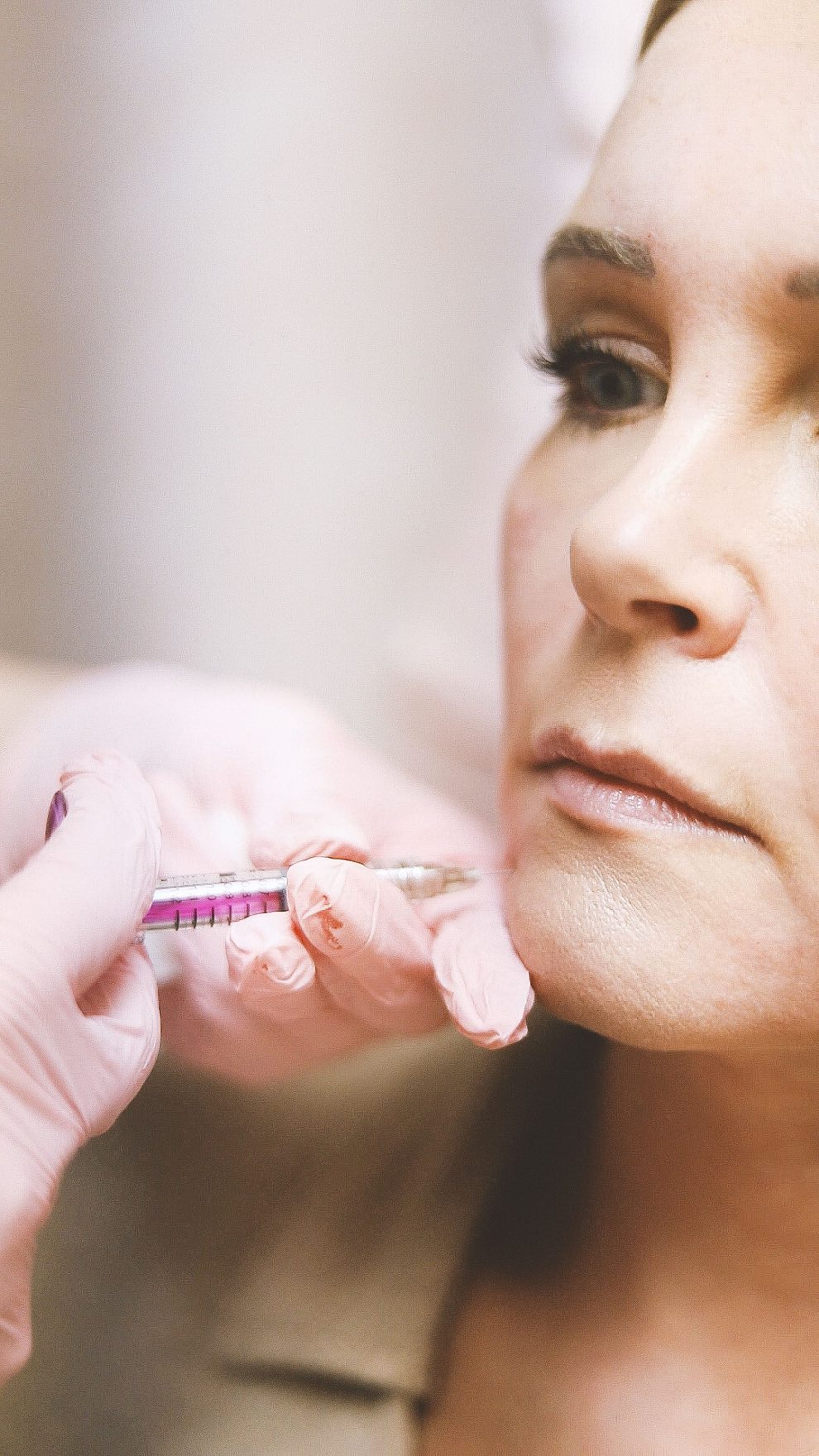
Instead, it is generally understood as a high-concentration hyaluronic acid treatment designed to spread through tissue and improve hydration and skin quality. That distinction is why it appeals to both first-time patients and experienced ones looking for something softer in effect. For readers who want a straightforward reference point, this overview of the Profhilo injectable skincare solution is helpful in understanding why it occupies a different space from classic fillers.
A treatment built around bio-remodelling
The term often associated with Profhilo is “bio-remodelling,” and that matters. In practical terms, the treatment is popular because it is framed around supporting the skin’s own function rather than simply placing product to fill an area. That resonates with where aesthetics is heading: toward treatments that work with tissue quality, not just on top of visible symptoms.
In clinic discussions, this usually translates to a few key benefits patients care about most: improved hydration, a smoother surface, and skin that appears firmer or more elastic over time. The result is usually described as subtle, which is precisely why many people like it. Not every patient wants a dramatic before-and-after. Plenty want a result that is almost impossible to identify, yet easy to appreciate.
Why Practitioners Value It
Efficient treatment protocols and versatile use
From a practitioner’s perspective, popularity is not just about hype. Treatments gain traction when they fit real patient demand and produce consistent satisfaction. Profhilo has benefited from both.
It is often used on the face, but interest has also grown in areas that are harder to treat well with topical skincare alone, such as the neck, décolletage, and hands. These are regions where skin quality changes can become obvious, yet where heavy correction rarely looks elegant. A treatment that focuses on hydration and tissue support is naturally attractive there.
Another practical factor is that modern patients want effective treatments with manageable downtime. They are busy. They want procedures that fit around work, parenting, travel, and social life. Treatments that can be delivered relatively efficiently, with a straightforward protocol, tend to perform well in the real world.
It fits a broader, more personalised treatment plan
Aesthetic medicine is increasingly layered. Skilled practitioners rarely rely on a single intervention for every concern. Instead, they combine approaches depending on whether the priority is pigmentation, laxity, volume loss, redness, or texture.
Profhilo’s popularity is partly due to how easily it can sit within that framework. It is often considered complementary rather than competitive. Someone might still benefit from energy-based treatments, prescription skincare, neuromodulators, or carefully placed filler, but skin hydration and elasticity remain their own category of concern. In that sense, Profhilo helps fill a gap between topical skincare and more structural injectables.
What Patients Should Keep in Mind
Good candidates are seeking improvement, not transformation
The strongest results usually come when expectations are realistic. Profhilo is not typically chosen to create cheekbones, erase deep folds, or lift significant tissue descent. Patients who understand that tend to be happiest with it. It is more suited to someone who says, “My skin looks tired,” than someone who wants major reshaping.
That may sound obvious, but expectation management is one of the defining factors in aesthetic satisfaction. A subtle treatment can feel impressive when it is matched to the right concern. The same treatment can feel underwhelming if someone expects it to do a filler’s job.
Injector skill still matters
Its popularity should not be confused with simplicity. Even treatments known for subtle outcomes require proper assessment, anatomical understanding, and careful patient selection. Good aesthetic medicine is never just about the product. It is about diagnosis, technique, and knowing when a treatment is appropriate—or when it is not.
That is especially important now, when demand for “natural” results has grown. Ironically, subtle work often requires more judgment, not less. The best outcomes are usually the ones that do not announce themselves.
The Bigger Reason It Has Lasting Appeal
Profhilo is popular because it reflects what modern aesthetic medicine increasingly values: skin health, restrained enhancement, and results that integrate naturally into a person’s appearance. It answers a very current question from patients: how can I look fresher without looking different?
That question is unlikely to disappear. If anything, it is becoming more central to the industry. As patients become more discerning, treatments that support believable, low-drama improvements will continue to stand out. Profhilo has found its place not because it replaces every other injectable, but because it speaks directly to where aesthetics is heading next.