




Why Lifelong Learning Starts at Home and Benefits the Whole Family
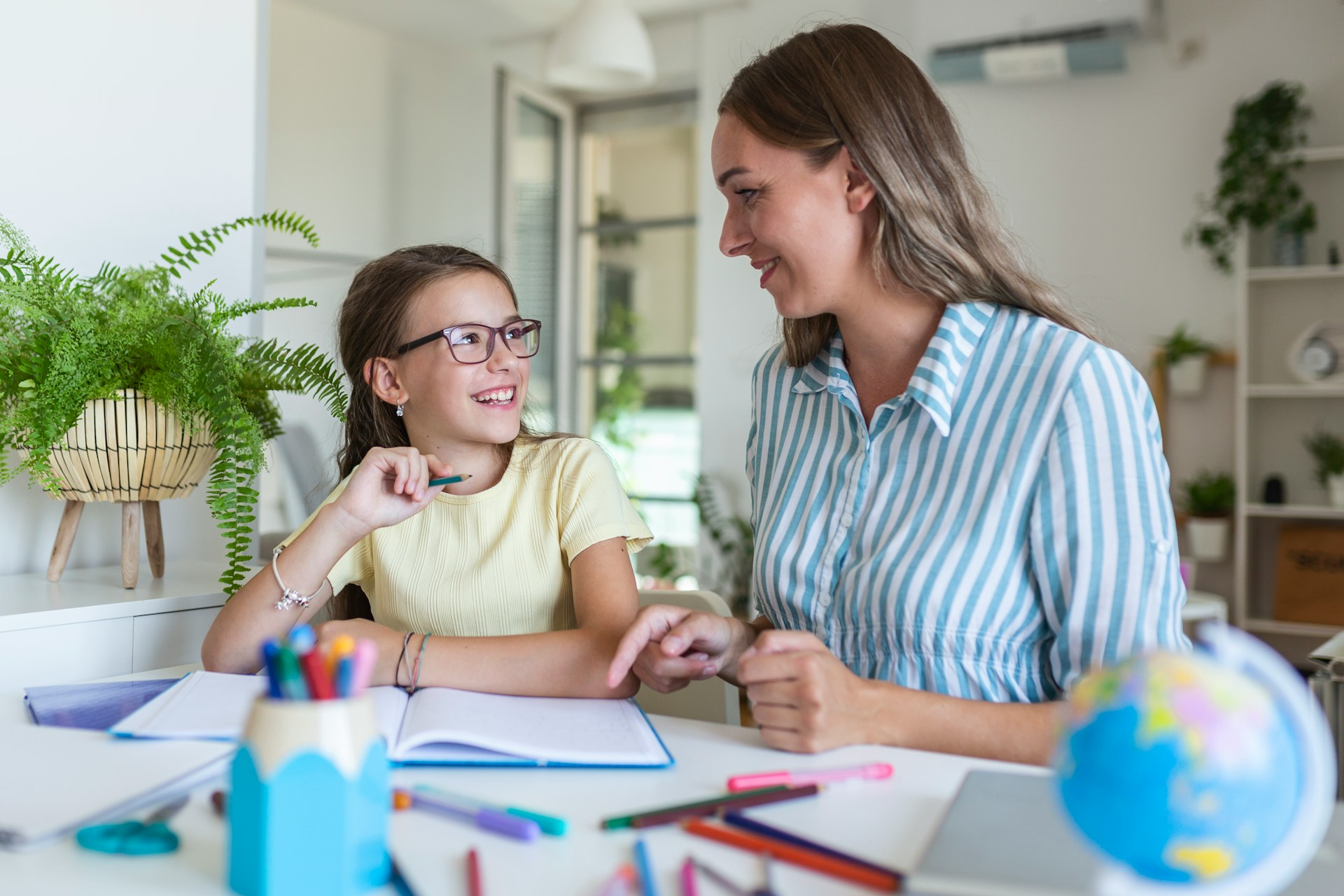
Learning is often associated with classrooms, homework, and formal education, but some of the most valuable lessons happen long before children enter school and continue long after the final bell rings. The home is where curiosity is first encouraged, questions are answered, and everyday experiences become opportunities for growth.
Families that embrace lifelong learning don't need expensive resources or rigid schedules. Instead, they create an environment where discovering new ideas becomes part of everyday life. Whether it's exploring nature, cooking together, discussing current events, or learning a new skill, these shared experiences strengthen family relationships while helping children develop confidence and resilience.
As education continues to evolve, many parents are recognizing that learning doesn't begin and end with traditional schooling. It is an ongoing journey that involves the entire family.
Learning Happens In Everyday Moments
Children are naturally curious. They constantly ask questions, experiment with new ideas, and observe the world around them. Parents who encourage these moments help foster a love of learning that can last a lifetime.
Simple daily activities often provide meaningful educational experiences. A trip to the local market introduces children to budgeting, nutrition, and communication skills. Gardening teaches patience, responsibility, and science. Preparing meals together offers practical lessons in mathematics, reading, and teamwork.
When children see learning as something woven into everyday life rather than limited to textbooks, they become more willing to explore unfamiliar topics and solve problems independently.
Parents Become Lifelong Learners Too
One of the greatest benefits of family-centered learning is that adults continue growing alongside their children. Parents don't need to have all the answers. In fact, admitting when they don't know something and searching for answers together models an important lesson: learning never truly ends.
Whether researching a historical event, identifying wildlife during a countryside walk, or watching educational documentaries together, families demonstrate that curiosity remains valuable throughout adulthood.
Children notice these habits. When they see adults reading books, developing new hobbies, or improving professional skills, they begin viewing personal growth as a lifelong pursuit rather than something that ends after graduation.
Building Stronger Family Connections
Shared learning experiences naturally encourage conversation. Rather than asking children what they learned at school, families can discuss interesting articles they've read, documentaries they've watched, or projects they've completed together.
These conversations strengthen communication skills while helping children develop confidence in expressing their opinions.
Activities such as building birdhouses, exploring local museums, visiting historical landmarks, or completing creative projects create lasting memories that go beyond entertainment. They encourage collaboration, problem-solving, and mutual respect.
Learning together also provides opportunities for parents to better understand their children's interests, strengths, and preferred learning styles.
Encouraging Curiosity Instead Of Memorization
One of the defining characteristics of lifelong learners is curiosity. Instead of simply memorizing facts, curious children ask why things happen, how problems can be solved, and what might happen if circumstances change.
Parents can encourage this mindset by asking open-ended questions during everyday conversations. Questions like "Why do you think that happened?" or "How would you solve this problem?" encourage critical thinking far more effectively than simply providing answers.
Allowing children to explore their own ideas also builds independence. Mistakes become valuable learning opportunities rather than reasons for discouragement.
Creating A Home Environment That Supports Learning
A learning-friendly home doesn't require a dedicated classroom or expensive equipment. Instead, it encourages exploration through accessible resources and positive habits.
Simple ways families can support learning include:
- Keeping books readily available.
- Encouraging creative activities like drawing or building.
- Limiting unnecessary screen time while promoting educational media.
- Celebrating questions and curiosity.
- Exploring local parks, libraries, and community events.
- Allowing children time to pursue personal interests.
These habits create an atmosphere where learning feels enjoyable rather than obligatory.
Many parents also seek additional educational resources that support family-led learning. Platforms like tuttletwins.com provide ideas, guidance, and educational materials for families interested in extending learning beyond the traditional classroom in a flexible and engaging way.
Learning Through The Local Community
Communities offer countless opportunities for families to continue learning together. Local libraries regularly host workshops, reading groups, and children's activities that introduce new ideas while encouraging social interaction.
Historical sites help children connect classroom topics with real-world locations, making history more engaging and memorable. Nature reserves and parks provide opportunities to study wildlife, ecosystems, and environmental conservation firsthand.
Community festivals expose children to different cultures, traditions, music, and art while encouraging appreciation for diversity. These experiences demonstrate that education exists everywhere — not just within school walls.
Preparing Children For A Changing World
The future workplace will continue evolving as technology advances and industries change. Many careers that today's children will eventually pursue may not even exist yet. Because of this uncertainty, developing adaptable learners has become increasingly important.
Lifelong learners tend to embrace change rather than fear it. They're comfortable acquiring new skills, solving unfamiliar problems, and thinking creatively.
Parents can help cultivate these qualities by encouraging experimentation, resilience, and continuous improvement. Rather than focusing solely on grades, families can celebrate persistence, effort, and curiosity. These characteristics often prove more valuable over time than memorizing information that may quickly become outdated.
Supporting Emotional Growth Through Learning
Learning extends far beyond academic achievement. Children also develop emotional intelligence through shared experiences, conversations, and everyday challenges. Reading stories together encourages empathy by helping children understand different perspectives.
Volunteering within the community teaches compassion and responsibility. Trying new activities helps children become more comfortable stepping outside their comfort zones. When parents praise perseverance instead of perfection, children become more resilient and willing to tackle difficult tasks. This emotional growth supports success in relationships, education, and future careers.
Making Learning A Family Tradition
Families often establish traditions centered around holidays or celebrations, but learning can become a tradition as well.
Weekly library visits, documentary nights, family science experiments, cooking recipes from different cultures, or exploring new walking trails all become enjoyable routines that children remember well into adulthood.
These traditions reinforce the idea that discovering something new is exciting rather than intimidating. As children grow older, they often continue these habits independently, reading for pleasure, developing new skills, and seeking knowledge throughout their lives.
Parents who prioritize learning create an environment where education becomes a shared family value rather than an obligation imposed by schools.
Conclusion
Lifelong learning begins with everyday curiosity nurtured at home. Families that embrace learning together create stronger relationships, encourage critical thinking, and prepare children to adapt confidently to an ever-changing world.
The most meaningful education often comes from shared conversations, practical experiences, and a willingness to explore new ideas together. When learning becomes part of family life rather than simply part of school, everyone benefits.
Parents continue growing alongside their children, curiosity becomes a lasting habit, and the home becomes a place where knowledge, confidence, and meaningful connections flourish for years to come.