





How Devon Businesses Divide Warehouse Space Flexibly
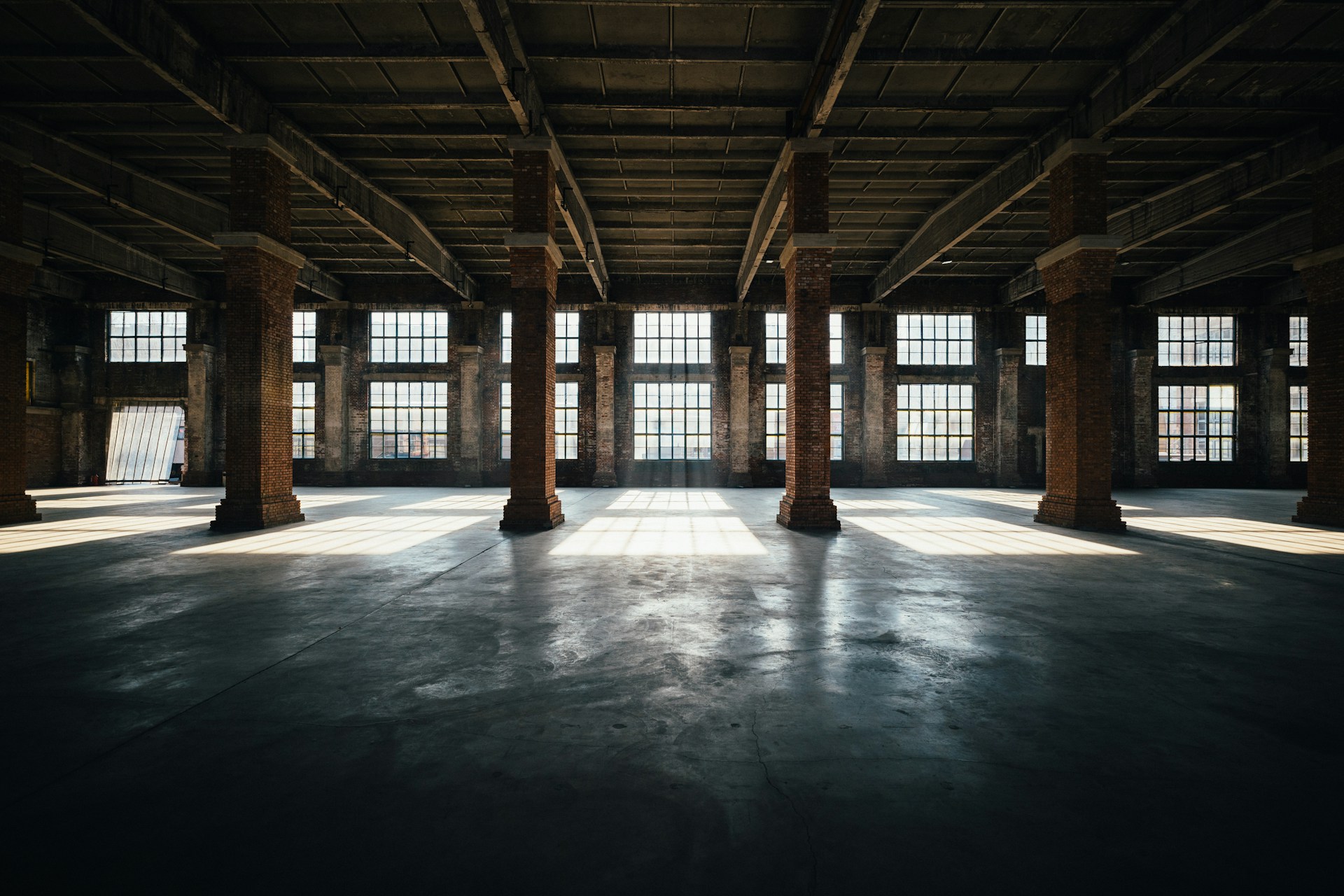
Across Devon, growing firms keep running into the same problem. They have one large industrial unit, but the work inside it needs several different conditions at once.
A single building might hold a chilled storage bay, a dusty cutting area, and a quiet packing station. Many local operators now separate these zones using Industrial curtain walls rather than pouring concrete or framing fixed partitions. The approach is faster, cheaper, and far easier to change later.
Why Do Local Firms Split One Unit Into Zones?
Most Devon business parks lease space by the square foot, so every metre counts. Dividing one unit into purpose-built zones lets a company do more without paying for a second site. Local growth stories, such as one firm's move to larger premises, show how valuable extra usable floor area can be.
Fixed walls solve the problem, but they are slow and permanent. A blockwork partition needs planning, trades, and weeks of work. If the layout changes, the wall has to be demolished. Flexible barriers avoid that lock-in.
Zoning also supports basic compliance. Temperature, dust, and noise all sit inside the Workplace (Health, Safety and Welfare) Regulations 1992. A clearly separated layout makes it simpler to keep each task area within sensible limits.
How Does Temperature Zoning Actually Work?
Temperature zoning means keeping one part of a unit warmer or cooler than the rest. A heavy insulated curtain creates a thermal break across an open span, holding conditioned air on one side.
The savings come from heating less air. Consider a typical example:
- Measure the working zone. Identify the area that genuinely needs heating or cooling, such as a 200 square metre packing bay inside a 1,000 square metre unit.
- Hang a thermal barrier. A floor-to-ceiling curtain wall closes off that bay from the rest of the floor.
- Condition only that space. Heaters now warm 200 square metres instead of 1,000, cutting energy demand sharply.
- Move the barrier later. When the bay needs to grow or shrink, the curtain track is repositioned in hours.
The Health and Safety Executive sets no fixed maximum workplace temperature. It does advise a minimum of 16 degrees Celsius for most indoor work, dropping to 13 degrees for physical tasks. Those figures appear in its workplace temperature guidance for employers. Keeping a smaller zone within that band is easier and cheaper than heating a whole shed.
What About Dust, Noise, and Cross-Contamination?
Beyond temperature, separated zones contain the mess that one process creates. A cutting bay throws dust and noise that can drift across an open floor and reach staff who never go near the machine.
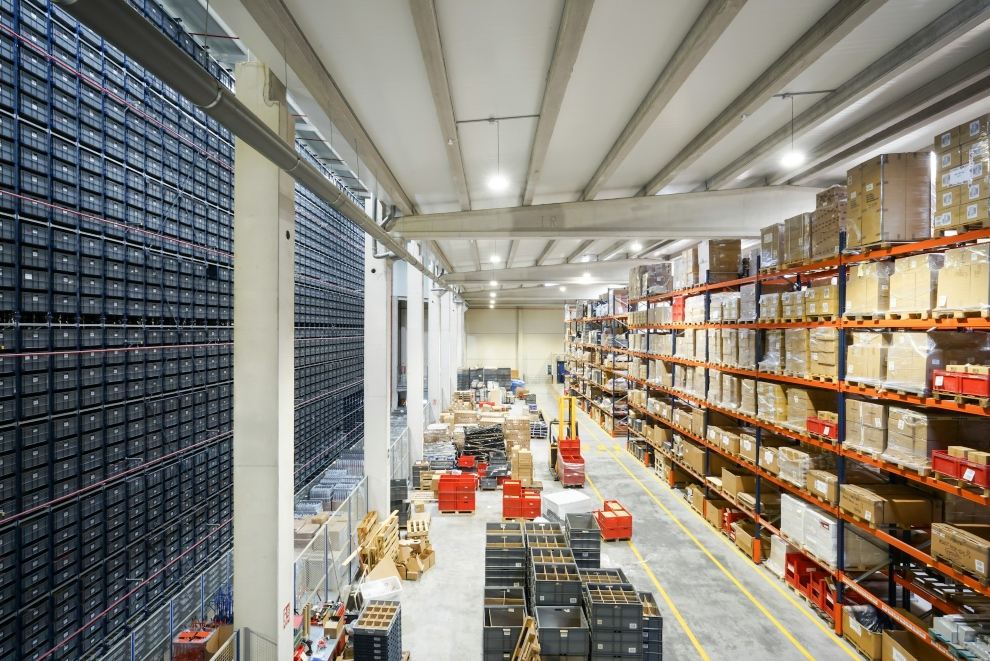
A curtain partition slows that spread. PVC barriers do not make a room airtight, yet they cut airborne drift and dampen sound between bays. That keeps a packing station cleaner and quieter while heavy work continues nearby.
Cross-contamination is the other risk a barrier reduces. A timber workshop next to a food-prep area is a clear example. Sawdust must not reach the clean zone. A floor-to-ceiling curtain creates a visible line between the two tasks.
Staff can then see exactly where one zone ends and the next begins. That clarity also helps with cleaning schedules and routine audits.
Fire performance matters when barriers hang near machinery or welding. Reputable industrial PVC is tested against recognised standards. EN 13501-1 is the European fire classification system, while BS 7837 covers the fire retardancy of PVC sheeting used in temporary buildings and screens. Welding bays often specify BS 5867 Part 2 Type B fabric. Buyers should confirm these ratings in writing before installation.
AKON Curtains is a UK distributor of industrial PVC curtains, curtain walls, and welding screens. The business draws on its US parent group's track record and roughly 15 years of industrial PVC specifier expertise. That depth helps a firm match the right fabric grade to each zone.
When Are Curtain Walls the Wrong Choice?
Curtain walls suit many layouts, but not every one. They are best where a barrier needs to move, breathe slightly, or come down without disruption. A growing firm rarely knows its exact layout two years ahead. A movable barrier matches that uncertainty far better than poured concrete.
A few situations call for something more solid:
- Sterile or food-grade rooms that need a fully sealed, wipe-clean envelope.
- High-security stores where a soft barrier offers little physical resistance.
- Permanent offices that require fixed acoustic and fire-rated walls for staff welfare.
For everything between those extremes, a flexible curtain wall usually wins on cost and speed. Even firms building new production space in Plymouth often add soft zoning inside a solid shell.
Gov.uk sets out the legal duties on workplace conditions, including temperature, in its summary of workplace temperature rules. A movable barrier helps a Devon business meet those duties while keeping its options open.
Points Worth Remembering
- One large unit can hold several zones without any fixed building work.
- Heating a 200 square metre bay instead of 1,000 square metres cuts energy use sharply.
- The 16 degree minimum from HSE applies to most indoor workplaces.
- PVC barriers reduce dust drift and noise, though they are not airtight.
- Fire ratings such as EN 13501-1, BS 7837, and BS 5867 Part 2 Type B should be confirmed in writing.
- Sealed, secure, or permanent rooms still need solid walls.
Making the Most of One Unit
Devon firms rarely need more floor space. They need the floor they already have to do more jobs at once. Flexible zoning turns a single shed into a multi-purpose site without the cost of a build. For most growing operators, that flexibility is the whole point.
FAQ
How Quickly Can an Industrial Curtain Wall Be Installed?
Most single-bay partitions go up in a day, since the track fixes to existing roof steel or wall fixings. There is no curing time, so the zone is usable almost immediately. Larger multi-bay layouts may take a little longer to fit and tension correctly.
Will a Curtain Wall Keep One Zone Fully Airtight?
No. PVC curtain walls slow air movement and hold conditioned air, but they are not a sealed barrier. For temperature zoning and dust reduction this is usually enough. Fully sealed rooms still need solid construction and proper door seals.
Are Industrial PVC Curtains Fire-Safe Near Machinery?
They can be, provided the fabric carries the right rating. Look for products tested to EN 13501-1 or BS 7837, and BS 5867 Part 2 Type B for welding screens. Always confirm the certification in writing before buying or installing them.
Can a Curtain Layout Be Changed After Installation?
Yes, and that is a key advantage. The track can be extended, shortened, or repositioned as the business changes. This makes curtain walls far easier to adapt than fixed partitions built from block or stud.