





Devon water research project secures slice of £1.5m grant from Ofwat’s Water Innovation Fund
Devon Environment Foundation (DEF) is delighted to announce that Flete Field Lab, one of the projects it supports, is to receive significant funding from Ofwat’s Water Innovation Fund.
The overall award of £1.5m was made to a partnership led by Anglian Water who are exploring tackling pollution through nature-based solutions. Flete Field Lab, based near Yealmpton, will receive funding of just over £300,000 over the next 18 months to expand its groundbreaking research into the use of fungi to clean river pollution.
Shelley Castle from Flete Field Lab said, “We are proud to be part of a successful OfWat bid with a diverse range of collaborators attached. The project is at an early stage with partnership agreements still being finalised, and we will share more about our specific role and the research programme as that work develops”.
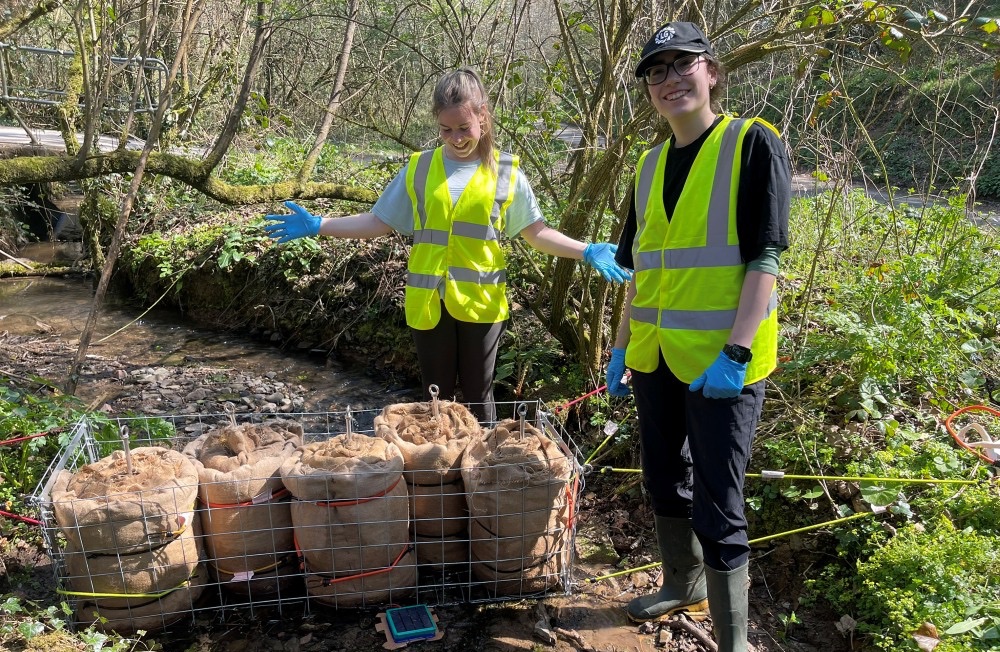
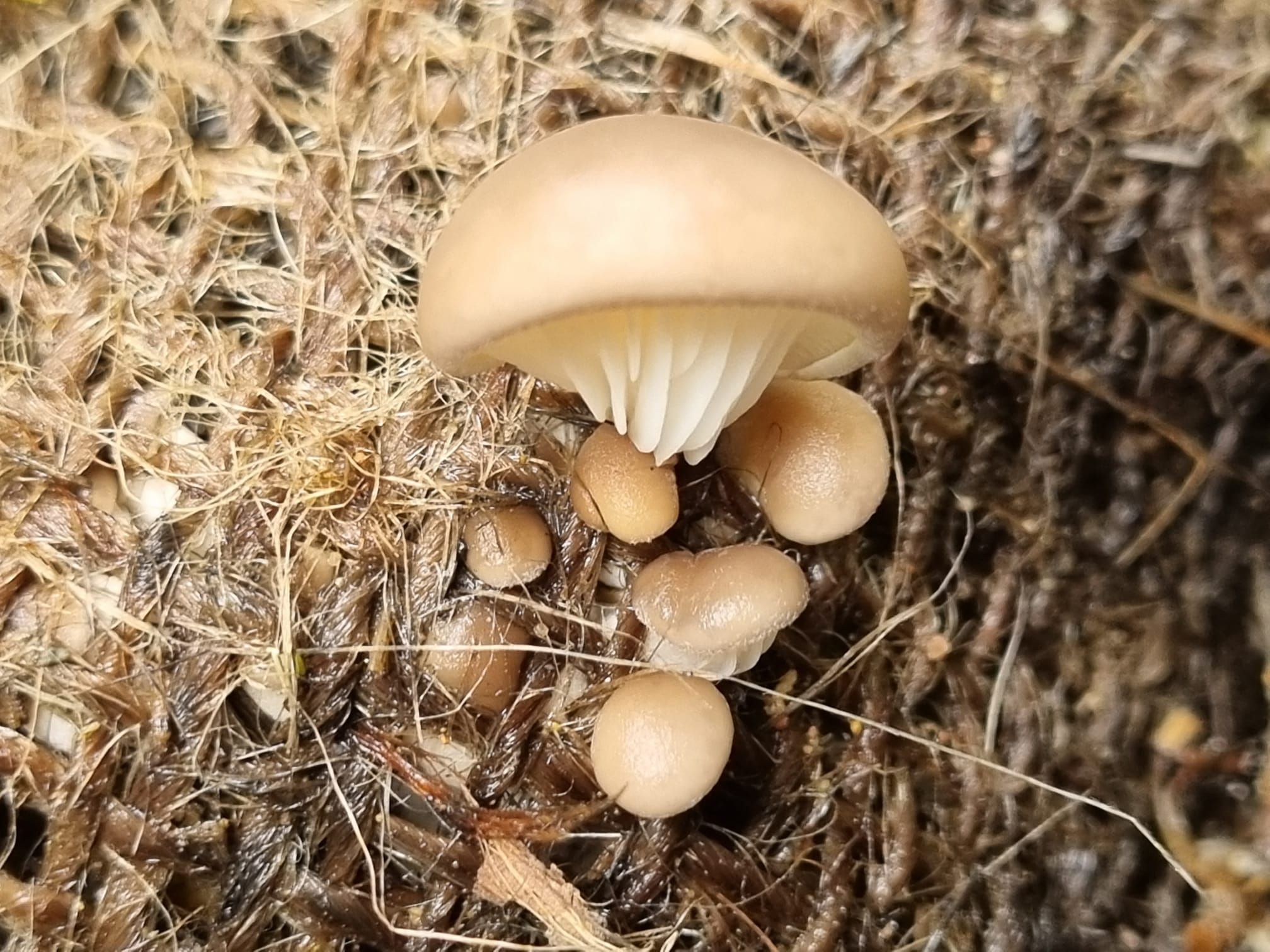
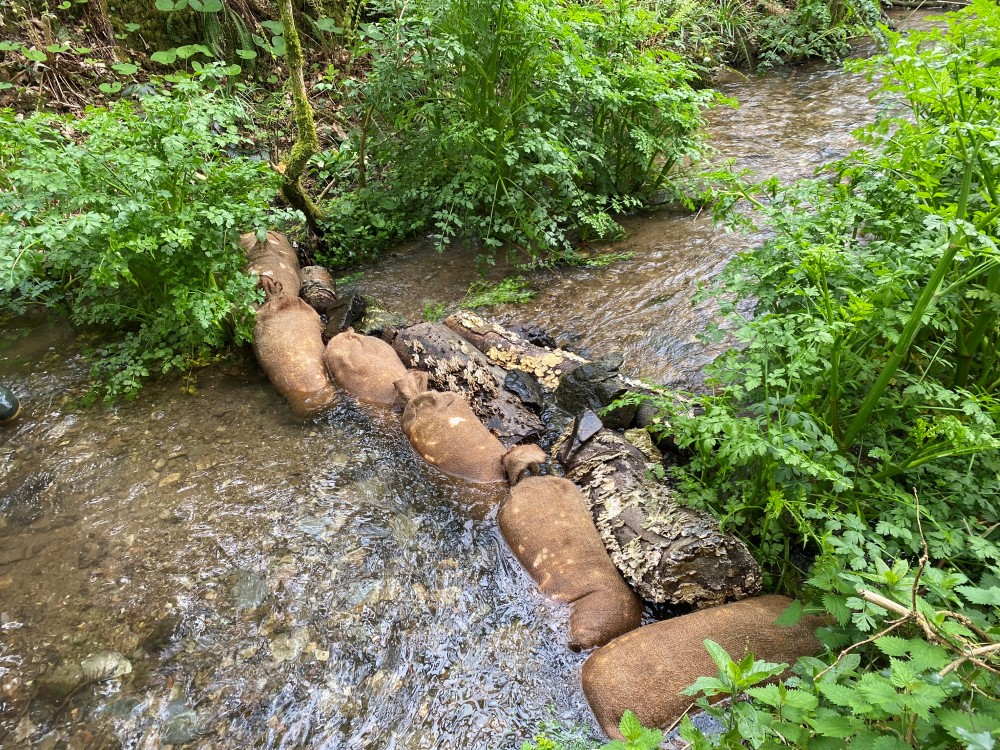
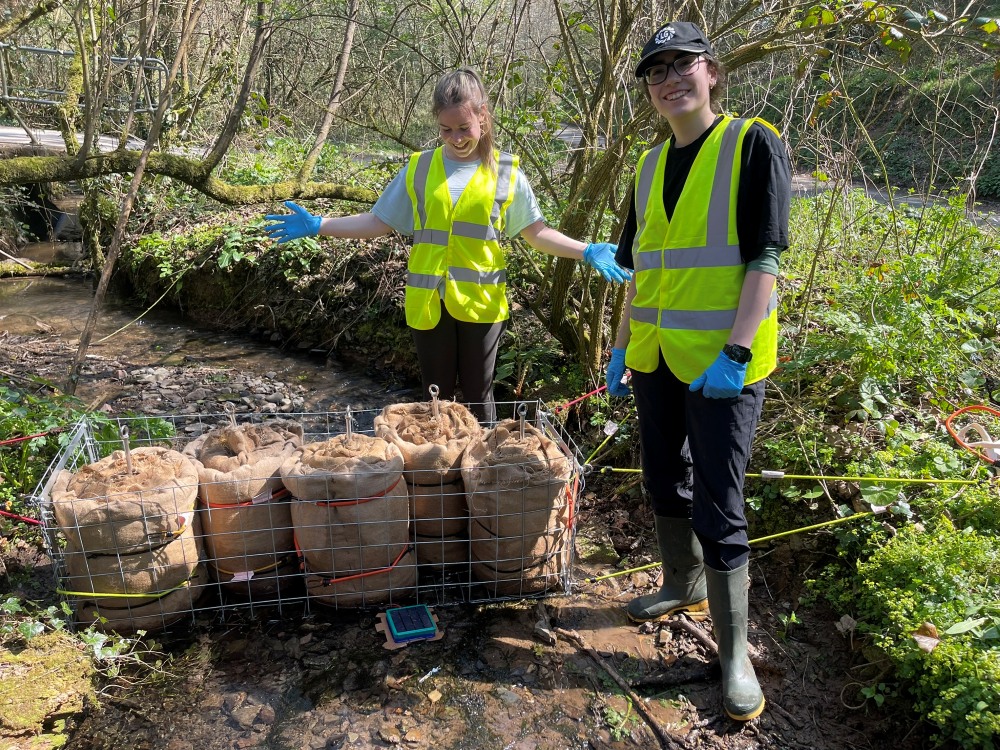
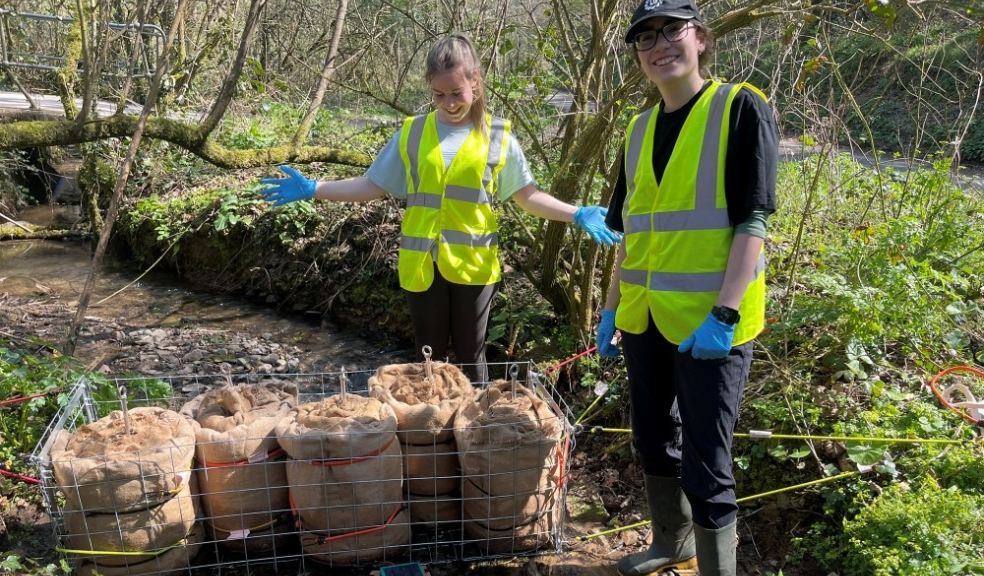
Flete Field Lab has been running field-scale trials in the UK to understand how mycelium performs in real conditions, what the challenges are, and what the potential might be. The research explores how fungal mycelium can act as a natural filter, removing harmful pollutants from sewage outlets and agricultural run-off before they reach waterways. The process, known as mycofiltration, could have some potentially helpful applications for the water sector.
DEF began supporting Flete Field Lab in 2021, attracted by the potential of the project to develop low cost, low tech solutions that can be used by landowners and communities to restore their local river environments.
In the five years since, DEF has awarded the project around £58,000 in grants and helped secure a further £60,000 from other funders, helping Flete Field Lab grow from a promising idea into a nationally recognised centre of environmental innovation.
DEF also supported Flete Field Lab’s biochar programme. Biochar, a form of wood-based charcoal, is a natural fertiliser that enhances soil quality and water retention, sequesters carbon, and reduces the run-off and water pollutants that flow into rivers. DEF provided capital funding to enable the team to purchase of a larger biochar kiln and prototype a biochar crusher, enabling production to be significantly scaled up.
The Ofwat Water Innovation Fund award is a major validation of the science underpinning Flete Field Lab’s work and the strategic vision that DEF backed from the outset. The £300,000 share of the award will set the project firmly on its next stage of development, enabling the team to scale up its research, build evidence, and pursue long-term sustainability.
DEF’s co-founder and chair, Simon Nicholls, CEO of Olympus Power said: “We couldn’t be prouder of Flete Field Lab. We believed in them from the very beginning and were delighted to support with grants channelled through DEF for their mycelium work, with Olympus Power directly funding their biochar kiln and a bespoke charcoal crusher using local firm, Devon Engineering. We have followed and supported Frank and Shelley’s work discovering nature-based solutions on land which have pioneered profound soil remediation alongside a low-tech, low-cost river pollution prevention that will be open sourced for all.
“This award is a powerful testament to what early-stage seed funding can unlock. We’re thrilled to see Flete Field Lab stepping confidently into their next chapter, and we’re certain this simple scalable nature remediation system will save farmers money by reducing annual costly inputs, while promoting biodiversity, and reducing run-off in riparian environments across the UK.”
Flete Field Lab’s co-founder, Shelley Castle added: “Our approach is unconventional, so it took a bold and visionary funder to recognise the potential of our work. DEF is that funder, and we are incredibly grateful for their support over the past five years, which brought us to this moment. Thank you for believing in our vision and making this exciting work possible.”