





How Much Does a Drone Roof Inspection Cost?
For commercial property owners and investors, maintaining a building's roof is essential for protecting asset value, avoiding unexpected repair costs, and meeting ongoing maintenance obligations. Yet roof inspections have traditionally been expensive, disruptive, and sometimes risky to carry out.
Drone technology has changed that. By providing high-resolution aerial imagery, thermal scanning capabilities, and rapid access to hard-to-reach areas, drone roof inspections offer a faster and often more cost-effective alternative to conventional inspection methods.
But how much does a drone roof inspection cost, and what factors influence the final price?
In this guide, we'll break down typical drone roof inspection costs in the UK, explain what affects pricing, and help commercial property owners understand whether a drone survey represents good value for their portfolio.
What Is a Drone Roof Inspection?
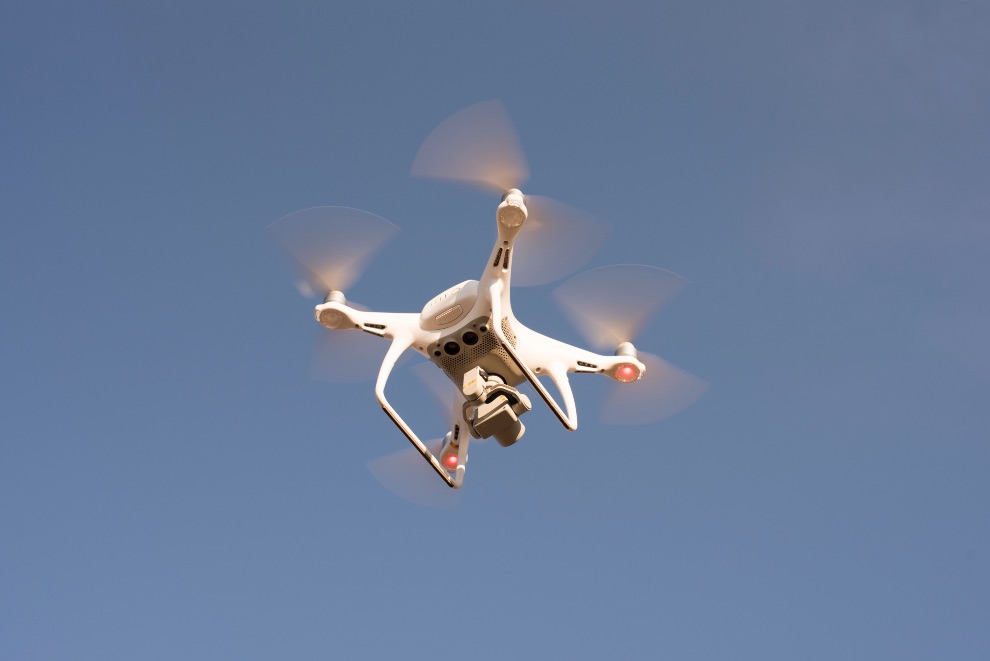
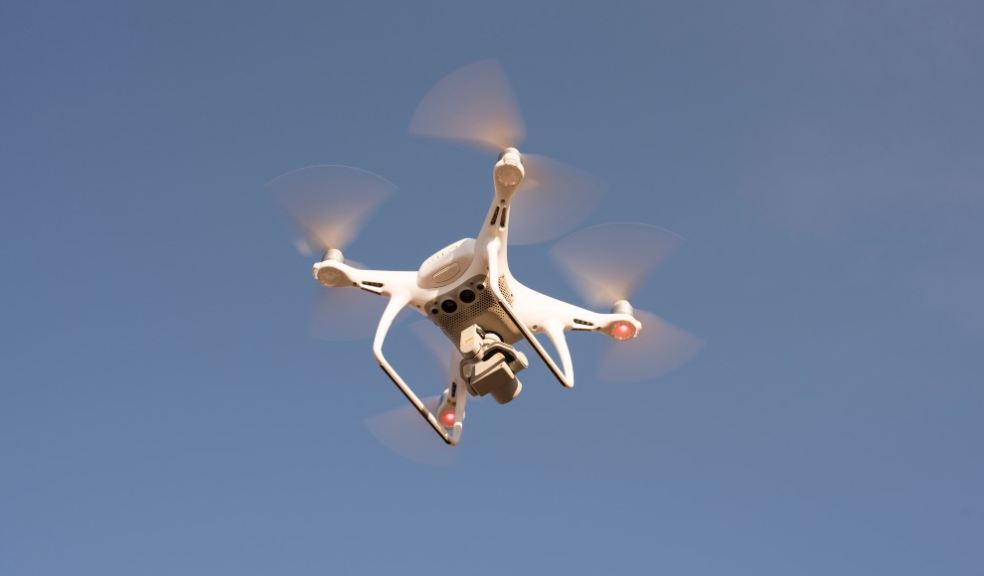
A drone roof inspection uses an unmanned aerial vehicle (UAV) equipped with cameras and, in some cases, thermal imaging sensors to assess the condition of a building's roof.
The drone captures detailed images and video footage of roofing materials, drainage systems, flashing, gutters, plant equipment, skylights, and other rooftop assets. The collected data is then reviewed by qualified surveyors or inspection specialists who identify defects, deterioration, maintenance requirements, and potential risks.
Drone inspections are increasingly used across:
- Office buildings
- Retail parks
- Industrial facilities
- Warehouses
- Distribution centres
- Healthcare buildings
- Educational campuses
- Multi-let commercial properties
- Investment portfolios
For many commercial assets, drones provide a practical way to inspect roofs without the need for scaffolding, cherry pickers, or extensive site disruption.
Typical Drone Roof Inspection Costs in the UK
The cost of a drone roof inspection can vary significantly depending on the size, complexity, and location of the property.
As a general guide, commercial property owners can expect the following price ranges:
|
Property Type |
Typical Cost |
|
Small commercial building |
£250 - £600 |
|
Medium commercial property |
£600 - £1,200 |
|
Large industrial or retail facility |
£1,200 - £3,000+ |
|
Multi-building sites or portfolios |
£2,000 - £10,000+ |
These figures are intended as indicative ranges. Some inspections may fall outside these estimates depending on the scope of work and reporting requirements.
For example, a simple visual inspection of a small office building may cost only a few hundred pounds, whereas a detailed condition survey involving thermal imaging across multiple industrial units could cost several thousand pounds.
Factors That Affect Drone Roof Inspection Costs
Several variables influence the overall cost of a drone roof survey.
Property Size
The larger the roof area, the more flight time, data capture, and analysis are required.
A small standalone building can often be surveyed in less than an hour, while large distribution centres or manufacturing facilities may require multiple flights and extensive post-processing.
As roof size increases, inspection costs typically rise accordingly.
Roof Complexity
Not all roofs are equally straightforward to inspect.
Factors that increase complexity include:
- Multiple roof levels
- Plant equipment and HVAC installations
- Solar panels
- Complex drainage systems
- Roof lights and skylights
- Steep pitches
- Architectural features
More complex roofs require additional flight planning and detailed analysis, which can affect pricing.
Location
Property location can influence costs in several ways.
Urban environments may require additional flight permissions, airspace assessments, and safety planning. Sites located near airports, sensitive infrastructure, or controlled airspace often involve additional administrative work.
Remote locations may also incur travel expenses, particularly for specialist survey providers.
Reporting Requirements
The level of detail required in the final report has a significant impact on cost.
Basic inspections may simply provide photographs and observations. More comprehensive reports often include:
- Defect identification
- Maintenance recommendations
- Risk assessments
- Annotated imagery
- Condition grading
- Repair prioritisation
The more detailed the reporting requirement, the greater the time commitment involved after the site visit.
Thermal Imaging Surveys
Many commercial clients choose to include thermal imaging as part of the inspection.
Thermal cameras can help identify:
- Water ingress
- Moisture trapped within roofing systems
- Insulation deficiencies
- Heat loss
- Building envelope issues
Thermal surveys require specialist equipment and expertise, which typically increases the inspection cost.
However, the additional information can often help identify problems before they develop into expensive repairs.
Multiple Buildings
Property investors with multiple assets often benefit from economies of scale.
Survey providers can usually reduce the per-building cost when inspecting several properties during the same mobilisation.
For portfolio owners, this can make drone inspections particularly attractive as part of a planned asset management strategy.
Why Drone Inspections Are Often Cheaper Than Traditional Methods
One of the primary reasons commercial property owners choose drone inspections is cost efficiency.
Traditional roof inspections frequently require:
- Scaffolding
- Mobile elevated work platforms (MEWPs)
- Cherry pickers
- Access towers
- Temporary traffic management
- Additional personnel
These access arrangements can quickly increase project costs.
Drone surveys eliminate much of this expense while providing comprehensive visual coverage of the roof surface.
For larger buildings, the savings can be substantial.
A traditional inspection requiring access equipment may cost several thousand pounds more than a drone-based alternative, particularly where access is difficult.
Additional Benefits Beyond Cost
While cost savings are important, drones offer several other advantages that appeal to commercial property owners and investors.
Reduced Disruption
Many commercial properties operate continuously throughout the day.
Warehouses, offices, retail units, and industrial facilities often need to remain fully operational during inspections.
Drone surveys can typically be completed with minimal disruption to tenants, staff, customers, and site operations.
Improved Safety
Health and safety remains a key consideration for any property inspection.
Traditional roof access often exposes personnel to risks associated with working at heights. Drone inspections allow surveyors to collect detailed information while remaining safely on the ground, significantly reducing exposure to potential hazards.
Faster Results
A roof that might take days to inspect using conventional methods can often be surveyed in a matter of hours using drone technology.
This speed is particularly valuable when:
- Acquiring new assets
- Investigating storm damage
- Responding to tenant concerns
- Assessing insurance claims
- Planning maintenance programmes
Faster inspections can support quicker decision-making and reduce delays.
Better Documentation
Modern drones capture exceptionally detailed imagery.
High-resolution photographs provide a permanent visual record of roof condition at a specific point in time.
This documentation can support:
- Maintenance planning
- Capital expenditure forecasting
- Insurance discussions
- Dilapidations assessments
- Lease negotiations
- Asset management strategies
Many owners find that the resulting visual evidence delivers value long after the inspection itself has been completed.
When Is a Drone Roof Inspection Worth the Investment?
For most commercial properties, drone inspections provide excellent value when used strategically.
Common situations where drone surveys are particularly beneficial include:
Pre-Purchase Due Diligence
Investors acquiring commercial assets need an accurate understanding of building condition.
Roof defects can represent significant liabilities, particularly on large industrial or retail properties.
A drone inspection can help identify issues before purchase, allowing buyers to negotiate pricing or plan future expenditure.
Planned Preventative Maintenance
Regular inspections allow property owners to identify emerging issues before they escalate into major failures.
Small defects such as damaged flashing, blocked gutters, or isolated membrane deterioration can often be repaired relatively inexpensively when detected early.
Post-Storm Assessments
Severe weather can cause significant roofing damage.
Drone surveys provide a fast and safe method of assessing storm impacts without requiring immediate roof access.
Insurance Requirements
Some insurers request evidence of roof condition, particularly for older commercial buildings.
Detailed drone reports can help support insurance applications, renewals, and claims processes.
What Should Be Included in a Professional Drone Roof Inspection?
When comparing quotations, it's important to understand exactly what is included.
A professional drone roof inspection should typically provide:
- Pre-flight planning and risk assessment
- Qualified drone operator
- High-resolution imagery
- Roof condition assessment
- Defect identification
- Digital report
- Recommendations for remedial works where appropriate
Depending on the provider, additional services may also be available.
Some surveyors integrate drone data with broader property assessments, while others can combine roof inspections with services such as a measured building survey to create a more comprehensive understanding of the asset.
Understanding the scope of deliverables helps ensure accurate cost comparisons between providers.
Choosing the Right Drone Survey Provider
Price should not be the only factor when selecting a drone inspection company.
Commercial property owners should also consider:
- Experience with commercial assets
- Industry qualifications
- Insurance coverage
- Surveying expertise
- Reporting quality
- Thermal imaging capabilities
- Regulatory compliance
A low-cost inspection may not provide the level of analysis needed to support investment decisions or maintenance planning.
Choosing an experienced provider with a strong understanding of commercial property can often deliver greater long-term value.
Final Thoughts
The cost of a drone roof inspection in the UK typically ranges from around £250 for smaller commercial buildings to several thousand pounds for large industrial sites and complex portfolios.
While pricing varies according to property size, complexity, location, and reporting requirements, drone inspections are often considerably more cost-effective than traditional access-based surveys.
For commercial property owners and investors, the combination of lower costs, improved safety, reduced disruption, and high-quality data makes drone roof inspections an increasingly attractive option.
Whether you're assessing a prospective acquisition, managing a portfolio, planning maintenance expenditure, or responding to potential roof defects, a professional drone survey can provide valuable insights while helping protect the long-term performance of your property assets.