





How Marine Business Insurance Protects Coastal Enterprises
Coastal businesses face a different kind of risk. You deal with tides, storms, salt exposure, and shifting regulations. One rough season can disrupt everything you’ve built. That’s why protection isn't optional. It’s essential.
Marine business insurance gives you that protection. It shields your operations from financial shocks tied to the sea. More importantly, it lets you focus on growth instead of constant risk management. Now let’s explore how it actually works and why it matters to you.
The Scope of Marine Business Insurance
Marine business insurance covers more than just ships. It protects goods, equipment, and liabilities tied to maritime operations. Whether you run a fishing venture, shipping company, or coastal tourism business, this coverage adapts to your needs. To understand how it works in practice, consider the three core types of protection most coastal enterprises rely on:
- Cargo insurance: Protects goods in transit against loss, damage, or delays.
- Hull insurance: Covers physical damage to vessels, from minor repairs to major incidents.
- Liability insurance: Handles claims from third parties, including legal fees and compensation costs.
Together, these policies form a safety net that stabilizes operations and reduces financial shocks. Experienced providers such as Trident Insurance help structure these policies in ways that reflect the realities of coastal enterprises, offering coverage that can be matched to the scale and nature of your operations.
Protecting Against Natural Hazards
One of the greatest challenges coastal businesses face is the unpredictability of nature. Storm surges, typhoons, and coastal flooding can strike without warning. These events can damage vessels, destroy inventory, and force work to stop overnight.
Marine insurance helps you recover faster. It covers repair costs, replacement of damaged goods, and even some loss of income. This support keeps your business afloat when conditions turn against you. Instead of starting from scratch, you rebuild with strength.
Safeguarding Your Cargo in Transit
Transporting goods over water comes with risks. Rough seas, accidents, and piracy can lead to losses. Even minor delays can affect product quality, especially for perishable goods.
Cargo insurance steps in here. It ensures that your goods remain financially protected from departure to delivery. If something goes wrong, you won’t bear the full loss. That stability helps you maintain strong relationships with clients and suppliers.
Managing Liability Risks
You don’t just face physical risks. Legal risks can also arise. A damaged shipment, an injured worker, or an environmental incident can lead to costly claims. These situations can quickly escalate if you’re unprepared.
Liability cover protects you from these exposures. It handles legal fees, settlements, and compensation costs. More importantly, it preserves your business reputation. Clients and partners trust businesses that can respond responsibly to issues.
Supporting Operational Continuity
Unexpected disruptions can stop your operations. A damaged vessel or lost shipment can delay projects and reduce revenue. Marine insurance helps keep things steady by covering repair costs and, with business interruption cover, bridging gaps when downtime hits.
That means you can pay staff, meet obligations, and stay on track even when challenges arise. Instead of scrambling to recover, you continue serving clients without losing momentum.
Enhancing Financial Stability
Running a coastal enterprise often involves high investment. Vessels, equipment, and infrastructure require significant capital. A single loss can strain your finances if you’re not protected.
Insurance spreads that risk. Instead of absorbing a large financial hit, you share it with your insurer. This stability helps you plan long term while improving your credibility with lenders and investors, who value businesses that manage risk well.
Adapting to Industry-Specific Needs
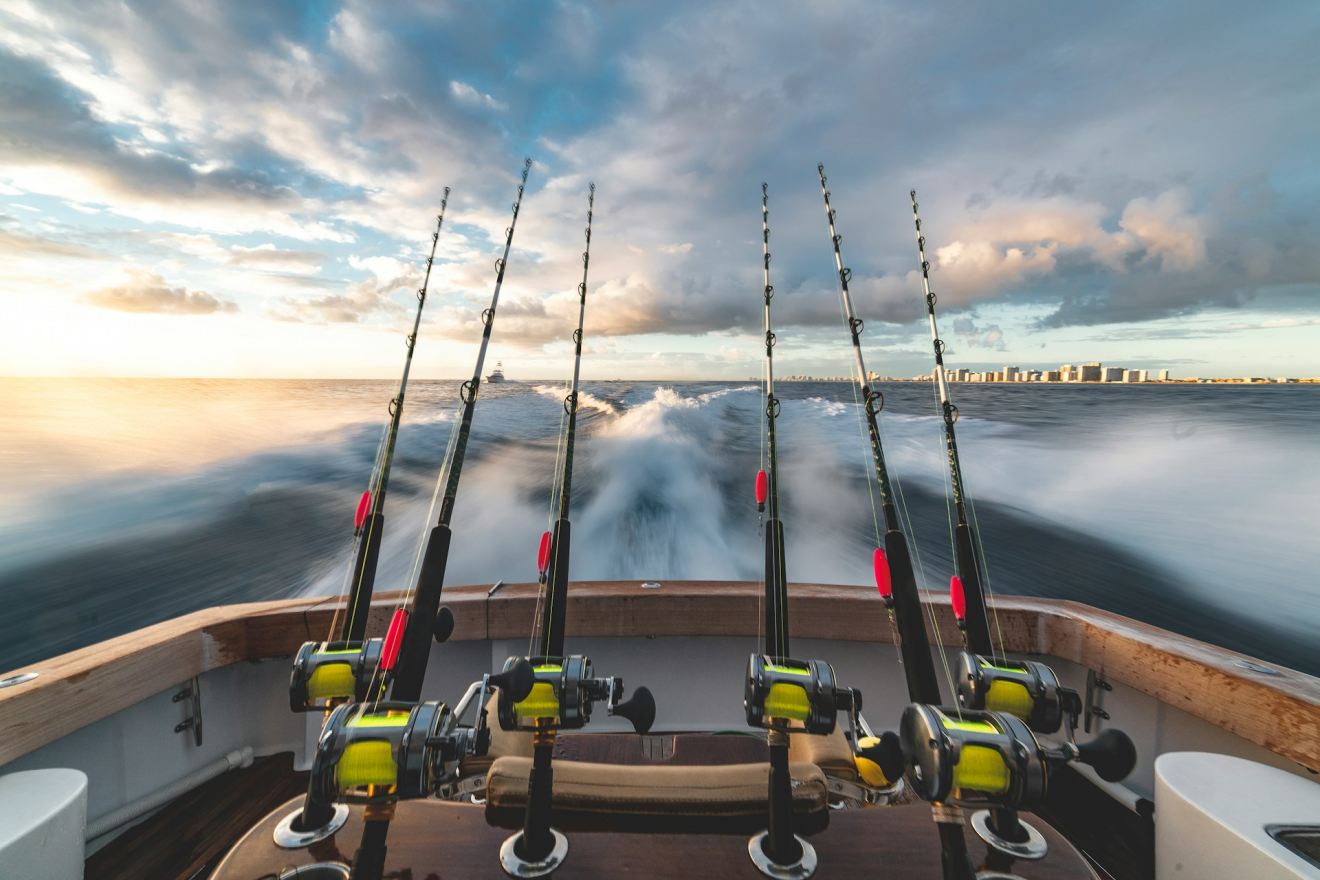
Every coastal business operates differently. A fishing enterprise faces different risks than a marine contractor. A fishing business, for instance, may need coverage for catch spoilage, crew safety, and equipment at sea. By contrast, marine contractors often require protection for specialized equipment, project delays, and third‑party claims that can arise during construction near water.
That’s why marine insurance is flexible. You can tailor coverage to match your operations. You choose the level of protection, the risks included, and the limits that suit your scale. This adaptability ensures you’re not overpaying or underinsured, while giving you assurance that the coverage reflects the specific demands of your industry.
Meeting Regulatory Requirements
Marine industries operate under strict regulations. Authorities often require proof of insurance before granting licences or permits. Without it, you may not even be allowed to operate.
International frameworks such as those set by the International Maritime Organization (IMO), along with national maritime authorities, make liability and safety coverage mandatory for vessel operators. Having the right cover keeps you compliant and demonstrates professionalism, opening doors to new opportunities and contracts.
Building Confidence in Your Operations
Confidence matters in business. When you know you’re protected, you make better decisions. You take calculated risks, expand into new markets, and invest in growth.
Marine insurance gives you that confidence. It removes uncertainty from high-risk areas. Instead of worrying about worst-case scenarios, you focus on improving efficiency and service. That mindset drives long-term success.
Final Thoughts
Coastal enterprises operate in a dynamic environment. Risks are part of the journey, but they don’t have to control your future. With the right marine business insurance, you protect your assets, your people, and your reputation.
In the end, it’s about resilience. When challenges come, you stay prepared. When opportunities appear, you’re ready to act. That balance keeps your business moving forward, no matter what the sea brings.