




England's World Cup Shirt Is the Most Expensive in History. Here's What the Tournament Actually Costs Fans Around the World
The World Cup starts on 11 June. Across Devon, fans are already planning where they will watch, who they will watch it with, and, for many, whether to buy the shirt. That last question turns out to have a surprisingly complicated answer, depending on where you live.
New research has examined the true cost of every official home shirt across all 48 nations heading to this summer’s tournament in the United States, Canada and Mexico. The findings, examined by Bookies.com, home of the best online casinos, reveal a gap in affordability that stretches across continents.
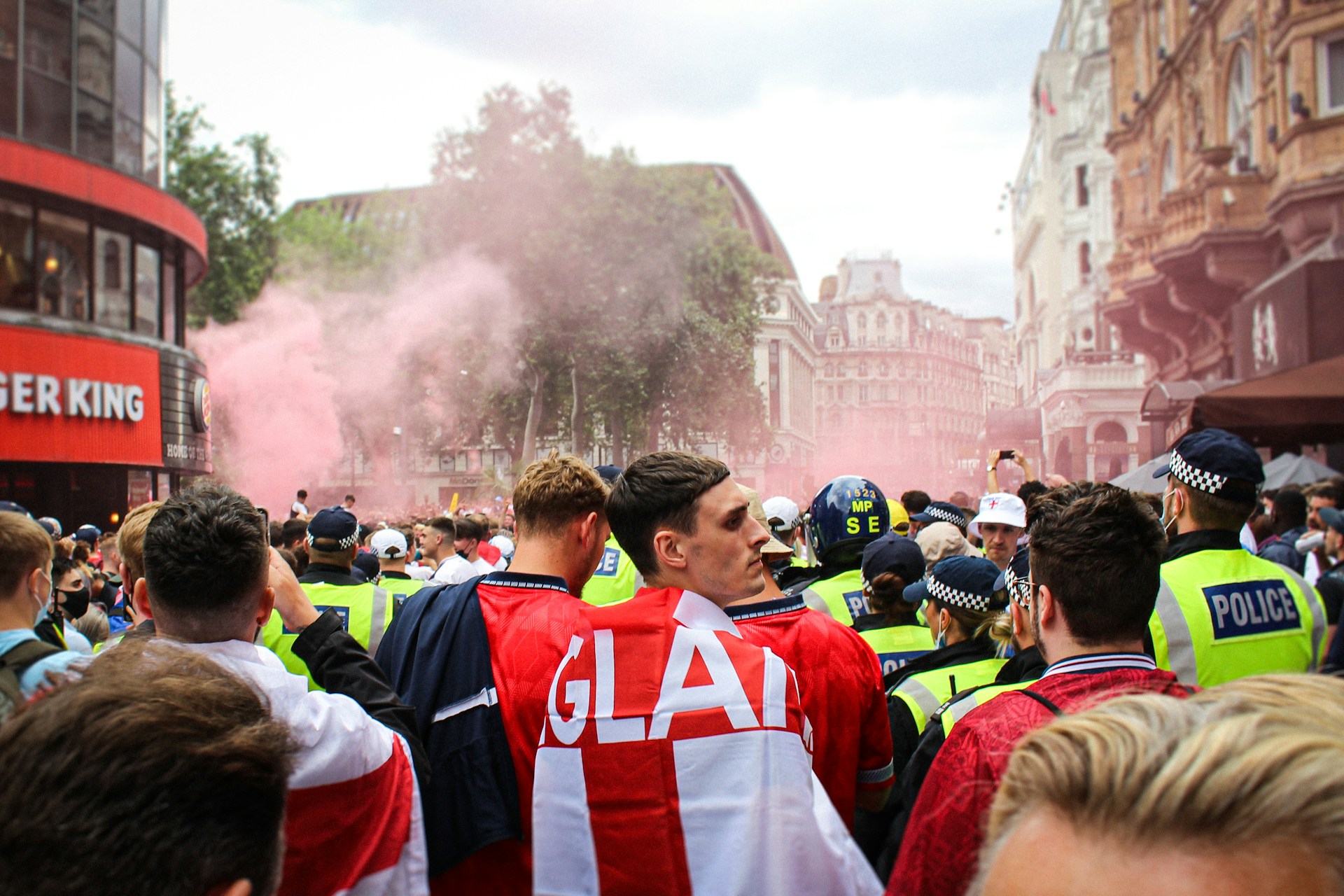
The England Shirt Has Never Cost More
England fans picking up the new Nike home kit this summer will pay PS89.99. That is the most expensive England shirt ever made, and represents a rise of roughly 20% on the Qatar 2022 equivalent, which retailed at PS74.95.
Across Nike's full 2026 roster, which covers 12 nations including France, Brazil and the United States, replica prices are up an average of 16.7% compared to four years ago. Puma, which kits out 11 nations, has raised its replica prices by 25% over the same period. Adidas, supplier to 14 countries, has increased its prices by around 13%.
The Big Three kit manufacturers, Nike, Adidas and Puma, between them supply 77% of the 48 nations at this summer's tournament. Thirteen brands in total provide the full set of kits, with smaller manufacturers including Saeta, 7Saber and Tempo selling replicas for less than half the price of a Nike shirt.
The Same Shirt, Very Different Sacrifices
The retail price of a shirt is only part of the story. Once local wages are factored in, the picture changes quickly and starkly.
In Switzerland, fans pay roughly 1.4% of an average monthly wage for a replica shirt. In the United States, the figure is around 1.5%. In Norway, it sits at approximately 2%. For those supporters, buying the shirt is broadly comparable to the cost of a round of drinks.
At the other end of the index, the picture is very different. In DR Congo, the official Umbro replica works out at around 130% of an average formal-sector monthly wage. That is not a percentage of disposable income; it is more than a full month's pay for a single shirt. In Egypt, following recent currency devaluation, the Puma kit accounts for roughly 50% of average monthly earnings. Ghana and Senegal both clear 30% of a monthly wage. Across the African nations in the tournament, seven of the 10 least affordable shirts in the index sit on the continent.
The gap between the most and least affordable shirt in the full index stretches to more than 90 times, measured in working days.
Why the Price Keeps Rising
The major manufacturers set broadly similar retail prices worldwide. A Nike kit on the shelf in Plymouth costs roughly what it costs in New York. The key variable is not the sticker price but the wage it is measured against. In wealthier nations, that number barely registers. In lower-income countries, it represents a significant financial decision.
The research draws on official manufacturer storefront prices from May 2026 and World Bank formal-sector wage averages from 2024. It is worth noting that in several of the lower-income countries included, the informal workforce makes up the majority of earners, meaning the real cost in actual take-home pay is likely higher than the formal-sector figures suggest.
What This Means for Fans at Home
For Devon supporters who want to enjoy the tournament without the PS89.99 outlay on a new shirt, the summer’s entertainment options extend well beyond the replica kit. England’s group stage games kick off at 9pm and 10pm BST, which means long evenings with plenty of time to fill. Whether it is a half-time game of cards, a flutter on the result, or a late-night slot session once the final whistle has blown, the options for keeping the atmosphere going at home are wider than ever.
England face Croatia on 17 June, Ghana on 23 June, and Panama on 27 June, with all three group games broadcast free on ITV and BBC. If the Three Lions progress through the group stage, the knockout rounds begin from 1 July.
The shirt might cost more than ever. The football, at least, is still free.