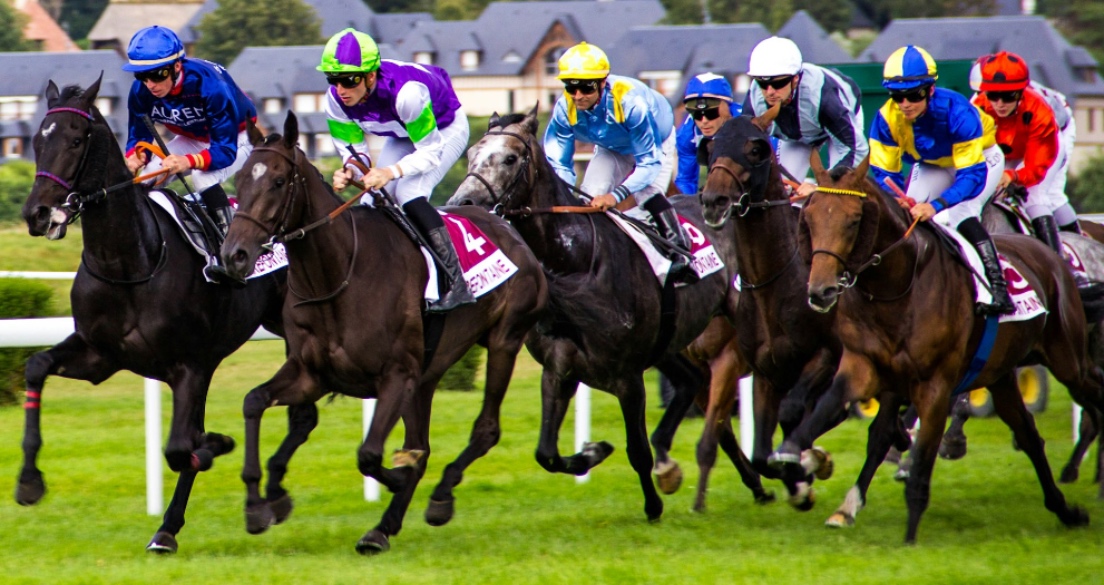






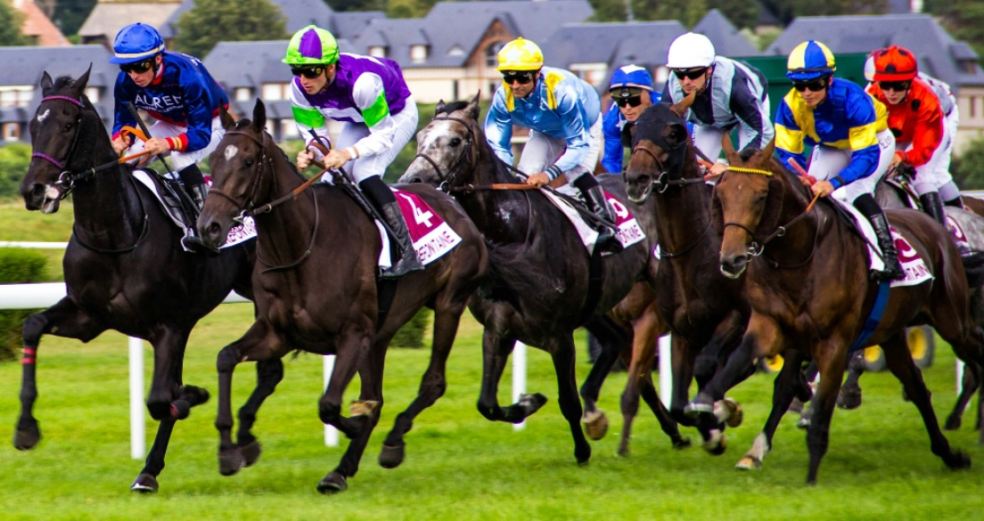
James Bowen shines at Cheltenham
Welsh jockey James Bowen has long viewed the Cheltenham Festival as a testing stage rather than a triumphant one. For much of his career, the sport’s most prestigious meeting brought more frustration than fulfilment, with the rider often leaving Gloucestershire feeling on the fringes of racing’s biggest occasion.
That narrative shifted this year. Two victories in the opening days of the Festival provided Bowen with a breakthrough he had pursued for years, turning a history of disappointment into one of the most rewarding weeks of his professional life.
Speaking to the Racing TV free bets team, Bowen reflected on how those successes reshaped his experience of the meeting. He admitted that previous visits to Cheltenham had frequently left him questioning his place among the sport’s elite, particularly after spells on the sidelines due to injury or suspension.
In earlier years, the Festival had rarely delivered the opportunities he craved. For a jockey accustomed to regular winners throughout the season, arriving at Cheltenham without strong rides could feel isolating. The scale of the event, combined with intense competition, often meant that even capable riders struggled to make a meaningful impact.
Bowen was candid about those challenges. He acknowledged that, on more than one occasion, he had left the Festival feeling like a peripheral figure rather than an active contender. The contrast between expectation and reality made Cheltenham a difficult environment to embrace.
In the days leading up to this year’s meeting, he even considered skipping it altogether. Bowen revealed that he had discussed alternative plans with his agent, suggesting he might seek rides at other tracks where his chances of securing winners appeared stronger. Meetings such as Doncaster were under consideration as he weighed his options.
However, circumstances and ultimately opportunity persuaded him to remain at Cheltenham. That decision proved decisive.
On the opening day, Bowen partnered Holloway Queen to victory in the National Hunt Challenge Cup Novices’ Handicap Chase. Trained by Nicky Henderson, the mare delivered a performance that carried both professional and personal significance. Members of Bowen’s family were also involved in the race, adding a layer of importance to the occasion.
The build-up to the race had been far from straightforward. There had been uncertainty over whether Holloway Queen would even take part, largely due to concerns about ground conditions. Having previously shown a preference for softer going, she was concerned about her prospects on the quicker surface.
Even during the race itself, Bowen did not immediately sense that victory was within reach. He later suggested that only in the closing stages did he begin to believe the mare could prevail. Her accurate jumping and sustained stamina ultimately proved decisive, allowing her to maintain a strong gallop and finish with authority.
The win also reinforced Bowen’s relationship with Henderson’s Seven Barrows operation. Having ridden Holloway Queen to an emphatic success at Newbury earlier in the season, he retained the ride at Cheltenham, an opportunity for which he expressed clear gratitude. The mare’s consistency and determination have since made her a notable partner in his career.
Bowen’s success did not end there. The following day, he secured a second Festival victory aboard Jingko Blue in the BetMGM Cup Handicap Hurdle. The achievement marked a significant turning point, transforming his record at Cheltenham and altering his perception of the meeting.
Beyond the results, Bowen highlighted the psychological demands of riding at the Festival. He explained that the unique atmosphere can influence a jockey’s mindset, encouraging belief even in mounts that may not appear strong contenders on paper.
At Cheltenham, he noted, every ride can feel like a potential winner. That sense of possibility is part of what defines the Festival, but it can also lead to disappointment when expectations are not realised. Riders often find themselves oscillating between optimism and reflection as races unfold.
Bowen compared the experience to competing in other major events such as the Grand National, where even long-odds runners can inspire hope. The intensity of the occasion amplifies that belief, making each ride feel significant regardless of its perceived chances.
This year, however, that belief was rewarded. Bowen acknowledged that he arrived at the Festival with stronger opportunities than in previous seasons, and crucially, he was able to convert them into results. The combination of preparation, opportunity and execution aligned at the right moment.
The impact of those victories extends beyond immediate success. For Bowen, they represent a shift in how he approaches Cheltenham — from a meeting that once highlighted limitations to one that now reflects his capabilities.
His experience also underscores the broader realities of National Hunt racing. Even talented jockeys can endure prolonged periods without success at the highest level, particularly at an event as competitive as Cheltenham. Breakthrough moments, when they arrive, often carry added significance as a result.
Bowen’s journey illustrates that persistence remains a defining trait within the sport. Despite setbacks and doubts, he continued to seek opportunities and refine his craft, ultimately positioning himself to capitalise when chances emerged.
As the Festival concluded, Bowen’s perspective had clearly evolved. No longer viewing himself as an outsider, he left Cheltenham with renewed confidence and a sense of belonging among the sport’s leading figures.
For a jockey who once described himself as a “spare part” at racing’s biggest stage, the transformation has been substantial. Two victories may not define an entire career, but in Bowen’s case, they have redefined his relationship with the Festival and reaffirmed his place within it.